
Christopher Hailstone, an authority on energy management and utility security, provides a pragmatic yet visionary perspective on the complex world of aviation sustainability. With the industry facing immense pressure to decarbonize, the scaling of Sustainable Aviation Fuel (SAF) has become the centerpiece of global aviation strategy. In this discussion, he explores the widening gap between current production growth and long-term climate goals, the financial commitments of the world’s major carriers, and the shifting expectations of the traveling public.
Global SAF production is expected to rise by over 26 percent in 2026, yet many are calling this growth insufficient. How do you view the disconnect between these double-digit increases and the actual impact on the industry’s carbon footprint?
While a 26 percent jump to reach approximately 2.4 million tonnes sounds impressive on paper, it is a drop in the bucket when you look at the total fuel burn of the global fleet. We are looking at SAF meeting only 0.8 percent of global demand, which is a sobering reality for anyone hoping for a rapid transition. You can almost feel the frustration among industry leaders because, despite this notable growth, we aren’t even hitting the one percent mark for total consumption. To truly move the needle, we need to stop thinking about incremental gains and start treating SAF infrastructure like a global priority that requires a massive overhaul of how we move energy.
With airlines projected to spend $4.3 billion on SAF this year alone, what are the primary barriers preventing this investment from scaling into a more robust market?
The financial commitment of $4.3 billion is a significant start, but it highlights the immense cost premium that carriers are currently absorbing. The primary barrier is a lack of commercial viability and policy frameworks that can bridge the gap between production costs and what airlines can realistically afford while remaining operational. We are seeing a real bottleneck in the supply chain where limited momentum in fuel expansion makes it difficult for carriers to secure the volumes they need at predictable prices. This situation underscores an urgent need to accelerate investment in renewable energy to lower the cost of production for these sustainable fuels.
The latest surveys show that 89 percent of passengers want the industry to continue cutting emissions despite government inaction. How does this public sentiment influence the way airlines approach their sustainability investments?
This overwhelming support from travelers provides a vital mandate for the 370 airlines represented by IATA to keep pushing forward even when the policy environment is murky. When 66 percent of passengers say they are willing to pay higher fares to offset their footprint, it changes the internal financial calculus for these companies. It takes the “green premium” and turns it into a shared responsibility, especially since 88 percent of flyers already expect ticket prices to rise as these investments expand. Passengers are clearly favoring direct action, with 25 percent wanting to fund SAF specifically and 23 percent looking toward emissions-reduction technologies, while only 10 percent support tax-based approaches.
What specific advancements in infrastructure and policy are necessary to ensure that SAF becomes a commercially viable alternative to traditional jet fuel on a global scale?
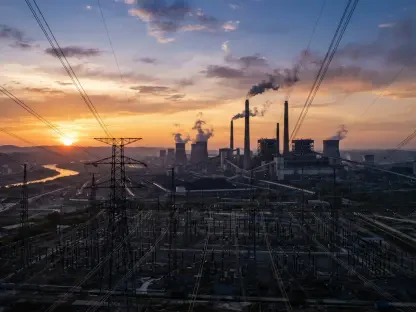
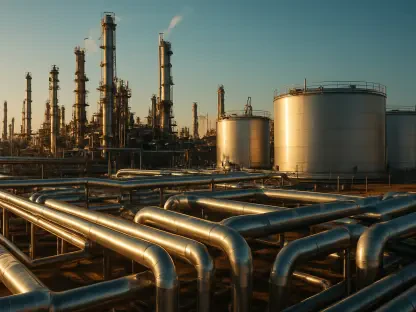
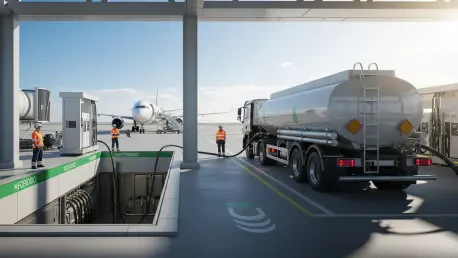
We need a total alignment of the energy grid and the fuel supply chain to make this work, which involves improving access to pipelines and airport fuel systems. It isn’t just about making the fuel in a facility; it’s about the raw logistics of getting those millions of tonnes of liquid energy into the wings of aircraft that carry 85 percent of global traffic. We need strengthened policy frameworks that don’t just punish emissions but actually incentivize the massive capital expenditure required for renewable energy availability. The goal is a global market where SAF isn’t a luxury item but a standard commodity available at every major gate across the world.
What is your forecast for the role of SAF in the aviation industry by the end of the decade?
I expect we will see a significant “supply crunch” point where demand from the world’s major carriers far outstrips the pace of new production facilities coming online. While we are currently struggling to move past the 0.8 percent demand threshold, the next few years will see a frantic race to secure renewable feedstocks as airlines try to prove they are meeting their long-term emissions targets. We will likely see SAF become a major competitive differentiator, where the airlines that secured early supply agreements will have a distinct advantage in both cost and public perception. Ultimately, the industry’s ability to scale will depend entirely on whether governments can match the ambition and financial risk-taking shown by the airlines and their passengers.