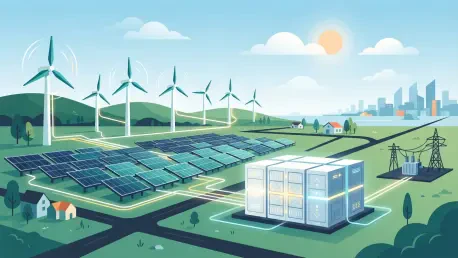

Building hybrid energy projects close to existing population hubs significantly reduces the financial burden of constructing expensive new transmission infrastructure. This strategic localization serves as the cornerstone for a massive overhaul of Kazakhstan’s national power grid, which currently faces mounting pressure from increasing demand and aging equipment. As the country navigates the challenges of 2026, the integration of solar and wind assets with advanced battery storage systems presents a pathway to energy independence that was once considered aspirational. Research indicates that these hybrid facilities can reliably satisfy between 70% and 90% of the nation’s electricity needs by leveraging the vast, untapped wind corridors that span the central steppes. Instead of relying on volatile international markets for energy imports, the government is now looking at localized generation as a means to stabilize prices and ensure that heavy industrial zones remain operational without the frequent threat of blackouts or voltage fluctuations.
Strategic Planning: Economic Advantages and Technical Design
The Strategy of Deliberate Oversizing
Central to the success of this hybrid model is the concept of “oversizing” the generation capacity relative to the average demand. By designing plants with a surplus of wind turbines and solar panels, operators can ensure a steady flow of electricity even during periods of lower resource availability. While this approach results in a planned curtailment of approximately 15% to 30% of the annual energy produced, it dramatically increases the capacity factor of the plant, making it function much like a traditional baseload power station. The cost of this setup is surprisingly competitive, hovering around $56 per megawatt-hour. When compared to the rising expenses of maintaining coal-fired plants—which now range from $70 to $170 per megawatt-hour due to fuel costs and carbon penalties—the economic argument for renewables becomes undeniable. This financial gap allows for the inclusion of modern lithium-ion or flow batteries to bridge short-term gaps without exceeding the budget of existing energy subsidies.
Geographic Proximity and Grid Integration
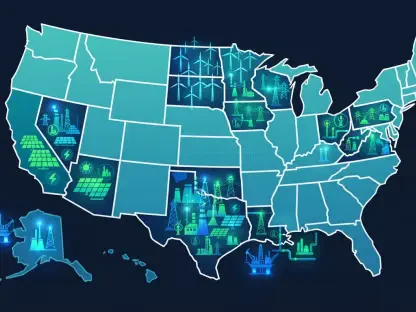
Beyond the immediate cost savings, the geographic distribution of these hybrid plants offers a logistical masterstroke for the Kazakh government. Traditional energy production in the region has long been concentrated near coal mines, requiring thousands of miles of high-voltage lines to reach the southern and western urban centers. By utilizing the widespread wind resources available across diverse latitudes, developers can place these new hybrid clusters within a few dozen miles of the cities they serve. This proximity not only slashes transmission losses but also simplifies the permitting process for new projects. As private investment flows into the sector, the focus is shifting toward creating modular energy hubs that can be expanded in phases. This iterative development allows for a more flexible grid that can adapt to the changing needs of the digital economy, supporting everything from massive data centers to the increasing electrification of public transportation systems in cities like Almaty and Astana.
Modernization Goals: Addressing Reliability and Growth
Overcoming Historical Infrastructure Failures
The urgency of this transition is underscored by the deteriorating condition of Kazakhstan’s thermal power infrastructure, which remains largely reliant on technology from the mid-20th century. In the first half of 2026 alone, the national grid recorded nearly 900 separate equipment failures, highlighting a systemic vulnerability that threatens domestic stability. Most of the coal-fired units currently in operation have surpassed 50 years of continuous service, leading to a precipitous drop in reliability and efficiency. This obsolescence has forced the nation into the uncomfortable position of being a net importer of electricity from neighboring states since 2022. By pivoting toward a decentralized hybrid model, the energy sector can move away from these failing behemoths and toward a more resilient architecture. The goal is to reach total energy self-sufficiency by 2027, a target that necessitates a rapid scale-up of renewable installations and a radical departure from the coal-centric mindset of the previous decades.
Future Outlook and Sustainable Milestones
The path forward required a decisive shift toward competitive auctioning and the standardization of hybrid plant components to accelerate deployment. Policymakers established clear incentives for private developers who integrated long-duration storage into their proposals, which effectively addressed the intermittency concerns of the national grid operator. Furthermore, the decision to prioritize local manufacturing for wind turbine components and solar mounting systems helped to build a domestic supply chain that insulated the project from global trade fluctuations. These steps ensured that the transition was not merely a replacement of generation sources, but a comprehensive economic modernization. By focusing on the synergy between different technologies and geographic locations, the energy strategy successfully bridged the gap between environmental goals and industrial necessity. This proactive stance provided a blueprint for other resource-rich nations seeking to decarbonize while maintaining a commitment to energy security and growth.