
Strategic market entries by leading global brands are bringing advanced lithium-based storage technology to Australian consumers facing rising electricity costs and instability. The traditional reliance on centralized power grids is being challenged as households seek autonomous ways to manage their energy needs. This shift is a response to compounding factors, including the high cost of living and extreme weather events that threaten standard infrastructure.
As the world transitions toward cleaner energy, the adoption of portable solar generators has moved from a niche interest to a fundamental component of residential safety. These systems provide a critical buffer against market unpredictability, offering a sense of security that fuel-burning engines cannot match. By integrating high-capacity lithium batteries with efficient panels, manufacturers have created a bridge to a more sustainable domestic future.
Global Market Growth: The Rise of Renewable Backup
The global market for renewable backup energy is currently experiencing an unprecedented surge, with valuations reflecting a massive move toward decentralized power systems. Industry reports from firms like Frost & Sullivan have documented a significant expansion in the solar generator and plug-in storage sector, which more than doubled in value between 2021 and 2025, reaching a total of approximately $2.6 billion. This growth is underpinned by a fundamental shift in consumer psychology where energy is viewed as a personal resource to be secured.
This upward trajectory shows no signs of slowing, with projections indicating the market will likely reach a valuation of $5.8 billion by 2030 as household resilience becomes a top priority. Leading brands have capitalized on these trends by prioritizing a safety-first philosophy that addresses the inherent risks of older power technologies. This strategy involves de-commodifying electricity, transforming it from a mysterious service into a tangible, manageable household asset for urban and rural residents.
Economic Volatility: Navigating the Rising Cost of Fuel
In Australia, the immediate necessity for alternative power is being driven by severe economic stressors that have made traditional energy sources increasingly untenable. Local consumers are currently navigating a landscape of extreme fuel price volatility, with regular unleaded gasoline costs reaching record highs in major metropolitan areas such as Perth. These financial pressures are part of a broader trend of unpredictability in global oil markets that directly impacts the cost of running a household.
For families who previously relied on petrol-powered generators for emergency backup, the rising cost and logistical difficulty of sourcing and storing liquid fuel have become significant burdens. This economic reality has made locally generated solar power a far more attractive and cost-effective long-term solution. By investing in solar storage, Australians are essentially locking in their energy costs and insulating themselves from the constant fluctuations of international commodity markets.
Environmental Hazards: Bushfires and Grid Vulnerability
The environmental outlook for the Australian continent has become increasingly precarious, characterized by intensified weather patterns and high-risk cycles. The current Seasonal Bushfire Outlook indicates a heightened risk of fires across multiple states, a situation that is frequently exacerbated by powerful climatic phenomena like the El Niño cycle. These conditions have repeatedly demonstrated the fragility of the centralized power grid, with extreme weather events resulting in massive outages.
Recent storms have forced major service providers to work around the clock to restore power to vast numbers of customers who were left in the dark after a single day of severe weather. These events serve as a stark reminder of the limitations of traditional infrastructure and have significantly accelerated the search for decentralized energy storage solutions. Portable solar units offer a way to operate independently of the grid during high-risk seasons, providing power when it is most critical.
Safety Innovations: Moving Beyond Hazardous Petrol Units
A primary driver behind the adoption of solar generators is the overwhelming safety advantage they offer compared to traditional internal combustion engines. For several decades, petrol-powered generators were considered the standard for emergency backup, despite numerous operational drawbacks. These units are notoriously loud, require the hazardous storage of flammable liquid fuel, and emit dangerous fumes that contain carbon monoxide, making them a significant liability in a domestic setting.
In contrast, solar-powered generators offer a silent and emission-free alternative that is perfectly safe for indoor operation. These systems store energy harvested from solar panels or standard wall outlets within lithium batteries, which can then be used to power essential appliances without any toxic exhaust. During a prolonged power outage, these units allow families to maintain critical services such as refrigeration and communication while remaining safely inside their homes.
Hardware Durability: Powering the Modern Australian Lifestyle
The latest generation of solar storage solutions is engineered to meet the demanding requirements of both rugged outdoor environments and high-intensity household use. High-capacity units now feature robust output ratings that can easily handle the surge power required by large appliances like air conditioners or kitchen equipment. These devices are built with advanced protection standards, such as IP65 ratings, ensuring resistance against dust and water in the harsh Australian outback.
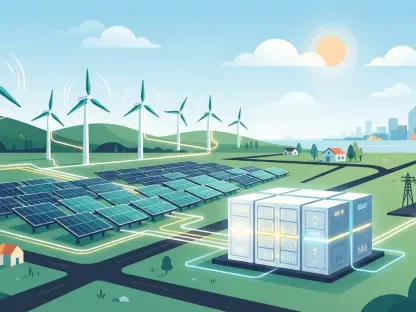
The development of robust energy bundles has pushed the boundaries of what portable power can achieve in a domestic setting. These systems pair high-capacity battery units with multiple high-efficiency solar panels to create a comprehensive energy ecosystem that can sustain a household for extended periods. This scalability allows homeowners to customize their energy backup plans based on their specific needs, whether they are preparing for a short-term grid glitch or a long-term emergency.
Resilience Initiatives: Community Advocacy and Infrastructure
The movement toward widespread renewable energy adoption is being further supported by a growing network of community advocacy and proactive local planning. Grassroots organizations are actively working to prepare local communities for the challenges of extreme summer heat and climate-related energy disruptions. These initiatives often focus on educational outreach and preparedness programs designed to help families understand the benefits of decentralized power at the neighborhood level.
Parallel to community efforts, there is an ongoing push from industry groups to ensure that the transition to renewable energy is managed transparently and equitably. Organizations like the RE-Alliance are advocating for developer rating schemes to ensure that large-scale projects are led by reputable companies. Furthermore, the creation of Renewable Energy Zones is designed to integrate green power with essential local services like water management, health, and housing for regional stability.
Decisive Outcomes: Establishing Long-Term Energy Autonomy
The successful integration of portable solar technology into the Australian market demonstrated a clear path forward for achieving domestic energy independence. Consumers who embraced these advanced lithium-based systems found themselves better prepared for the volatility of the national grid and the rising costs of traditional fuels. It became evident that the most effective strategy for homeowners involved a combination of high-capacity storage and proactive local community engagement.
The transition from petrol to solar was not merely a change in hardware but a fundamental shift in how society valued self-reliance and environmental responsibility. Households that prioritized safety and modular storage experienced fewer disruptions during seasonal crises. Moving forward, the focus remained on expanding these personal storage capacities and supporting regional infrastructure improvements. Ultimately, the move toward solar generators represented a transformative step for a self-sufficient future.