
The intersection of fiscal policy and environmental stewardship has become a defining characteristic of India’s economic strategy as the nation navigates its ambitious journey toward a Net Zero future. By leveraging the Goods and Services Tax framework as a precision instrument for ecological reform, the government is effectively lowering the financial barriers that have historically hindered the adoption of green technologies across various industrial and consumer sectors. This strategic alignment with the “LiFE” movement and the broader “Viksit Bharat” vision signifies a departure from traditional regulatory mandates, favoring instead a market-driven approach that incentivizes sustainable choices through significant tax rationalization. As these fiscal adjustments take hold, they create a ripple effect throughout the economy, influencing everything from the way small businesses manage industrial waste to the materials used in everyday retail packaging. The core of this transition lies in making eco-friendly alternatives not just morally preferable, but economically superior, thereby ensuring that the shift toward sustainability is both rapid and permanent within the modern Indian marketplace.
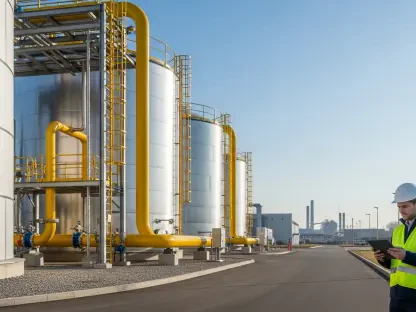
Building on this foundation of economic restructuring, the government has recognized that the success of a green transition depends heavily on the participation of Micro, Small, and Medium Enterprises, which form the backbone of the industrial landscape. For these entities, the cost of environmental compliance often represents a prohibitive capital expenditure, particularly regarding complex processes like wastewater treatment. By slashing the tax rate on services provided by Common Effluent Treatment Plants from 12% to 5%, the administration has directly addressed a major financial bottleneck. This reduction is not merely a symbolic gesture; it translates into a daily saving of approximately ₹13.27 crore across the sector, providing these smaller players with the liquidity needed to invest in more efficient production methods. Consequently, this policy encourages a transition toward Zero Liquid Discharge systems, which are essential for preserving the nation’s increasingly scarce freshwater resources. The move reinforces a circular economy model where industrial waste is treated as a recoverable asset rather than a liability, fostering a culture of resource efficiency that aligns perfectly with global environmental standards.
Financial Incentives for Industrial Waste Management
The strategic reduction of tax burdens on industrial utilities serves as a catalyst for deeper systemic changes within the manufacturing sector, particularly regarding the lifecycle of water and chemical byproducts. When the cost of operating collective environmental infrastructure drops significantly, it enables a larger number of industrial clusters to adopt sophisticated filtration and recycling technologies that were previously deemed too expensive for common use. This shift is critical for the success of the circular economy, as it discourages the illegal discharge of untreated pollutants into local water bodies, a practice often driven by high operational costs. By making compliance more affordable, the government effectively utilizes the tax code to enforce environmental protection, creating a scenario where the cheapest path for a business is also the cleanest one. This proactive fiscal stance ensures that industrial growth does not come at the expense of ecological health, providing a stable framework for sustainable manufacturing that can scale alongside the nation’s rising GDP.
Moreover, the focus on Common Effluent Treatment Plants reflects a sophisticated understanding of industrial geography and the collaborative needs of small-scale manufacturers. These plants allow multiple businesses to pool their resources, achieving economies of scale in waste management that would be impossible for an individual unit to reach alone. The lower tax rate acts as a recurring subsidy for these collaborative efforts, ensuring that the operational costs of maintaining high environmental standards remain manageable over the long term. This approach naturally leads to a more resilient industrial base, where the integration of green practices is seen as a competitive advantage rather than a regulatory burden. As these facilities become more widespread and financially viable, they pave the way for a broader adoption of advanced technologies like membrane bioreactors and reverse osmosis systems. This technological maturation, supported by fiscal policy, ensures that the industrial sector remains a primary driver of the green transition through the decade ending in 2030, balancing economic output with the non-negotiable requirement for environmental preservation.
Transforming Consumer Behavior Through Material Innovation
Beyond the industrial sphere, the tax code is being utilized to reshape the consumer landscape by tackling the pervasive challenge of plastic pollution through targeted material substitution. The dramatic reduction of the tax on biodegradable bags from 18% to 5% represents a significant intervention in the retail market, where price sensitivity often dictates purchasing decisions. By closing the price gap between conventional single-use plastics and compostable alternatives, such as those derived from starch or corn-based polymers, the government is providing a vital boost to the nascent bioplastics industry. This 11% reduction in retail pricing is expected to ignite growth for over 200 certified manufacturers who are currently scaling their operations to meet the increasing demand for sustainable packaging. This transition is not just about changing materials; it is about fundamentally altering the waste stream to ensure that the products ending up in marine ecosystems or landfills are capable of breaking down naturally without leaving harmful microplastic residues.
The implications of this shift extend into the broader manufacturing ecosystem, encouraging research and development into new types of eco-friendly polymers that can match the durability and versatility of traditional plastics. As the financial burden on these sustainable products decreases, investment in production capacity is likely to surge, leading to further price reductions through improved manufacturing efficiencies. This virtuous cycle of policy-driven demand and technological innovation is essential for achieving the national goal of eliminating single-use plastics. Furthermore, this move supports the domestic agricultural sector, as many of the raw materials for biodegradable products are sourced from farm byproducts, creating an additional income stream for rural communities. By aligning fiscal incentives with environmental objectives, the government is fostering an environment where innovation in material science becomes a cornerstone of the national economy. This holistic approach ensures that the shift toward sustainability is deeply embedded in the daily habits of consumers and the operational strategies of the retail sector.
Modernizing National Logistics and Green Mobility
The transition to a sustainable economy also requires a radical rethinking of the transportation and logistics sectors, which are major contributors to urban air pollution and carbon emissions. In a decisive move to modernize the nation’s fleet, the government has lowered the taxation on commercial goods vehicles and buses from 28% to 18%, incentivizing the replacement of aging, high-emission units. This reduction makes it significantly more affordable for fleet operators to upgrade to BS-VI compliant models or explore the burgeoning market for electric and alternative-fuel heavy vehicles. By reducing the initial capital outlay required for these purchases, the policy accelerates the turnover of the national vehicle park, leading to an immediate improvement in air quality across major urban centers. This strategy not only addresses the urgent need for cleaner transport but also enhances the overall efficiency of the logistics network, as newer vehicles are generally more fuel-efficient and require less maintenance than their predecessors.
This fiscal reform serves as a powerful lever for the public transport sector, where municipal corporations and private operators are under pressure to provide cleaner and more reliable services. The lower tax rate facilitates the procurement of modern, energy-efficient buses, which is a critical component of building a sustainable urban infrastructure that can support a growing population. Moreover, by making cleaner commercial vehicles more accessible, the government is supporting the broader goal of reducing the carbon footprint of the entire supply chain. This is particularly important for the logistics industry, where the shift to more efficient transport can lead to significant cumulative reductions in greenhouse gas emissions over the next several years. As the transport sector evolves, these tax cuts will likely be complemented by further investments in charging infrastructure and green hydrogen corridors, ensuring that the transition to sustainable mobility is supported by both a favorable fiscal environment and a robust technological backbone.
The implementation of these diverse GST reforms demonstrated that fiscal policy is one of the most effective tools for driving large-scale environmental change within a complex economy. By strategically targeting high-impact areas like industrial waste, plastic pollution, and commercial transportation, the government successfully lowered the barriers to entry for green technologies and sustainable practices. These measures did not just reduce costs; they signaled a clear long-term commitment to a circular economy, providing businesses with the confidence to invest in eco-friendly innovations. Moving forward, the focus should shift toward monitoring the actual impact of these tax cuts on carbon emission levels and waste reduction targets to ensure the desired outcomes are achieved. Policymakers and industry leaders must now collaborate to identify further sectors where tax rationalization can unlock sustainable growth, such as the renewable energy storage market and advanced recycling technologies. Maintaining this momentum will require a continuous evaluation of the tax structure to keep pace with technological advancements, ensuring that the economic framework remained a powerful engine for India’s green transformation throughout the latter half of the decade.