
The maritime landscape is undergoing a radical metamorphosis as cruise operators pivot away from traditional heavy fuel oil toward cleaner, gas-based energy architectures to satisfy stringent global environmental mandates. This strategic shift is not merely a localized trend but a fundamental reorganization of the global cruise value chain. As the industry faces mounting pressure from both regulators and eco-conscious travelers, Liquefied Natural Gas (LNG) has emerged as the primary vehicle for large-scale decarbonization. This analysis examines how the adoption of gas propulsion is reshaping vessel operations, maintenance strategies, and the long-term viability of the luxury travel market.
The Strategic Shift Toward Liquefied Natural Gas in Cruising
The cruise industry is currently navigating a pivotal transition as it balances the demand for luxury travel with the urgent necessity of environmental stewardship. LNG has emerged as the frontrunner in this race, serving as the most mature and immediately deployable alternative fuel for large-scale maritime operations. This shift moves beyond a simple fuel swap to become a comprehensive platform for technological and operational modernization. By examining the current landscape, technical complexities, and future potential, the industry aims to uncover how this fuel provides a reliable roadmap for a net-zero future at sea.
A Legacy of Innovation and the Push for Greener Seas
To understand the current dominance of gas-based power, one must look at the historical pressure points of the maritime sector. For decades, heavy fuel oil was the industry standard, but tightening global regulations, such as the sulfur caps and increasingly strict greenhouse gas intensity targets, forced a search for cleaner alternatives. While hydrogen and battery power remain in experimental or short-range stages for large vessels, gas propulsion has benefited from extensive operational history and a rapidly maturing global bunkering infrastructure.
This established track record provides cruise operators and investors with the regulatory certainty required to commission massive, multi-billion-dollar vessels. The historical move away from high-sulfur fuels was the first step in a broader evolution toward energy independence. This transition effectively positioned gas technology as the bridge between a carbon-heavy past and a sustainable future, allowing the sector to remain operational while the next generation of renewable fuels undergoes development and scaling.
Navigating the Technical and Operational Landscape
The Complexity of Modern Dual-Fuel Propulsion Systems
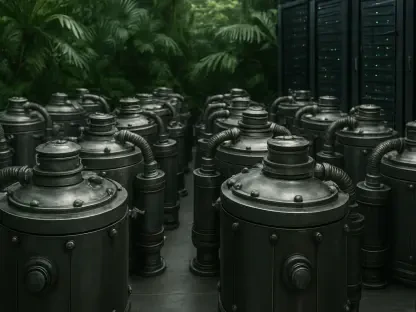
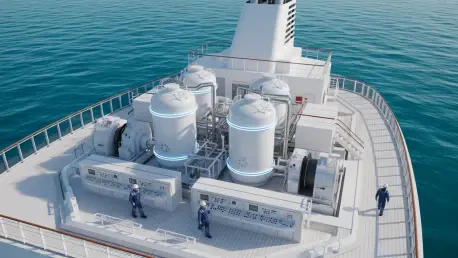
Modern cruise ships are marvels of engineering, and those powered by gas are among the most sophisticated vessels ever built. Unlike standard cargo ships, these vessels utilize intricate dual-fuel trains and multiple cryogenic storage tanks designed for total redundancy. This complexity is essential for maintaining safety standards, ensuring that even if one fuel system fails, the thousands of passengers on board remain safe and powered. The integration of advanced control logic and miles of cryogenic piping necessitates a highly skilled workforce, as these systems must operate flawlessly in diverse marine environments.
Revolutionizing Maintenance Through In-Service Inspections
The adoption of cleaner fuel has fundamentally altered how cruise lines approach vessel upkeep and dry-docking. Because these ships represent such high capital investments, downtime is minimized through a new era of at-sea maintenance. Technical preparations for bunkering often begin while a ship is still undergoing refit, and many critical inspections now occur while passengers are on board. This shift requires a delicate balance; engineering crews must perform rigorous maintenance on gas systems and fuel tanks without disrupting the passenger experience. This proactive, data-driven approach ensures that vessels remain compliant and operational within narrow maintenance windows.
Logistical Challenges and Global Regulatory Compliance
The transition to gas is not without significant logistical hurdles, particularly regarding supply chains and regional regulations. Procurement cycles for specialized components, such as cryogenic pumps, can exceed twelve months, forcing operators to adopt long-range forecasting strategies rather than reactive repairs. Furthermore, geographic constraints play a major role; ships operating in sensitive areas must maintain strict nitrogen oxide compliance, which often mandates the continuous use of gas. Navigating the patchwork of local labor laws and environmental restrictions at different home ports requires a high degree of administrative and technical agility.
Emerging Trends and the Evolution of Bio-LNG
The future of the cruise industry lies in the scalability of infrastructure to accommodate even cleaner variants. Projections indicate a gradual shift from fossil-based gas to Bio-LNG and synthetic e-methane, which can be used in existing engines with little to no modification. This drop-in capability is a game-changer, allowing today’s ships to lower their carbon footprint further as production of renewable fuels scales up. Additionally, the industry is looking toward fuel cell integration and hybrid systems that combine gas with large-scale battery storage, creating a modular energy architecture that can adapt to the technological breakthroughs of the next decade.
Strategic Recommendations for an Evolving Industry
For cruise operators and stakeholders, the move toward cleaner fuels requires more than just new hardware; it demands a cultural shift toward proactive asset management. Companies should prioritize investment in real-time monitoring and data analytics to optimize fuel consumption and predict maintenance needs before they lead to downtime. Furthermore, establishing long-term partnerships with fuel suppliers and port authorities was essential to ensure a reliable supply of renewable variants. By viewing current technology as a flexible platform, businesses can remain resilient against changing regulations while demonstrating a clear commitment to decarbonization.
Conclusion: Building a Foundation for Sustainable Maritime Travel
The maritime sector successfully demonstrated that gas technology was not merely a temporary fix but the foundation for a sustainable future. It provided the necessary immediate reductions in pollutants while remaining compatible with future renewable fuel sources. Operators who prioritized the technical and logistical shifts required by this transition secured their long-term viability in an increasingly eco-conscious world. The path to decarbonization remained complex, but the industry found a reliable compass by embracing modular energy systems and proactive maintenance. Future efforts focused on the rapid expansion of synthetic fuel production and the integration of carbon capture technologies directly onto the vessel platforms. This evolution ensured that the cruise industry transitioned into a leader of environmental responsibility within the global transportation network.