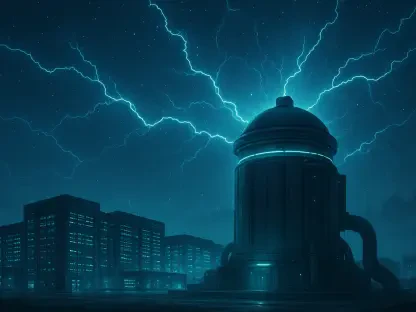

The stability of the regional power grid faced its most rigorous test to date as subfreezing temperatures gripped the Carolinas, driving electricity consumption to levels that once seemed technically impossible. This surge in demand highlights a growing vulnerability in the modern energy landscape, where the intersection of climate volatility and rapid industrial expansion creates a high-stakes environment for utility providers. As the backbone of modern society, the energy sector must ensure a continuous supply of electricity despite these increasingly frequent extreme weather events. This mission involves balancing aging infrastructure with the integration of renewable energy sources, sophisticated smart grids, and stringent environmental regulations. In regions like the Carolinas, the significance of maintaining grid integrity has never been higher, as utilities serve as the primary facilitators of both residential safety and large-scale economic development.
Meeting these challenges requires a shift in how utilities view their role, moving beyond simple distribution toward proactive resilience management. The current era is defined by the dual pressures of an expanding digital economy and a landscape of shifting environmental norms. To succeed, providers are finding it necessary to overhaul traditional operating models, ensuring that the grid can handle both the peak loads of a harsh winter and the consistent demands of a growing population. This evolution is not merely about maintenance; it is about reinventing the infrastructure to be more agile and responsive to the needs of a modern, energy-intensive society.
The Evolving Landscape of Utility Management and Grid Reliability
The utility industry is currently navigating a transformative period defined by the dual pressures of escalating climate volatility and a rapidly expanding industrial economy. As the region experiences more frequent and severe weather anomalies, the margin for error in grid management has shrunk significantly. This new reality forces a reassessment of how energy is generated and distributed, moving away from a reliance on historical averages and toward a model that prioritizes extreme-case preparedness. Consequently, the focus has shifted toward integrating more diverse energy streams while hardening existing physical assets against the elements.
Strategic management in this sector now requires a delicate balance between fiscal responsibility and the technical necessity of modernization. Regional utilities are increasingly caught between the need to keep rates affordable for the average consumer and the massive capital requirements needed to prevent systemic failures. In the Carolinas, this dynamic is particularly visible as the population grows and manufacturing sectors expand, placing a premium on reliable, “always-on” power. The result is an industry in a state of constant motion, perpetually updating its strategies to stay ahead of both the weather and the market.
Strategic Responses to Unprecedented Energy Consumption
Navigating Shifting Demand Patterns and Weather Extremes
Modern energy trends are increasingly dictated by peak demand events, where sudden temperature drops force energy usage to historic levels. Emerging consumer behaviors, such as the widespread electrification of home heating and the continued rise of electric vehicles, are creating new stressors on the existing grid. These shifts mean that the highest points of consumption are becoming more difficult to predict and manage. To bridge the gap during these peaks, utilities are increasingly relying on purchased power—buying electricity from regional partners at market rates—to prevent service interruptions when local generation reaches its limit.
This reliance on external markets acts as a vital safety net, yet it introduces a level of economic uncertainty into the utility’s operational budget. When several states experience the same cold snap simultaneously, the cost of this purchased power can skyrocket due to high regional competition. Maintaining the lights and heat during a crisis is a non-negotiable mandate, yet the mechanism for doing so often involves navigating a volatile marketplace where prices are far higher than the cost of internal production.
Performance Indicators and Financial Projections for the Carolinas
Market data indicates a significant surge in capital requirements for Duke Energy, with recent winter peaks reaching a record 37,308 megawatt-hours. To recover approximately $809 million in non-profit fuel costs, the utility has proposed a 19-month cost-recovery window to soften the impact on households. This specific timeframe was chosen as a strategic compromise to avoid the shock of a standard 12-month billing adjustment. Projections suggest that residential bills could see adjustments between $6.90 and $7.88 monthly, reflecting the high cost of maintaining reliability during subfreezing conditions.
The scale of this financial request reflects the sheer volume of energy needed to keep the system stable when temperatures plummet 20 degrees below normal. These costs are strictly pass-through expenses, meaning the utility does not generate a profit from the fuel or the power purchased on the open market. Instead, the filings represent a direct accounting of the resources required to meet the unprecedented demand of a cold and growing region.
Balancing Operational Costs with Consumer Affordability
The primary challenge facing the industry is the reliability gap, which represents the discrepancy between current generation capacity and the surge in demand during climate emergencies. While purchasing power on the open market ensures the lights stay on, it introduces price volatility that directly impacts consumer monthly expenses. Addressing these obstacles requires a multi-pronged strategy that goes beyond simple rate adjustments. Utilities are now looking at optimizing current fuel portfolios and enhancing energy efficiency programs to reduce the total load on the system.
Furthermore, implementing flexible billing cycles has become a priority to help vulnerable populations manage rising costs without sacrificing essential heating or cooling. By offering budget billing and payment assistance programs, the utility attempts to create a buffer for those most affected by seasonal spikes. The goal is to maintain a high level of service while acknowledging that the cost of that service is rising due to factors outside of the provider’s direct control.
The Regulatory Framework of Energy Rate Adjustments
The utility sector operates under the strict oversight of bodies like the North Carolina Utilities Commission, which ensures that rate hikes are justified and pass-through costs are handled transparently. Regulations mandate that utilities provide service at cost for fuel and purchased power, meaning companies cannot profit from these specific increases. This oversight is a critical component of the public trust, as it guarantees that every dollar requested is tied to a documented expense necessary for maintaining the grid.
Compliance involves rigorous filing processes where utilities must prove that expenses were necessary for grid stability and that the power was purchased at the best possible market rates. These standards serve as a safeguard, ensuring that the drive for infrastructure modernization aligns with public interest and consumer protection laws. The transparency of this process allows stakeholders to see exactly how weather events translate into financial adjustments on their monthly statements.
Future-Proofing the Grid Through Massive Capacity Expansion
Innovation and Infrastructure as Long-Term Solutions
The future of the energy sector lies in transitioning from reactive market purchasing to proactive internal generation. Duke Energy’s roadmap includes the addition of 19,600 megawatts of diverse energy capacity over the coming years, incorporating a mix of traditional plants, energy storage, and grid modernization. This massive undertaking is designed to ensure that the region is never again solely dependent on the volatility of the regional power market during weather emergencies. By building out internal capacity, the utility can better control costs and guarantee reliability.
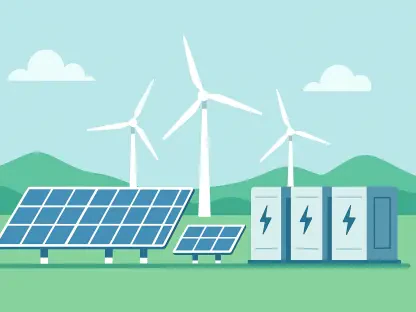
This expansion is essential to support the billions of dollars in new industrial investments and the tens of thousands of jobs expected in the region through the end of the decade. Advanced manufacturing and tech sectors require high-quality, uninterrupted power, making infrastructure a cornerstone of economic policy. The transition involves not just more power, but smarter power, utilizing battery storage and decentralized energy resources to create a more resilient and flexible network.
Anticipating Market Disruptors and Economic Shifts
As North Carolina continues its trajectory of population and economic growth, the utility must anticipate the needs of energy-intensive sectors like advanced manufacturing. Future growth will likely be driven by decentralized energy resources, enhanced battery storage technologies, and a regulatory environment that incentivizes always-on reliability. The ability of the grid to adapt to these shifts will determine the economic competitiveness of the region on a global scale.
Success in this arena will require a departure from the static planning of the past toward a dynamic model that accounts for the rapid pace of technological change. Utilities must now function as tech-integrated entities, utilizing data analytics to predict demand surges before they happen. This foresight allows for more efficient resource allocation and helps mitigate the financial risks associated with sudden, extreme weather events.
Summary of Energy Reliability and Investment Prospects
The recent filings by Duke Energy highlighted a fundamental shift in the utility landscape, where the cost of reliability was directly tied to the challenges of an increasingly volatile climate. Decision-makers recognized that the path forward required a departure from short-term fixes in favor of a comprehensive, multi-billion-dollar infrastructure overhaul. By spreading cost recovery over a longer period, the utility sought to stabilize the financial burden on consumers while simultaneously securing the funds needed to expand generation capacity. The focus transitioned from merely surviving seasonal peaks to building a system that possessed the inherent strength to withstand them without external aid.
Moving forward, the industry was expected to prioritize the rapid deployment of energy storage and the modernization of grid distribution networks to handle decentralized power sources. Regulatory bodies and utility leaders aimed to foster a more transparent dialogue regarding the necessity of these investments, framing them as a prerequisite for sustained regional economic growth. Actionable steps involved the integration of more predictive modeling tools and the expansion of consumer-side efficiency programs to decrease baseline demand. Ultimately, the industry moved toward a model where infrastructure resilience was viewed not just as an operational goal, but as a critical driver of regional prosperity and public safety.