
Christopher Hailstone is a distinguished authority in clean energy infrastructure, with a deep understanding of how electricity delivery must evolve to meet the demands of a greener world. As a veteran in grid reliability and renewable management, he has spent decades navigating the complexities of transitioning from traditional power sources to decentralized, clean solutions. In this discussion, we explore the strategic alignment of electric vehicle charging with solar peak hours, the massive turnout of two-wheeler users in recent nationwide initiatives, and the critical role of fast-charging technology in reducing fossil fuel dependency while supporting the gig economy.
The recent initiative across 35+ cities was timed to coincide with peak solar generation. From an infrastructure perspective, why was this timing so critical for the health of the grid and the transition to clean energy?
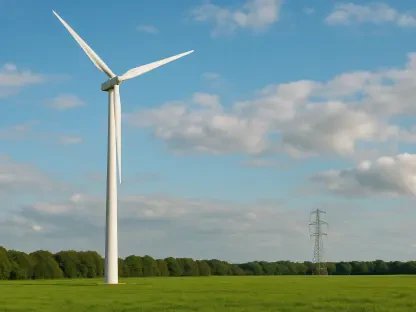
By targeting the specific windows of 8 AM to 1 PM and 12 PM to 5 PM on September 5 and 6, the campaign turned 1,441 users into active partners in grid balancing. We saw 2.07 MWh of energy dispensed during the hours when the sun is at its most potent, which drastically reduces the need to fire up carbon-heavy “peaker” plants that typically fill gaps in demand. There is a certain sensory satisfaction in knowing that the electricity flowing through the Blaze DC network was harvested directly from the sky just moments before being used by these riders. This approach doesn’t just manage the load; it creates a more resilient ecosystem where the demand for mobility actually supports the stability of the renewable grid rather than straining it during evening peaks.
With nearly 2,000 charging sessions recorded in a single weekend, what does this turnout reveal about the successes and practical needs of electric mobility for urban workers?
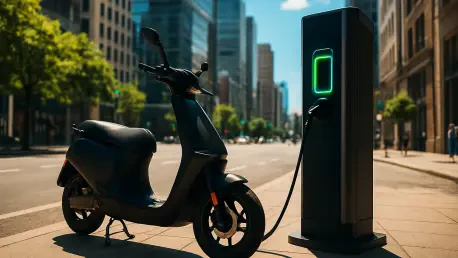
The 1,987 sessions recorded prove that the appetite for electric mobility is soaring, particularly among the delivery partners and gig-economy workers who keep our cities moving. These individuals work on thin margins, and the ability to access a reliable fast-charging network transforms their daily operations from a stressful search for power into an efficient, seamless process. Providing free access over that weekend helped many experience how fast-charging can significantly reduce wait times and improve their overall productivity. The sense of confidence that comes from a reliable infrastructure is the real engine driving this transition, making sustainable choices the most logical and profitable path for everyday consumers.
What is your forecast for solar-integrated charging?
I anticipate that by 2028, solar-aligned charging will become the standard as smart grids begin to automate the process for the end user. As we scale infrastructure across 35+ cities and beyond, the data from the 2.07 MWh dispensed during this campaign will help build an ecosystem that is completely decoupled from fossil fuels. We are moving toward a future where urban transportation is synchronized with the natural cycle of the sun, ensuring mobility is as clean as the air we breathe. This transition will ultimately prove that clean energy and convenience can exist in perfect harmony for every driver on the road.