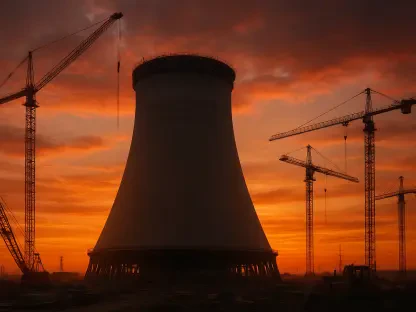

The European Union has already lost approximately 20 percent of its refining capacity and 130,000 skilled industrial jobs since 2009. This erosion of the industrial base highlights a significant challenge in the current energy transition, where the push for decarbonization often clashes with the reality of maintaining economic stability and high-quality employment. While electrification remains a central theme in long-term climate strategies, the immediate need for scalable and mature technologies has brought biofuels to the forefront of the strategic debate. Biofuels, particularly Hydrogenated Vegetable Oil and Sustainable Aviation Fuel, offer a way to decarbonize existing infrastructure without necessitating the wholesale abandonment of established industrial assets. By integrating these renewable fuels into the energy mix, the continent can pursue its environmental targets while simultaneously fortifying its manufacturing sector and ensuring that the transition does not come at the cost of its technological sovereignty.
The Logistics of Integration: Why Biofuels Win on Speed
One of the most compelling arguments for the rapid adoption of biofuels is their inherent compatibility with the existing logistics and transport infrastructure across the continent. There are currently over 170 million diesel vehicles operating on European roads, representing approximately 60 percent of the total fleet, many of which can operate on pure biofuels today without any mechanical modifications. This plug-and-play capability allows for an immediate reduction in carbon emissions without waiting for the slow turnover of the vehicle fleet or the massive rollout of charging stations. By leveraging the existing network of pipelines, storage tanks, and fueling stations, biofuels bypass the capital-intensive and time-consuming process of building entirely new energy delivery systems. This practical advantage makes biofuels a vital tool for achieving short-term emission reduction targets that might otherwise be missed if the focus remains exclusively on the long-term deployment of electrification.
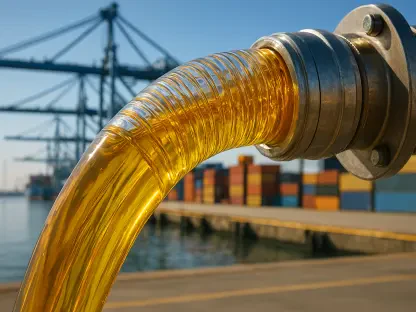
The utility of biofuels extends far beyond the realm of light-duty road transport, reaching into heavy-duty and long-distance sectors where battery technology currently faces significant physical and economic barriers. In the maritime shipping industry, Hydrogenated Vegetable Oil can be utilized in its pure form to power large vessels, offering a direct path to lower emissions for global trade routes. Similarly, the aviation sector relies heavily on Sustainable Aviation Fuel, which is currently approved for blending with conventional jet fuel at levels up to 50 percent, providing the only viable medium-term solution for decarbonizing air travel. These hard-to-abate sectors require energy-dense liquid fuels that can operate within the constraints of existing engine designs and weight limitations. By focusing on these specific applications, the European Union can address some of its most persistent sources of pollution while providing the industry with the stability needed to invest in cleaner, renewable fuel production.
Environmental Metrics: The Move Toward Life Cycle Analysis
Current regulatory frameworks within the European Union often prioritize tailpipe emission measurements, a methodology that inherently favors electric mobility but fails to capture the full scope of a fuel’s environmental impact. A shift toward a comprehensive Life Cycle Assessment would provide a more accurate picture of how various technologies contribute to decarbonization from production to final consumption. Research from organizations like the International Council on Clean Transportation suggests that while battery-electric vehicles offer significant reductions, biofuels derived from renewable feedstocks can achieve life-cycle carbon savings between 73 percent and 93 percent. In fact, modern HVO production is currently on track to deliver an average carbon dioxide equivalent reduction of nearly 80 percent compared to standard fossil fuel mixes. Adopting a holistic measurement approach would allow policymakers to recognize the true value of biofuels, ensuring that all mature technologies are utilized to their full potential rather than relying on a narrow technological path.
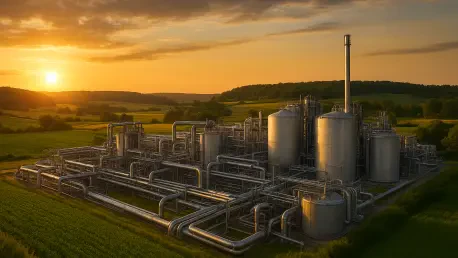
Preserving the industrial resilience of the continent also requires a strategic rethink of how traditional refining assets are managed during the transition. The conversion of conventional fossil-fuel plants into advanced biorefineries represents a successful blueprint for industrial evolution, as demonstrated by early pioneering projects in Italy. By transforming existing sites like those in Porto Marghera and Gela, the industry can maintain local technical expertise, safeguard thousands of skilled jobs, and generate significant economic value. For example, the Gela biorefinery project has shown a powerful economic multiplier effect, where every euro of initial investment generates over two euros in broader economic benefits for the regional and national economy. This brownfield strategy allows the European Union to revitalize its aging industrial hubs rather than decommissioning them, turning potential economic liabilities into strategic assets that contribute to both domestic production and the overarching goals of the Green Deal.
Strategic Autonomy: Securing Europe’s Energy Future
Developing a robust domestic biofuel industry is a critical step toward ensuring Europe’s strategic autonomy and reducing its vulnerability to volatile global supply chains. Currently, there is a legitimate concern that a singular focus on electric mobility might trade a historical dependence on foreign oil for a new, precarious reliance on overseas battery manufacturing and mineral supplies, particularly those dominated by the Chinese economy. By contrast, a strong focus on biofuels allows the continent to leverage its own agricultural residues, waste products, and industrial base to create a more self-sufficient energy ecosystem. Private investment in European biorefining has the potential to generate tens of billions in gross domestic product and support tens of thousands of new jobs across the continent. This shift not only strengthens the geopolitical standing of the European Union but also ensures that the economic benefits of the energy transition remain within its borders, fostering a more resilient and diverse energy portfolio for the future.
To move forward effectively, the strategy shifted toward utilizing sustainable, non-food feedstocks such as agricultural waste and intermediate crops grown on degraded land. This approach ensured that the growth of the biofuel sector did not come at the expense of food security or biodiversity, creating a circular economy model that benefited both the environment and the agricultural sector. The European Union eventually recognized the necessity of a technology-neutral stance, which allowed for a more balanced integration of biofuels alongside electrification. Policymakers implemented more sophisticated life-cycle assessments and provided targeted support for refinery conversions to maintain industrial competitiveness. By 2026, the framework had evolved to prioritize empirical sustainability data over theoretical prohibitions, allowing for a more diverse and resilient energy landscape. These actions successfully stabilized the refining sector, protected critical industrial jobs, and provided a clear, actionable roadmap for a multi-faceted energy transition that utilized every mature technology available to meet long-term climate targets.