
The massive battery production complex rising in Fayette County, Ohio, signifies a strategic realignment that extends far beyond the immediate requirements of the electric vehicle market. While the initial groundwork for the LG Energy Solution and Honda joint venture focused exclusively on powering the next generation of Acura and Honda electric models, the facility is now integrating specialized production lines for high-capacity stationary energy storage systems. This pivot reflects a broader industrial recognition that the transition to sustainable power requires more than just mobile batteries; it necessitates a robust infrastructure capable of buffering the electrical grid. By diversifying the output of the Ohio plant, the partnership secures a more resilient business model that can withstand fluctuations in consumer demand for automobiles while tapping into the burgeoning market for utility-scale storage. The move transforms the site into a multi-functional energy hub, positioning Ohio as a central node in the North American supply chain during this pivotal phase of industrial modernization. This approach ensures that the billions of dollars in capital expenditure are utilized to their maximum potential, creating a versatile manufacturing footprint that can adapt to the evolving needs of both the transportation and energy sectors without requiring massive, costly overhauls of the existing physical infrastructure.
Strategic Diversification: Responding to Market Shifts
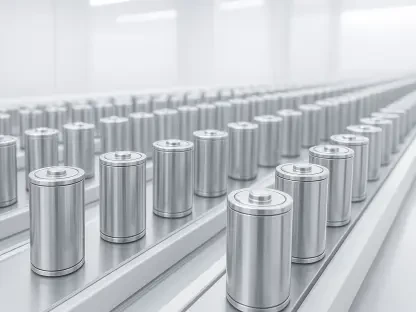
The decision to incorporate energy storage technology within the Ohio facility stems from the need to optimize high-volume manufacturing assets across multiple sectors of the clean energy economy. As the automotive industry navigates varying rates of consumer adoption for electric vehicles, manufacturers are seeking ways to ensure that expensive production lines remain consistently operational and profitable. By adding stationary storage capabilities, the LG-Honda partnership can leverage shared chemistries and assembly techniques to produce lithium-ion cells for two distinct yet complementary markets. This approach mitigates the risk of inventory stagnation that might occur if the facility were tied solely to the cyclical nature of vehicle sales cycles. Furthermore, the modular design of modern battery cells allows for significant overlap in the supply chain, enabling the plant to pivot production volumes between automotive packs and grid-scale units based on real-time market signals and long-term utility contracts. This flexibility is particularly crucial as raw material costs fluctuate, allowing the joint venture to allocate resources to whichever sector offers the highest stability and margin at any given moment, thereby safeguarding the economic viability of the entire operation.
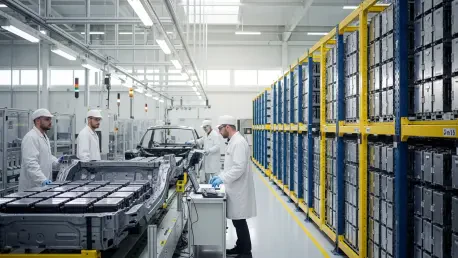
Engineering teams at the Jeffersonville site have focused on adapting the manufacturing floor to handle the specific requirements of large-format energy storage units, which often differ in thermal management and cycle-life specifications from their automotive counterparts. While passenger vehicles prioritize energy density and rapid discharge rates for performance, stationary systems are engineered for longevity and the ability to withstand thousands of deep-discharge cycles over decades of service. Integrating these distinct product lines requires sophisticated automation and quality control systems that can differentiate between cell grades during the final stages of assembly. The pivot ensures that the factory is not merely an auxiliary arm of the Honda assembly lines but a standalone powerhouse in the energy sector. This flexibility is essential for maintaining the massive workforce recruited for the project, as it provides a buffer against the potential volatility of the global lithium market by diversifying the end-use applications of the raw materials sourced for the facility. By mastering the dual-production model, the plant sets a new standard for industrial efficiency, where a single site can serve as the backbone for both personal mobility and national power grid stability in a cohesive and streamlined manner.
Operational Evolution: Strengthening the Energy Infrastructure
The successful integration of stationary energy storage production within the Ohio facility served as a definitive turning point for the regional industrial landscape. Stakeholders recognized that the convergence of transportation and energy sectors required a manufacturing base capable of serving both simultaneously. This pivot provided a clear blueprint for how large-scale investments were safeguarded against market shifts by integrating diverse product lines early in the development process. The implementation of storage lines alongside automotive assembly strengthened the local supply chain, attracting secondary manufacturers and specialized service providers to the Fayette County area. This clustering effect fostered a more robust economic ecosystem, ensuring that the regional workforce remained at the cutting edge of battery technology applications. As the facility matured, the lessons learned from this integration offered valuable insights for future public-private partnerships aiming to revitalize the American industrial heartland. The initiative proved that domestic manufacturing could be both specialized and adaptable, providing the necessary resilience to withstand the complex challenges of a global energy transition while maintaining high production levels.
Future progress depended on optimizing the total lifecycle of these battery products through integrated recycling programs and sophisticated second-life applications. The facility laid the groundwork for a circular economy by designing modules that were easily disassembled or repurposed for less demanding storage roles after their primary use in vehicles concluded. Engineers and policymakers focused on streamlining the regulatory frameworks for grid interconnection, ensuring that the storage units produced in Ohio were deployed rapidly to areas facing energy shortages or high prices. Strategic investments in local technical colleges ensured a steady pipeline of skilled technicians capable of maintaining both the manufacturing equipment and the deployed energy assets across the country. By focusing on the total energy ecosystem rather than just the vehicle, the partnership secured its role as a leader in the transition to a carbon-neutral society. This comprehensive strategy ultimately reinforced the importance of domestic manufacturing in achieving long-term sustainability goals while maintaining industrial competitiveness. Companies looking to replicate this success observed that the key was to anticipate the infrastructure needs of the coming decade and build the capacity to meet them today.