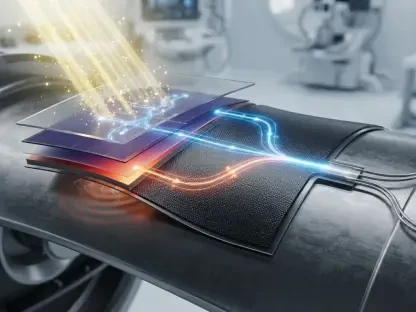

Thermal runaway prevention measures in the new battery design ensure that failure in a single cell does not lead to uncontrollable heat spread across the entire 60 kWh pack. The NIO Firefly has transitioned from a promising concept to a dominant force in the premium compact electric vehicle market, signaling a shift in how urban commuters view long-distance travel. By introducing a robust 60 kWh battery pack, the brand is effectively dissolving the traditional boundaries that once categorized compact hatchbacks as secondary “city cars.” This high-capacity energy solution provides a CLTC-rated range of 560 kilometers, which translates to roughly 348 miles of freedom. For drivers navigating the busy corridors of modern metropolises, this advancement means fewer stops and more confidence during spontaneous weekend getaways. The integration of this technology showcases a sophisticated approach to energy density, where size does not compromise safety or efficiency. The Firefly stands as a testament to the fact that smaller vehicles can deliver luxury.
Market Strategy: Innovative Pricing and Accessibility
Subscription Models: Lowering the Barrier to Entry
A defining characteristic of the NIO Firefly’s market entry is the strategic use of the Battery-as-a-Service (BaaS) model, which fundamentally alters the financial barrier to entry for high-end EVs. By decoupling the cost of the 60 kWh battery from the vehicle’s chassis, the manufacturer offers a pricing structure that caters to diverse economic profiles. An outright purchase of the 60 kWh model is positioned at approximately RMB 136,800, yet the BaaS subscription allows the initial price to plummet to RMB 79,800. In this scenario, owners pay a manageable monthly fee of RMB 599 for the battery, shifting the burden of ownership from a heavy upfront capital expenditure to a predictable operational cost. This flexibility is particularly attractive to younger buyers and technology enthusiasts who prioritize liquidity and the ability to pivot as new energy solutions emerge. The result is a more inclusive luxury segment that invites a broader demographic to participate in the electric revolution without compromise.
Beyond mere affordability, the subscription model provides a unique safety net against the rapid depreciation typically associated with early-stage battery technology. Because the battery remains part of a shared pool, subscribers are effectively immune to the long-term degradation concerns that might otherwise plague a traditional car owner. This creates a circular economy where the manufacturer takes responsibility for the health and recycling of the energy cells, while the driver focuses on the experience of the road. Furthermore, the Firefly’s “upgrade-ready” architecture ensures that the vehicle does not become obsolete. Existing owners of the 42 kWh version can physically upgrade their hardware to the larger 60 kWh pack, reflecting a shift toward a more sustainable and long-lasting vehicle lifecycle. This modularity also simplifies the manufacturing process, as the standardized chassis can accommodate different energy capacities without requiring extensive redesigns or complex modifications to the existing frame.
Performance Standards: Modular Growth and Efficiency
The physical security of the energy storage system is non-negotiable, and the Firefly’s design reflects a deep commitment to structural integrity through its all-aluminum grid architecture. This lightweight yet incredibly strong frame is bolstered by cross-shaped anti-collision beams specifically engineered to absorb and redistribute impact forces during a collision. Such a robust external shell is critical for protecting the sensitive NCM cells from mechanical deformation, which is often the primary trigger for catastrophic failure in electric vehicles. Furthermore, the engineering team has implemented a rigorous separation between the liquid cooling channels and the high-voltage electrical circuits. This design choice virtually eliminates the risk of internal short circuits caused by coolant leaks, providing an additional layer of fail-safe protection. These internal safety protocols are not just compliant with current regulations but are designed to exceed them, setting a high bar for what is expected in the premium compact category.
To ensure that the battery maintains its capacity over hundreds of thousands of miles, the Firefly utilizes low-lithium-loss anodes and passivated cathodes to significantly reduce the chemical reactions that typically lead to capacity fade. Additionally, the introduction of biomimetic self-healing electrolytes represents a leap forward in material science, as these specialized fluids can repair microscopic fissures that occur within the battery structure during high-stress charging cycles. This “self-repair” mechanism is crucial for maintaining the efficiency of ion transport, which directly impacts the vehicle’s ability to charge quickly. These chemical innovations are paired with electrode microstructure engineering and adaptive swelling-force management to ensure that energy flow remains optimal. When combined with the brand’s extensive battery-swapping infrastructure, this focus on longevity becomes even more impactful, providing a seamless and reliable energy solution that supports the long-term value of the entire automotive platform.
Future Outlook: A Blueprint for Compact Mobility
The launch of the 60 kWh battery for the Firefly shifted the conversation from short-range utility to versatile endurance. By addressing the technical challenges of thermal runaway and structural integrity, the brand established a new benchmark for the premium compact segment. Moving forward, the focus must remain on the expansion of charging and swapping networks to fully capitalize on the vehicle’s long-range capabilities. For stakeholders and consumers alike, the success of this model suggested that the path to global EV adoption required a mix of financial accessibility and uncompromising safety. This development served as a reminder that innovation was not just about the size of the battery, but about the ecosystem that supported it. As international markets looked toward similar compact solutions, the Firefly provided a comprehensive framework for balancing performance with sustainability. This evolution highlighted the necessity for manufacturers to offer upgradeable hardware for long-term growth and resilience.