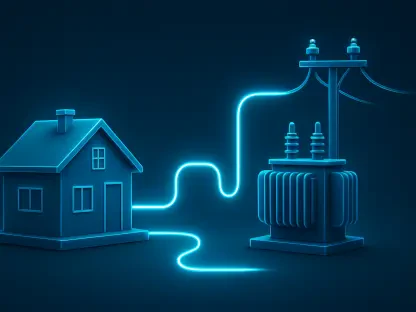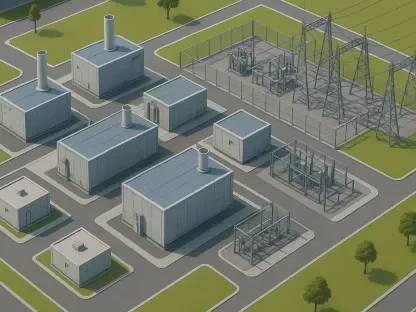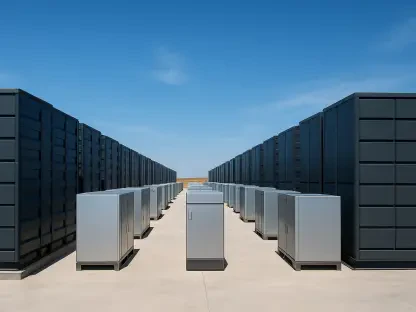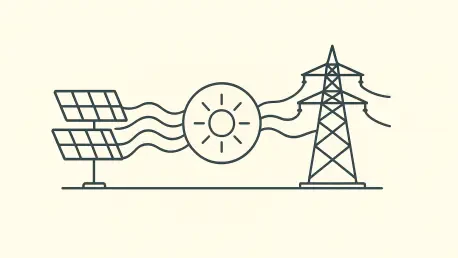

The global transition toward weather-dependent renewable energy has exposed a critical vulnerability in our aging power infrastructure that traditional synchronization methods can no longer ignore. Centralized plants are yielding to decentralized inverter-based resources. This shift from synchronous machines to power electronics requires new stability solutions. The LS Electric and KEPCO partnership addresses this global necessity by focusing on advanced power electronics for modern grids.
The Paradigm Shift: From Grid-Following to Grid-Forming Infrastructure
The energy industry is witnessing a fundamental change as fossil fuel plants are decommissioned in favor of decentralized solar and wind assets. Traditional grids relied on the physical inertia of rotating turbines to maintain frequency. However, the rise of inverter-based resources necessitates a move toward digital stability. Power electronics now provide the primary mechanism for maintaining the delicate balance of the global energy landscape.
The strategic importance of the collaboration between LS Electric and KEPCO cannot be overstated in this context. By pooling manufacturing expertise and research capabilities, these organizations are addressing the critical need for frequency and voltage stability. This partnership serves as a foundation for a more resilient power sector that can accommodate a higher percentage of intermittent energy sources without compromising reliability.
Accelerating the Energy Transition Through Technical Innovation
Next-Generation Trends: Autonomy and Resilience in Modern Grids
Grid-forming systems outperform traditional grid-following tech by independently establishing voltage and frequency parameters. Integration of smart transformers and real-time digital communication significantly enhances grid resilience and monitoring. These systems allow the grid to respond dynamically to fluctuations, ensuring that the distribution network remains stable even during peak demand or supply drops.
Microgrids with black start capabilities allow for rapid power restoration during large-scale outages without relying on the main grid. This evolution meets the rising consumer demand for decentralized and highly reliable distribution networks. As behavior shifts toward local generation, the need for these autonomous capabilities becomes the standard for modern utility providers.
Market Trajectory: Growth Projections for Advanced Inverter Technologies
Market data suggests grid-forming tech is entering a period of early commercialization. From 2026 to 2030, growth in Energy Storage Systems and smart equipment is expected to accelerate globally. This trend is driven by the urgent need to stabilize renewable energy feeds into existing metropolitan grids.
South Korea is currently creating a roadmap to export these standardized power technologies to international markets. This strategy leverages domestic success to capture significant market shares as global demand for modern grids intensifies. By establishing technical benchmarks today, the region aims to become a primary provider of advanced distribution infrastructure.
Navigating the Technical and Economic Hurdles of Decentralization
Significant technical hurdles involve the inherent variability of wind and solar power. High manufacturing costs and engineering complexities in low-inertia environments remain major obstacles to widespread decentralization. Maintaining synchronization without the natural inertia of traditional turbines requires sophisticated and expensive power electronics that are still being refined for mass production.
Scaling domestic demonstrations into bankable international projects is the next major challenge for the industry. Developers must prove that these next-generation systems can operate reliably under diverse environmental conditions. Overcoming these fundamental price and design barriers is essential for making grid-forming technology the standard for global energy markets.
Governance and Standardization: The Regulatory Roadmap for Smart Grids
Regulatory frameworks are essential for streamlining safety standards in distributed resources. Public-private partnerships accelerate development by aligning government goals with private sector innovation. These policies also address the urgent need for cybersecurity in digitized power systems, ensuring that the infrastructure remains protected from evolving digital threats.
Standardization ensures that new technologies remain compliant with international codes and safety requirements. Developing a unified technical compliance framework allows for easier integration of distributed resources across different borders. This governance is critical for creating a stable environment where investors feel confident funding large-scale grid modernization projects.
Future Outlook: Building the Blueprint for a Global Power Export Leader
Emerging disruptors like solid-state transformers and AI-driven grid management will soon reshape the power landscape. The manufacturing expertise of LS Electric combined with KEPCO’s research provides a blueprint for autonomous, self-healing networks. This collaboration will likely influence the economic trajectory of emerging markets through standardized exports of high-tech power equipment.
Predicting the move toward fully autonomous distribution networks suggests a future where human intervention is minimized. These systems will use real-time data to balance loads and heal themselves after physical or digital disruptions. Such advancements will redefine the global electricity supply, making it more efficient and less prone to systemic failure.
Final Assessment: Grid-Forming Technology as the Bedrock of Stability
Grid-forming technology successfully bridged the gap between sustainability goals and operational reliability. The partnership between LS Electric and KEPCO served as a major catalyst for the global energy transition. Investors who prioritized grid modernization found a more stable electricity supply for long-term industrial growth. These advancements provided the necessary framework for a resilient and future-proof power infrastructure.