
The Indian automotive landscape is currently undergoing a seismic shift as electric vehicles transition from expensive novelties to the primary choice for hundreds of thousands of daily commuters. Standing at the threshold of 2026, the industry is preparing for a landmark surge that will likely redefine the nation’s energy consumption patterns and urban air quality for years to come. This shift represents more than a statistical jump; it marks the moment electric mobility moves from a niche alternative to a mainstream pillar of the Indian automotive landscape.
A Decade of Growth: Compressed into a Single Year
India is poised to add as many new electric cars to its roads in the next twelve months as it managed to sell cumulatively over the last ten years. This unprecedented acceleration signals a tipping point where market adoption moves from a linear climb to an exponential explosion. By the time the 2027 fiscal year concludes, the annual sales volume is expected to hit 400,000 units, creating an entirely new baseline for the automotive sector.
Such rapid growth compressed into a narrow window challenges traditional manufacturing cycles and dealer networks alike. While the early 2020s were defined by experimentation and cautious pilot programs, the current phase is characterized by massive scale and industrial maturity. Every major player in the market has shifted their focus from whether this transition will happen to how fast they can facilitate it to keep up with the changing times.
The Confluence: Geopolitics and Infrastructure Development
The sudden pivot toward electric power was the result of a perfect storm involving external pressures and internal policy evolution. Volatility in West Asia throughout the early part of the decade drove the cost of traditional fossil fuels to record highs, making internal combustion engines difficult for cost-conscious families to justify. Petrol and diesel prices became a primary motivator for consumers looking to shield their monthly budgets from global energy shocks.
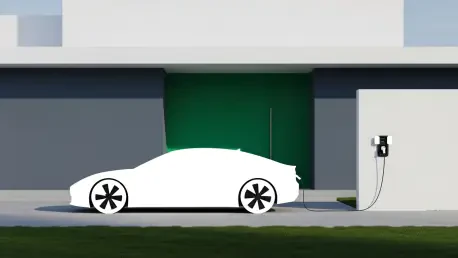
Simultaneously, the aggressive expansion of public charging networks effectively dismantled the “range anxiety” that previously acted as a psychological barrier for prospective buyers. The government’s relentless push for energy security led to thousands of new fast-charging stations appearing along highways and in urban hubs. This infrastructure development ensured that owning an electric vehicle became a matter of convenience rather than a logistical gamble for the average driver.
Mapping the Transition: From 4% to 8% Market Penetration
The growth trajectory of the domestic sector follows a clear path toward doubling its footprint within a remarkably short period. Projections for the 2026 fiscal year suggest a penetration level between 4.2% and 4.5%, representing a steady climb from previous figures. However, the real breakthrough is expected in the following year, when penetration is forecast to reach a significant 8% of the total passenger vehicle market.
This surge is fueled by an influx of diverse new vehicle models targeting multiple price brackets. No longer restricted to luxury sedans or premium SUVs, the market now offers electric hatchbacks and compact crossovers that appeal to a broader demographic. By providing options that cater to middle-income families, manufacturers ensured that the transition became inclusive across different economic segments of society.
Voices from the Factory Floor: Automakers Struggle to Keep Pace
Top executives at industry giants like Tata Motors and JSW MG Motor India have noted that the primary challenge is no longer generating consumer interest, but rather manufacturing at the speed of demand. Reports indicate that EV bookings now account for nearly 23% of total orders for certain manufacturers, a figure that significantly outpaces current delivery rates. This supply-constrained environment forced companies to rethink their entire production philosophy.
To address growing waitlists, firms like Mahindra & Mahindra began significantly ramping up assembly lines to accommodate the volume of new-energy vehicle orders. The focus shifted toward high-capacity production facilities that can churn out batteries and drivetrains without the bottlenecks seen in previous years. Manufacturers recognized that being the first to fulfill these orders would define their market share for the remainder of the decade.
Evaluating the Practical Benefits: The Total Cost of Ownership
For the modern buyer, the decision to go electric is increasingly driven by a “total cost of ownership” framework rather than the initial sticker price. Consumers realized that the long-term savings on maintenance and the significantly lower cost per kilometer outweighed the premium paid at the dealership. This financial pragmatism turned sustainability into a savvy investment for the average household.
Industry leaders prioritized localization and the strengthening of domestic supply chains to further drive down the costs of essential components. By manufacturing batteries and motors locally, they insulated the market from international trade fluctuations and reduced the final price for users. These strategic moves ensured that the infrastructure could reliably support the massive influx of vehicles expected through the end of 2027.
The industry successfully established a clear roadmap for battery recycling and grid integration before significant bottlenecks emerged. These proactive steps ensured that the leap to 8% penetration occurred without disrupting the national energy balance or consumer confidence in the technology. Stakeholders effectively shifted the focus toward long-term resource security, which provided a stable foundation for the next generation of electric mobility.