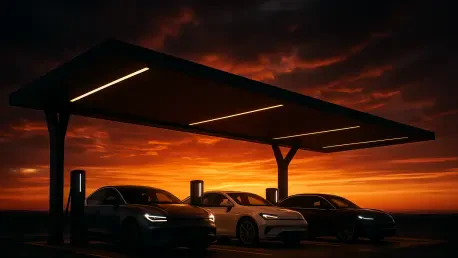

The deployment of 50 kW stations in cities like Câmpina, Mediaș, and Huși ensures that even smaller urban centers are included in the national transition to cleaner transport. This initiative is a cornerstone of a massive strategic partnership between PPC Blue România and Cometex, a prominent developer within the Altex Group. By embedding ultra-fast charging capabilities directly into the fabric of daily retail activities, these companies are effectively removing the barriers that once hindered widespread electric vehicle adoption. The project targets the installation of over 300 new charging points, aiming for a combined installed capacity exceeding 20 MW across a diverse range of locations. This expansion is not limited to traditional retail parks; it also includes specialized sites like Bricostore, ensuring that drivers can recharge their vehicles while shopping for everything from groceries to home improvement supplies. This approach fundamentally shifts the perception of charging from a chore to a seamless background task.
Expanding the Infrastructure and Geographic Reach
Strategic Deployments in Urban Centers
At the heart of this rapid rollout is the establishment of high-capacity hubs in key urban centers, providing immediate relief for the growing population of electric vehicle owners. In Giurgiu, the Aurora Retail Park has become a flagship location, featuring a high-speed hub with eight distinct charging points and a robust 450 kW capacity. This installation allows multiple drivers to power up simultaneously without the long wait times associated with older, slower technologies. Similarly, strategic deployments at Altex Iris Titan in Bucharest and the Slatina Greenfield location have introduced capacities of approximately 82 kW at each site. These installations are carefully positioned to intercept heavy traffic flows and serve dense residential areas, providing reliable infrastructure where it is needed most. By prioritizing these high-traffic retail nodes, the partnership ensures that charging hardware is not just present but is also highly utilized and integrated into the existing traffic patterns.
Operational Integration and Regional Connectivity
Beyond the major metropolitan areas, the infrastructure expansion has successfully reached regional hubs like Bacău, where the Aurora Retail Park now features 100 kW stations. This level of power is crucial for drivers who need a substantial range boost during a typical 30-minute shopping visit. A vital component of this growth involves the seamless operational transition as PPC Blue assumes management of the charging network originally developed by Cometex. This move integrates 87 established charging points into the broader PPC Blue ecosystem, which already maintains a footprint in every single county across Romania. By centralizing management, the partnership guarantees service continuity and a standardized user experience regardless of the specific city or retail brand. This consolidation is a sophisticated logistical achievement that simplifies the landscape for the end-user, ensuring that a single account or app provides access to a massive, nationwide web of reliable hardware and energy services.
Enhancing the User Experience and Corporate Vision
Integrating Sustainability into the Retail Lifestyle
The leadership behind this partnership views the project as more than just a technical rollout; it is a fundamental shift toward lifestyle integration. By placing charging solutions in key, easily accessible locations that customers visit daily, the transition to cleaner transport is greatly accelerated. The philosophy here is to make electric vehicle charging a background activity that occurs naturally while a customer is busy with other tasks. Instead of planning their day around a charging stop, drivers can simply plug in their cars while they handle grocery shopping or browse for electronics. This convenience factor is the most potent tool for driving behavioral change among the general public. When a sustainable choice becomes the most convenient choice, adoption rates tend to skyrocket. This strategy effectively demystifies the technology, making it a routine part of the modern urban experience and proving that eco-friendly habits do not require significant sacrifices in comfort.
Advanced Digital Tools and Technical Support
To complement the physical hardware, a comprehensive digital ecosystem has been developed to ensure a seamless experience for every user. A sophisticated mobile application allows drivers to locate available stations in real-time, manage their charging sessions, and plan complex long-distance trips across both Romania and Greece. This digital integration is essential for providing transparency and predictability in the charging process, allowing users to see availability and power levels before they even arrive at a site. Furthermore, the introduction of specialized subscription models has set a new standard for the industry in the region. Tiers such as blueLite, bluePlus, and blueMax offer tailored solutions that include set kilowatt-hour units, catering to everyone from occasional city drivers to high-mileage commuters. These models provide cost certainty and convenience, mimicking the subscription services that consumers are already comfortable using in other parts of their digital lives.
Leading the Way Toward a Sustainable Energy Future
The collaboration between these industry leaders successfully established a high-capacity backbone for electric mobility across Romania. By merging retail convenience with advanced energy technology, the project reached over 1,400 charging points with a total capacity exceeding 46 MW. This massive infrastructure investment provided the necessary foundation for a cleaner, more efficient transportation system that benefited both the environment and the economy. Moving forward, the focus shifted toward integrating renewable energy sources directly into these charging hubs, such as solar arrays on retail park rooftops, to further reduce the carbon footprint of the network. Stakeholders and urban planners also evaluated implementing dynamic pricing models to manage peak demand and ensure equitable access during high-traffic periods. As the network matured, the data gathered from these thousands of charging sessions was used to optimize future grid upgrades and local infrastructure planning for the subsequent decade.