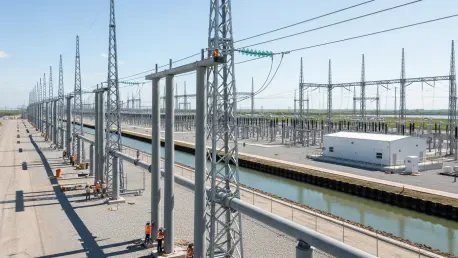

The physical fortification of the network involves replacing thousands of aging wooden utility poles with high-strength steel and concrete structures capable of withstanding winds exceeding one hundred and forty miles per hour. This transition is particularly vital for the low-lying coastal areas where salt spray and high moisture levels accelerate the corrosion of traditional materials. Beyond pole replacement, the investment facilitates the undergrounding of critical distribution lines in flood-prone zones, effectively isolating them from the most severe impacts of surface-level weather events. Substation elevations are also a primary focus, as new floodwalls and drainage systems are being integrated to prevent the catastrophic equipment failures that occurred during recent surge events. These physical upgrades are meticulously planned to prioritize sections of the grid that serve hospitals, emergency response centers, and vital water treatment facilities, ensuring that life-sustaining services remain operational even when the environment is in turmoil.
Hardening Infrastructure: Physical Reinforcements and Coastal Resilience
Enhancing the physical capacity of transmission lines allows for more flexible power routing, which is essential when specific segments of the network must be taken offline for safety or maintenance. By installing larger conductors and more resilient insulators, engineers are increasing the total load capacity while simultaneously reducing the risk of heat-related failures during the sweltering Texas summers. This structural redundancy ensures that electricity has multiple paths to reach its destination, significantly lowering the probability of widespread blackouts caused by a single point of failure. The strategic deployment of these resources also includes the acquisition of advanced mobile transformers and emergency repair kits, which are pre-positioned in strategic locations to accelerate recovery efforts after a major storm makes landfall. This proactive stance shift from reactive repair to preventative resilience represents a fundamental change in utility management philosophy across the region, creating a network that is both tougher and more agile.
Integrating sophisticated digital monitoring systems allows utility operators to gain unprecedented visibility into the real-time health of the electrical grid across the entire Southeast Texas region. These smart grid technologies utilize a vast network of sensors and automated switches that can detect faults instantly and reroute power around damaged sections without the need for manual intervention. This self-healing capability is a cornerstone of the two hundred million dollar investment, as it drastically reduces the duration of outages for thousands of customers by isolating problems to the smallest possible area. Furthermore, the implementation of advanced metering infrastructure provides granular data on energy consumption patterns, enabling more precise load balancing during periods of extreme demand. Artificial intelligence algorithms analyze this data to predict potential failure points before they occur, allowing maintenance crews to perform targeted upgrades during calm weather, which maximizes the impact of every dollar spent on system maintenance.
Technical experts and community leaders collaborated to finalize the deployment strategies, ensuring that the immediate needs of the most vulnerable populations were prioritized during the initial rollout of these grid enhancements. They worked with local municipalities to integrate these energy improvements into broader urban development plans, creating a unified front against environmental volatility. Engineering teams successfully calibrated the new automated systems to function under the most rigorous stress tests, proving that the theoretical benefits of the smart grid could be realized in a real-world setting. Moving forward, the focus shifted toward establishing permanent training programs for the next generation of utility workers, who were tasked with maintaining this sophisticated infrastructure. Lawmakers also explored additional incentives for private sector participation in microgrid development, which complemented the centralized upgrades and established a blueprint for future resilience efforts across other vulnerable coastal regions.