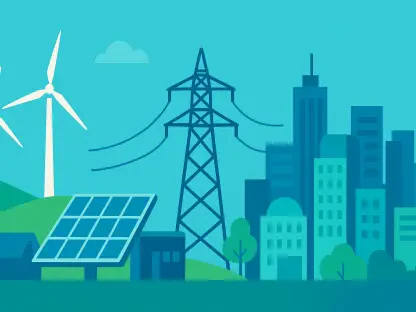

The rapid expansion of solar infrastructure in the Hellenic Republic has reached a critical inflection point where oversupply during peak daylight hours is driving wholesale electricity prices toward zero or even negative territory. This phenomenon, often referred to as price cannibalization, threatens the financial viability of independent power producers who rely on steady revenue streams to service high levels of debt acquired during initial construction phases. Without significant regulatory intervention, the success of the nation’s green transition could ironically lead to a cascade of bankruptcies among renewable energy firms. The Greek Ministry of Environment and Energy has recognized this systemic risk and initiated legislative amendments designed to stabilize the market. These changes aim to balance aggressive decarbonization targets with the economic realities of a power grid that lacks the storage capacity to handle the sheer volume of photovoltaic generation occurring during midday intervals.
Market Saturation: Reforming Compensation Structures
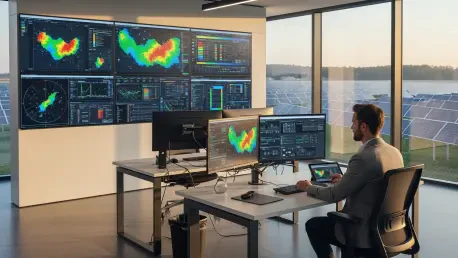
Central to the new policy framework is a shift in how the Greek government manages mandatory curtailments and the distribution of feed-in premiums. Previously, producers were often guaranteed certain levels of compensation regardless of whether their energy could be physically accommodated by the grid, but the sheer volume of new installations has made this model unsustainable. To mitigate this, the Ministry has introduced tiered compensation structures that prioritize projects equipped with advanced monitoring and remote control systems, allowing for more precise management of surplus energy. Furthermore, the amendments establish a clearer legal basis for non-compensated curtailment during periods of extreme oversupply, providing producers with a more predictable, albeit tighter, financial outlook. By quantifying the risks associated with grid congestion, the government allows investors to better price their assets and avoid the sudden liquidity crises that have plagued the sector over the last fiscal year.
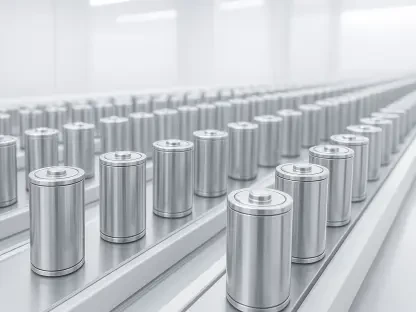
Beyond immediate market stabilization, the revised regulations place a significant emphasis on the rapid deployment of battery energy storage systems to capture excess solar production for later use. New licensing requirements now incentivize the inclusion of storage units in large-scale photovoltaic projects to ensure that renewable energy can be dispatched during evening peaks when prices are higher and demand is greatest. This transition from standalone solar to integrated energy hubs represents a fundamental shift in the Greek energy landscape, moving away from a “produce and pray” model toward a demand-driven approach. Financial support mechanisms have also been repurposed to favor developers who invest in these hybrid systems, effectively de-risking the capital expenditure required for lithium-ion technologies. This strategic pivot not only protects the profit margins of existing producers by reducing their exposure to midday price crashes but also enhances the overall resilience and stability of the national interconnected transmission system.
Grid Resilience: Incentivizing Storage and Diversification
The long-term stability of the Greek solar market depends heavily on maintaining investor confidence through transparent and consistent policy application across the entire Mediterranean region. As Greece continues to position itself as a regional energy hub, the successful implementation of these amendments serves as a potential blueprint for neighboring countries facing similar challenges with high solar penetration. The move toward market-based mechanisms, such as power purchase agreements that incorporate price floors, provides a safety net for producers without placing an undue burden on the public treasury. Large institutional investors are already beginning to favor projects that demonstrate a clear path to profitability without total reliance on government subsidies, signaling a maturation of the renewable energy industry. This evolution ensures that the transition toward a zero-emission economy remains economically grounded, preventing the boom-and-bust cycles that have historically characterized nascent technology sectors during their rapid expansion phases.
Looking back at the recent legislative adjustments, it became evident that the Greek government prioritized structural longevity over short-term political gains by enforcing more rigorous operational standards. Stakeholders across the energy sector were forced to adapt by optimizing asset management strategies and investing in digital grid-management software to minimize revenue loss during peak curtailment windows. These proactive measures successfully prevented a widespread insolvency crisis while simultaneously accelerating the modernization of the aging electrical infrastructure. Moving forward, developers were encouraged to explore geographical diversification and diversify their energy portfolios to include wind or hydroelectric power. The focus shifted toward cross-border interconnections and the development of a competitive intraday market, which allowed for the efficient export of surplus green energy. By grounding the regulatory framework in economic reality, the ministry ensured that the path to a sustainable energy future remained both technically feasible and financially robust.