
The rapid maturation of the energy storage market has fundamentally altered the risk profile of utility-scale operations by delivering a massive reduction in technical incidents. Recent data indicates that the energy landscape is undergoing a radical transformation as battery energy storage systems (BESS) become the backbone of a decarbonized power grid. A groundbreaking analysis reveals a stunning 98% decrease in global battery failure rates on a per-gigawatt-hour basis when comparing the period from 2018 to 2025. This transition marks the end of an era defined by high-risk experimentation and the beginning of a phase focused on sophisticated, utility-scale reliability. The following analysis explores the technical shifts and safety protocols that have driven this progress.
Historical Context: The Evolution of Lithium-Ion Technology
In the early days of stationary energy storage, the technology was often viewed through a lens of skepticism due to high-profile thermal runaway incidents. Historically, the industry lacked standardized safety codes, leading to an environment where systems were commissioned without the benefit of today’s rigorous fire safety science. These early installations, while foundational to the industry’s growth, operated in a regulatory vacuum before the implementation of critical modern standards. Understanding this history is vital because it explains the current vintage gap in the market, where a small percentage of older systems account for a disproportionate amount of risk compared to modern, highly engineered arrays.
Assessing the Maturity of Modern Battery Infrastructure
The dramatic improvement in safety profiles suggests that lithium-ion technology has finally reached industrial maturity. No longer considered experimental, these systems are now demonstrating the consistent uptime required to support mission-critical utility operations, effectively silencing critics who argued that battery technology was too volatile for mainstream integration.
Bridging the Reliability Gap: BESS and Traditional Grid Components
The most significant finding in recent market analysis is that modern battery systems have achieved a failure rate parity with traditional electrical infrastructure. Currently, the annual failure rate for BESS sits between 0.04% and 0.14%, aligning it closely with the 0.1% failure rate typically seen in oil-filled electrical transformers. This statistical milestone proves that the sector has stabilized significantly. Moreover, the failure rate plummeted by 50% just between 2024 and 2025, showing that the learning curve is still yielding rapid improvements as deployment scales up globally.
The Critical Role: Evolving Safety Standards and NFPA 855
The drop in failure rates is largely attributed to the adoption of sophisticated safety protocols and hardware requirements. The introduction of NFPA 855 provided a much-needed framework for the installation and management of stationary storage, focusing on gas detection and fire suppression. Newer systems benefit from lessons learned during earlier high-profile incidents, such as the 2019 Arizona explosion. Today’s installations are designed with a focus on preventing propagation, which ensures that a failure in a single cell or module does not trigger a catastrophic chain reaction across the entire facility.
Analyzing the High-Risk Legacy: Pre-2021 Installations
While the global outlook is positive, a stark contrast exists between newer systems and those commissioned before 2021. This legacy fleet, representing only about 3% of total global capacity, remains the primary source of safety concerns. These older units were built before the widespread use of flammable gas detectors and advanced thermal management. Consequently, they require much higher levels of maintenance and frequent risk assessments. In many cases, these aging assets are being retrofitted with modern sensors or, if the cost of upgrades is prohibitive, being decommissioned early to prevent potential liability.
Future Trends: Energy Storage Design and Regulation
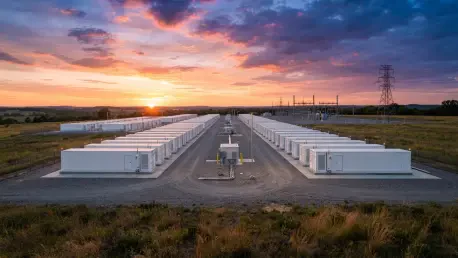
Looking ahead, the industry is shifting toward outdoor modular configurations, which have proven significantly safer than large-scale indoor facilities. Future innovations are expected to focus on intelligent battery management systems that use machine learning to predict cell degradation before a failure occurs. On the regulatory front, more regions are adopting the New York model, where developers fund independent, third-party technical reviews to assist local permitting authorities. This trend will likely streamline the deployment of BESS while ensuring that local safety concerns are addressed through expert verification rather than political debate.
Strategic Recommendations: Owners and Operators
To capitalize on the current reliability of BESS technology, businesses and utilities must adopt a proactive management strategy. For those operating newer assets, maintaining the integrity of fire suppression systems and adhering to manufacturer-specified thermal limits is paramount. For those managing older fleets, a thorough audit of gas detection and ventilation capabilities is necessary. If a system lacks the structural design to allow for safe deflagration venting, operators should weigh the cost of retrofitting against the potential risks. Implementing standardized monitoring and investing in firefighter training for local departments remain essential best practices for all current and future storage projects.
Final Considerations: The Path to Grid Resilience
The energy storage sector successfully navigated its most difficult growing pains by prioritizing engineering rigor over rapid deployment. Stakeholders moved away from reactive maintenance and embraced a culture of safety-first design that redefined the reliability of the global grid. This transition confirmed that the vast majority of the global fleet operated as a safe, indispensable component of modern energy security. Organizations that integrated advanced gas analytics and third-party technical reviews secured a competitive advantage in the permitting process. Ultimately, the industry established a new benchmark for performance that allowed for the seamless integration of renewable energy across all major utility markets.