
The rapid expansion of India’s electric highway network represents a pivotal shift in the nation’s logistics and mobility landscape, yet it introduces complex safety challenges that traditional infrastructure struggles to address. As high-speed electric vehicles begin to dominate these newly paved corridors, the sheer diversity of road users—ranging from heavy-duty commercial haulers to smaller commuter cars—creates a volatile environment where human error can lead to catastrophic consequences. Integrating artificial intelligence into these systems provides a layer of oversight that operates at speeds beyond human capability, identifying hazards before they manifest as accidents. This technological overlay is not merely a luxury but a fundamental requirement for maintaining order on stretches of road that span thousands of kilometers. By leveraging real-time data from sensors and cameras, the system transforms a passive asphalt route into an active, intelligent environment capable of protecting every traveler who enters its sphere of influence. This shift is essential for national progress.
Intelligent Monitoring: The Eyes of the Highway
Computer Vision and Object Detection at the Edge
Deploying advanced computer vision systems along stretches like the Delhi-Mumbai Expressway allows for the immediate identification of hazards that would otherwise go unnoticed by human operators in a control room. These systems use high-definition cameras coupled with edge computing units, such as the NVIDIA Jetson platform, to process visual data locally without the need for constant cloud connectivity. This localized processing is crucial for detecting wrong-way driving, stray animals on the tarmac, or stationary vehicles that present an immediate collision risk. By categorizing objects in real-time, the AI can trigger localized alerts to oncoming drivers through digital signage or direct vehicle-to-infrastructure (V2I) communication channels. This proactive approach significantly reduces the time between an incident occurring and the notification reaching those most at risk. Furthermore, the ability to track multiple objects simultaneously ensures that even in dense traffic, the safety perimeter remains intact and effective. It provides a persistent watch that never tires.
Predictive Analytics for Proactive Traffic Management
Beyond simple detection, AI safety technology incorporates predictive analytics to forecast potential bottlenecks and high-risk conditions before they actually manifest on the electric highway. By analyzing historical traffic patterns, current weather conditions, and real-time speed data, these algorithms can suggest dynamic speed limit adjustments to prevent the ripple effect of sudden braking. This is particularly important for electric vehicles, which often rely on regenerative braking systems that can behave differently in adverse weather or during high-speed emergency maneuvers. The integration of AI allows for a more fluid movement of traffic, reducing the likelihood of rear-end collisions which are common on high-speed corridors. When the system identifies a high probability of a slowdown, it can preemptively reroute traffic or adjust toll gate access to maintain a steady flow. Such a level of coordination ensures that the highway operates as a synchronized ecosystem rather than a series of disconnected segments, enhancing both safety. This holistic view is the standard for modern road management.
Infrastructure Resilience: Securing the Energy Network
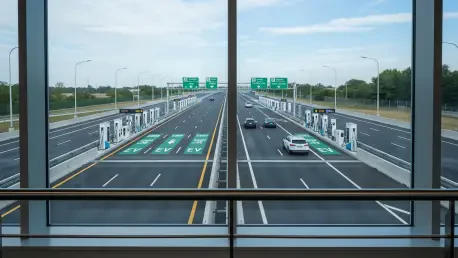
Management of High-Capacity Charging Systems
The security of India’s electric highways is inextricably linked to the stability of the charging infrastructure that powers the vehicles traveling across them. AI plays a critical role here by monitoring the health of charging stations and the local grid to prevent catastrophic failures or electrical fires that could endanger users. Predictive maintenance models analyze thermal data and usage patterns to identify components at risk of overheating or mechanical wear, allowing for repairs before a failure occurs. Moreover, as massive fleets of electric trucks begin to utilize high-capacity chargers, the AI manages the load distribution to avoid straining the regional power grid. This ensures that the energy supply remains consistent and that charging stations do not become points of vulnerability during peak travel periods. By maintaining the integrity of the energy supply chain, AI safeguards the operational continuity of the highway network. This systematic oversight prevents outages from spiraling into safety hazards that could strand motorists in remote areas.
Integration and Long-Term Strategic Implementation
The successful pilot programs implemented along the primary transit corridors provided a blueprint for the nationwide rollout of these advanced safety technologies. To maximize the effectiveness of these systems, stakeholders prioritized the standardization of data protocols between different vehicle manufacturers and infrastructure providers. Government agencies worked closely with private tech firms to ensure that the artificial intelligence models remained updated against evolving road conditions and cyber threats. Investment was directed toward localized training for maintenance crews to handle specialized edge computing hardware effectively. Furthermore, the integration of public-private partnerships facilitated the rapid scaling of the sensor network across rural stretches of the highway. These collective actions ensured that the transition to electric mobility was accompanied by a significant reduction in fatal incidents. The focus shifted toward continuous monitoring and iterative improvements to maintain the high standard of safety established during the initial phases of the project.