
The Galaxy AI data center campus now utilizes a fully integrated 800V DC system to handle the massive surge in local electricity requirements. This deployment represents a pivotal moment in the global race to sustain high-performance computing without overwhelming national grids. As artificial intelligence models grow in complexity, the hardware supporting them consumes power at an unprecedented rate, with industry forecasts projecting a staggering one hundred sixty percent increase in energy demand from 2026 to 2030. Traditional electrical architectures, designed for less intensive applications, are struggling to keep pace with these modern cooling and processing needs. By shifting to a direct current foundation, the campus in Ulanqab demonstrates how high-voltage engineering can alleviate the physical and thermal constraints that once limited server density. This implementation signifies the beginning of a broader industrial transition away from legacy systems that lose significant energy during conversion.
Revolutionizing Power Architecture: From Grid to Server
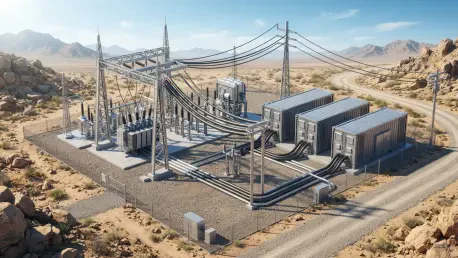
The primary technical advantage of this 800V DC architecture lies in its ability to streamline the path from the power grid to the processor. Historically, data centers have relied on multiple stages of transformation, converting high-voltage alternating current from the utility provider into lower voltages, and eventually into the direct current required by servers. Each step in this process creates energy leakage in the form of heat, which in turn requires more power to dissipate through expensive cooling systems. The new integrated system developed by Envision Energy bypasses these inefficiencies by taking a 10-kilovolt medium-voltage input and converting it directly to 800V DC. This reduction in conversion layers not only improves the overall energy efficiency ratio but also significantly minimizes the volume of copper cabling needed across the facility. By eliminating bulky intermediate transformers, operators can reclaim floor space, allowing for a higher concentration of AI accelerators.
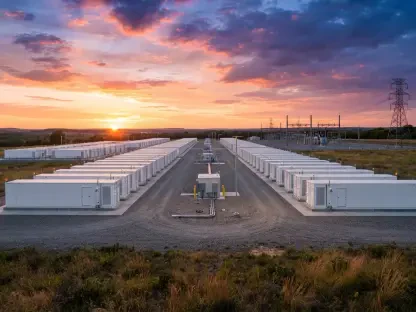
Beyond the physical layout, the integration of solid-state transformers and advanced battery energy storage systems ensures a level of stability that was previously unattainable. AI workloads are notoriously erratic, characterized by sudden and intense spikes in computational activity that can strain traditional power supplies to the breaking point. To manage these fluctuations, the Galaxy campus utilizes the Dubhe Controller, an intelligent management system powered by a sophisticated energy foundation model. This software-driven approach allows the facility to respond to changes in power demand within milliseconds, balancing the load between the grid and onsite storage to prevent voltage drops or hardware failures. Such precision is essential for the continuous training of large language models, where even a momentary power instability can result in catastrophic data loss. The move toward software-defined power creates a flexible environment where hardware and energy management operate in perfect synchronization.
Sustainable Computing: Harnessing Renewable Resources at Scale
Integrating large-scale renewable energy sources into high-density computing environments remains a significant hurdle for the tech industry. The Mission Gobi initiative addresses this by positioning data centers in remote, resource-rich regions where wind and solar energy are abundant. By 2030, the goal is to have these campuses sourcing over eighty percent of their electricity from green energy, effectively decoupling the growth of artificial intelligence from carbon-intensive power generation. The 800V DC system is well-suited for this transition because it simplifies the connection to renewable microgrids, which naturally generate direct current. When the generation and consumption of energy both happen in DC, the need for complex inverters is removed, further boosting the total system efficiency. This strategy provides a blueprint for a decentralized global network of green AI hubs that can operate independently, ensuring that the environmental cost of digital advancement does not outweigh the societal benefits.
The successful commercial deployment of 800V DC technology proved that the industry could overcome the traditional barriers of heat and inefficiency. While legacy data centers once prioritized low-cost components over long-term sustainability, the shift toward integrated power-compute coordination demonstrated that high-voltage direct current was the most viable path for the next decade of infrastructure growth. Stakeholders should now prioritize the retrofitting of existing facilities and the standardization of high-voltage DC components across the global supply chain to accelerate this transition. Future designs must incorporate even tighter integration between local energy storage and server-level power delivery to maximize the benefits of renewable inputs. As the demand for generative intelligence continued to expand, the focus moved toward creating modular and scalable power systems. This engineering milestone confirmed that a holistic approach to energy management was necessary to support massive computational needs.