
The sprawling expanse of the Asia-Pacific region is currently witnessing an unprecedented transformation as nations aggressively pivot toward integrated solar photovoltaic systems and high-capacity energy storage solutions to redefine their industrial landscapes. By mid-2026, the territory has solidified its position as a preeminent global leader in clean energy deployment, fueled by a sophisticated convergence of international financial instruments, corporate vision, and colossal infrastructure initiatives. This massive transition extends far beyond the mere addition of generation capacity; it represents a comprehensive overhaul of the underlying architecture that governs how electricity is produced, stored, and distributed across diverse economic zones. From emerging island economies to industrial powerhouses, the push for energy security has necessitated a departure from fossil fuels. This systemic redesign is supported by a robust framework of cross-border collaboration and technological innovation today.
Democratizing Power through Grid Modernization
Sri Lanka is currently setting a remarkable precedent for energy democratization by prioritizing virtual net metering as a primary mechanism to expand access for populations unable to install traditional rooftop solar systems. This initiative, which receives significant backing from the Asian Development Bank, focuses on aggregating energy generated from large-scale commercial rooftop installations and distributing corresponding financial credits to individual households and small enterprises. By utilizing a utility-led framework, the country effectively bridges the gap between large-scale generation and decentralized consumption, ensuring that the socioeconomic benefits of the renewable transition are distributed equitably across the demographic spectrum. Such a model not only incentivizes the private sector to maximize available roof space but also provides a predictable pathway for grid modernization in regions that were previously underserved by conventional infrastructure today.
In the Philippines, the energy landscape is undergoing a profound reconfiguration characterized by the rapid scaling of solar capacity and the strategic repurposing of legacy fossil fuel infrastructure. Major energy developers are increasingly focusing on converting decommissioned thermal power plant sites into sophisticated battery energy storage systems (BESS) designed to stabilize the regional grid and manage intermittent supply. This dual-pronged strategy addresses the inherent variability of solar generation while simultaneously reinforcing the existing transmission network, which is vital for maintaining a reliable power supply as coal-fired assets are phased out of the national mix. By integrating these massive storage units into the grid, the nation is better equipped to handle the fluctuations of renewable energy, thereby meeting ambitious national decarbonization targets without compromising industrial output. The transition from high-emission combustion is a pragmatic approach.
Mobilizing Capital for Corporate Renewable Integration
The financial architecture supporting the Asia-Pacific energy shift has become remarkably sophisticated, as evidenced by the widespread adoption of mezzanine financing to accelerate the development of massive renewable energy pipelines. Global institutional investors are no longer viewing solar and storage as niche ventures; instead, these technologies are now treated as primary asset classes that demand high-volume, flexible capital structures to thrive. This influx of diversified funding allows independent power producers to navigate the transition from project development to full-scale commercial operation with a level of speed and scale that was previously unattainable. By utilizing mezzanine debt, developers can bridge the gap between equity and senior debt, optimizing their capital stacks and allowing for the simultaneous execution of multiple gigawatt-scale projects. This evolution in the financial sector is crucial for sustaining the momentum of the clean energy transition today.
Malaysia is currently establishing a unique position within the regional green transition by explicitly linking renewable energy expansion with the exponential growth of its burgeoning technology sector. The nation has successfully implemented virtual power purchase agreements (VPPAs) that allow high-demand data centers to offset their massive energy consumption by procuring solar power directly from large-scale generation facilities. This synergy between digital infrastructure and clean energy production is setting a new regional benchmark for how corporate entities can take a leading role in driving national decarbonization efforts through direct market participation. As global tech giants continue to expand their physical footprints in Southeast Asia, the availability of these green power mechanisms becomes a significant competitive advantage, attracting high-value investment while simultaneously funding the construction of new solar farms. This model effectively bypasses traditional grid constraints.
Scaling Resilience with International Alliances
South Korea’s strategy for energy independence revolves around the formation of powerful strategic alliances between international investment firms and domestic engineering giants, focusing on long-term infrastructure development. These joint ventures are currently tasked with deploying several gigawatts of integrated solar and battery storage assets from 2026 to 2029 to meet the government’s aggressive renewable energy targets. By blending the deep pockets of international capital with local expertise in navigating complex site acquisition and environmental permitting processes, the country is overcoming the multifaceted challenges inherent in large-scale energy transitions. This collaborative approach ensures that projects are not only technically sound but also financially resilient, providing a stable platform for the integration of innovative technologies like high-density storage. As these alliances mature, they are creating a robust supply chain and a specialized workforce, positioning the nation as a hub.
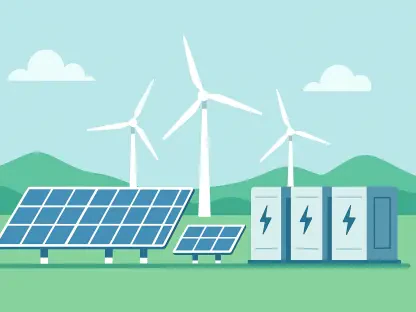
Australia continues to push the envelope of energy storage capabilities by integrating massive behind-the-meter battery systems directly into large-scale solar farms across its vast territory. This configuration allows for highly efficient load balancing and provides a vital buffer for the national electricity market as it navigates the inherent variability associated with a high-penetration renewable grid. As the nation accelerates its departure from coal-fired power, these large-scale storage projects are becoming the literal foundation of a resilient and modern grid capable of supporting a high-demand economy. The implementation of these advanced storage solutions allows solar operators to capture excess energy during peak production periods and release it during times of high demand, effectively smoothing out the price volatility that often accompanies the transition to clean energy. This focus on integrated storage not only enhances the reliability of the power supply but also reduces the need for expensive traditional grid upgrades today.
Strategic Path for Regional Energy Sovereignty
The rapid evolution observed across the Asia-Pacific region demonstrated that the integration of solar and storage was no longer a theoretical pursuit but a realized industrial standard. Stakeholders across the continent moved beyond simple capacity expansion and instead focused on the creation of interconnected, resilient energy markets that prioritized both stability and equity. The transition required a total commitment to dismantling legacy systems and replacing them with flexible, technology-driven architectures that responded to real-time demand. For future progress, the continued harmonization of regional policy frameworks became essential to facilitate the seamless trade of green energy across national borders. Decision-makers prioritized the expansion of local manufacturing capabilities for storage components to mitigate supply chain risks and ensure long-term energy sovereignty. This was achieved by establishing regional centers of excellence for battery production and development.
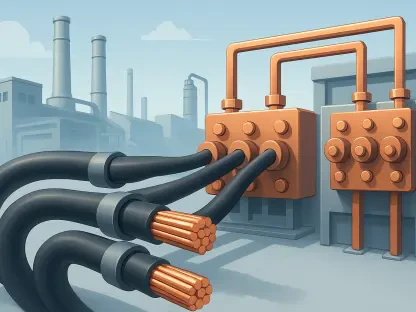
By investing in specialized grid management software and workforce retraining, the region prepared for an era where renewable assets acted as the primary drivers of economic growth. This proactive stance ensured that the infrastructure built during this period served as a permanent foundation for a sustainable and prosperous future. Moving forward, the focus shifted toward the implementation of long-duration energy storage technologies and the integration of green hydrogen as a secondary storage medium. This evolution required persistent cross-sector collaboration to align industrial output with fluctuating energy availability. Strategic investments in undersea transmission cables also allowed for the creation of a regional super-grid, enabling the transfer of solar abundance from one sub-region to another based on peak demand cycles. These actions solidified the region’s autonomy in the global energy market. The successful orchestration of these complex systems provided a definitive roadmap.