
Analyzing the Transition Toward High-Density Bio-Fuels
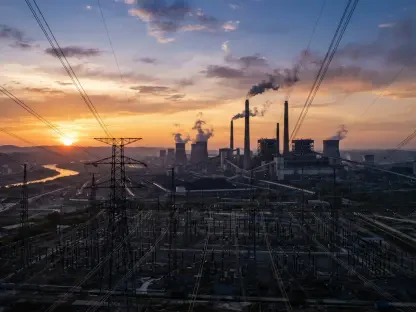
Transforming discarded agricultural husks and forestry debris into potent energy bricks represents one of the most practical shifts toward a greener industrial future. The core of this transition lies in the sophisticated conversion of underutilized organic waste into high-density fuel sources that can directly compete with traditional coal. By utilizing materials such as rice husks, sawdust, and corn stalks, the energy sector addresses the dual challenge of waste management and the urgent demand for renewable power.
Beyond simple waste reduction, this movement focuses on the critical mitigation of greenhouse gases by providing a carbon-neutral alternative to fossil fuels. As heavy industries seek to lower their environmental impact, these compressed bio-fuels offer a reliable way to maintain high thermal output while significantly reducing sulfur and nitrogen emissions. This shift is not merely about substitution but about reimagining the lifecycle of biological resources to create a more resilient energy framework.
The Strategic Shift in the Global Energy Landscape
The global energy market is currently witnessing a profound transformation, with the valuation of biomass briquettes projected to climb from approximately $1.58 billion in 2026 to $2.67 billion by 2033. This steady expansion highlights a broader strategic pivot toward localized and sustainable fuel production. As nations tighten their carbon regulations, the demand for densified biomass has transitioned from a niche interest to a primary component of national energy security strategies.
This growth is deeply intertwined with the development of a circular economy, where every byproduct of the agricultural cycle is fed back into the industrial loop. By establishing a market for waste, countries can decrease their reliance on imported fossil fuels and foster domestic energy independence. The strategic importance of this research lies in its ability to map how these economic shifts will reshape industrial operations over the next seven years.
Research Methodology, Findings, and Implications
Methodology
The research employed a multi-faceted approach to evaluate the trajectory of the biomass market, specifically focusing on compound annual growth rates and the rate of technological adoption across various industrial sectors. Analysts gathered data from manufacturing hubs and energy departments to assess how quickly facilities are transitioning from traditional solid fuels to bio-based alternatives. This included a deep dive into the operational efficiencies of different production techniques.
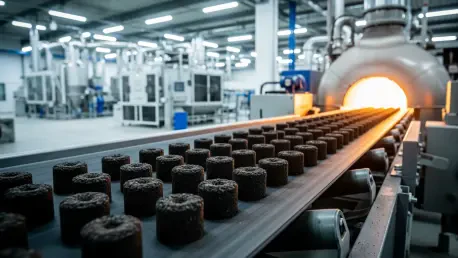
Furthermore, the study scrutinized the mechanical nuances of manufacturing processes, comparing the durability and energy output of products created via high-pressure piston and screw press technologies. By evaluating the maintenance costs and throughput of these machines, the methodology provided a clear picture of the economic viability of large-scale briquette production. This technical assessment ensured that the findings were rooted in practical industrial realities rather than just theoretical projections.
Findings
The investigation revealed a robust compound annual growth rate of 8.1%, a trend largely propelled by supportive government mandates and the increasing popularity of co-firing in industrial boilers. Co-firing allows power plants to blend biomass with coal, facilitating a smoother transition to renewables without requiring a total overhaul of existing infrastructure. This discovery suggests that the bridge to a cleaner future is already being built within current industrial frameworks.
Innovation in production hardware has also played a pivotal role, particularly through the implementation of automated feeding systems and advanced moisture control sensors. These technological refinements have significantly increased the calorific value of the briquettes, making them a more efficient and predictable fuel source. As the consistency of the product improved, so did the confidence of industrial consumers who require stable thermal performance for their manufacturing processes.
Implications
The findings carry significant economic weight, particularly for rural populations where agricultural residues are abundant. By creating a commercial value for what was previously burned in open fields, the biomass industry provides new, stable income streams for farming communities. This economic boost serves as a catalyst for rural development, turning environmental stewardship into a profitable venture for small-scale landholders.
In a broader industrial context, the use of these briquettes offers a practical solution for reducing the carbon footprint of sectors that are notoriously difficult to decarbonize, such as cement and brick manufacturing. These industries require intense heat that solar or wind power cannot always provide efficiently. Consequently, biomass briquettes represent a vital tool for meeting immediate climate goals while maintaining the structural integrity of heavy industrial production.
Reflection and Future Directions
Reflection
A critical reflection on the current market state highlights the persistent tension between high initial capital expenditures and the undeniable long-term benefits of sustainable fuel production. While the environmental advantages are clear, the cost of setting up sophisticated briquetting plants remains a significant barrier for many potential producers. Balancing these upfront costs with the eventual operational savings is a central challenge for the widespread adoption of this technology.
Moreover, the scalability of the market is frequently hindered by inconsistent raw material supplies and logistical bottlenecks in collecting dispersed agricultural waste. These obstacles often influence the stability of the market, as seasonal variations in crop yields can lead to fluctuations in fuel availability. Addressing these supply chain vulnerabilities was a key takeaway from the analysis of current market operations.
Future Directions
Looking ahead, further exploration into cost-effective production scaling is essential to make this technology accessible to a wider range of small-scale producers. Developing modular, mobile briquetting units could allow for processing closer to the source of the waste, thereby reducing transportation costs and improving the overall efficiency of the supply chain. This localized approach could democratize the production of bio-fuels and accelerate global transition efforts.
There was also a recognized need for targeted awareness campaigns and technical training in underdeveloped regions to drive the global adoption of biomass energy. By providing local stakeholders with the knowledge and tools to implement these systems, the international community can ensure that the benefits of the circular economy are shared globally. Strengthening policy frameworks to incentivize the collection of waste will be a necessary next step.
Final Perspective: Biomass Briquettes as a Pillar of the Circular Economy
The refinement of manufacturing technology and the introduction of strategic policy incentives have effectively positioned biomass briquettes as a cornerstone of the modern energy transition. As industrial sectors sought more reliable ways to phase out fossil fuels, the integration of high-density bio-fuels offered a tangible and scalable path forward. The progress observed in moisture control and automated production systems solidified the role of biomass as a competitive energy source.
The transition toward a low-carbon economy by 2033 appeared increasingly feasible as these eco-friendly solutions were integrated into global supply chains. By converting waste into a valuable commodity, the industry not only addressed environmental concerns but also fostered economic resilience in rural and industrial zones alike. Ultimately, the commitment to technological and logistical improvements ensured that biomass briquettes remained a pivotal element in the pursuit of global sustainability.