
The rapid expansion of artificial intelligence has created an insatiable appetite for electricity that the aging American power grid is currently unable to satisfy without significant and costly upgrades. This tension has forced technology conglomerates to seek alternative solutions, leading to the rise of captive, natural gas-fired power plants situated far from the public eye. These facilities operate independently from the regional transmission organizations that typically manage energy flow, allowing data center operators to bypass the bureaucratic bottlenecks of the traditional utility sector. This shift toward off-grid energy generation introduces a complex web of challenges, as industrial-scale infrastructure begins to encroach on rural and residential landscapes. The move is a fundamental transformation of how energy is produced, prioritizing the immediate needs of large-scale computing over established protocols for public participation and environmental oversight.
Government Support and Regulatory Acceleration
Legislative Tactics: Streamlining Industrial Construction
States like Ohio and West Virginia have emerged as the vanguard of this movement by implementing aggressive new regulations designed to minimize the time between project conception and groundbreaking. In these jurisdictions, recently enacted statutes have slashed the typical multi-year approval process down to a mere 45 days for certain classes of industrial energy projects. This legislative shift effectively removes the standard hurdles of public hearings and detailed zoning reviews that have traditionally given local communities a voice in the development of their surroundings. By categorizing these off-grid plants as essential infrastructure for the digital economy, state lawmakers are providing a clear path for tech firms to secure permits with unprecedented speed. This regulatory streamlining is often framed as a necessary step for economic competitiveness, yet it fundamentally alters the power dynamic between corporate entities and the citizens who must live nearby.
The acceleration of construction timelines is further facilitated by the use of streamlined environmental assessments that focus more on rapid deployment than on long-term ecological consequences. Under these new frameworks, developers can often obtain preliminary work orders before full environmental impact studies are completed, a practice that was once reserved for emergency situations. This “build now, review later” approach serves the immediate interests of the AI sector, which requires vast amounts of cooling and computing power to maintain global leadership in machine learning. However, the lack of thorough vetting can lead to unforeseen issues with groundwater usage and local noise pollution that only become apparent after the facility is operational. For rural communities, this means that the familiar landscape can be transformed into an industrial zone in the span of a single season, leaving little room for negotiation or the establishment of meaningful community benefit agreements.
Global Competition: The Push for AI Supremacy
At the federal level, the push for AI supremacy has led to a bipartisan consensus that treats computing infrastructure as a vital component of national security. Government agencies are increasingly using their authority to fast-track energy projects that support large-scale data centers, citing the need to outpace international rivals in the race for advanced technological capabilities. This strategic prioritization often manifests as specialized grants or expedited federal permits that allow off-grid gas plants to bypass the rigorous scrutiny of the National Environmental Policy Act. By framing the energy needs of the tech industry as a matter of geopolitical importance, policymakers are able to justify the bypass of traditional regulatory safeguards. This creates a scenario where the growth of the AI industry is viewed through a lens of national survival, making local objections seem secondary to the broader goal of maintaining technological dominance. Consequently, the oversight that usually governs power generation is reconfigured.
This federal support extends into the financial sector, where incentives are being offered to developers who can bring large-scale power online with minimal delay. Investment firms and tech giants are working in tandem to leverage these incentives, creating a pipeline of energy projects that are often shielded from public view until they are nearly complete. The integration of private capital with federal mandates has created a powerful engine for infrastructure growth, but it has also led to a significant decrease in transparency. When energy projects are tied to national security objectives, information regarding their scale, fuel consumption, and operational parameters is often classified or protected under non-disclosure agreements. This lack of transparency makes it difficult for environmental advocates and local governments to assess the cumulative impact of dozens of new gas plants appearing across the country. The focus remains steadfastly on output to fuel the next generation of neural networks.
Environmental Impacts and Community Safety
Public Health: The Localized Consequences of Fossil Fuels
The reliance on natural gas as a primary fuel source for these off-grid facilities represents a sharp departure from the national trend toward decarbonization. While the public grid has made significant strides in integrating wind and solar energy, these private power plants are tethered to fossil fuels to ensure the 24/7 reliability required by high-performance computing. The combustion of natural gas in these decentralized units releases significant quantities of nitrogen oxides and fine particulate matter, which are known to exacerbate respiratory conditions like asthma and chronic bronchitis. Because these plants are often built in clusters to serve massive data center campuses, the localized concentration of pollutants can reach levels that far exceed regional averages. Health experts are increasingly concerned that the sudden introduction of these emissions into previously low-industrial areas will lead to a spike in cardiovascular issues among nearby residents as the air quality degrades over time.
Beyond air quality, the operation of large-scale gas turbines requires significant quantities of water for cooling purposes, which can strain local aquifers and impact agricultural productivity. In many rural areas where these plants are being sited, water rights are a sensitive issue, and the sudden arrival of a high-volume industrial consumer can lead to dropping water tables and increased costs for local farmers. The environmental footprint of these projects is not limited to the site itself; it extends to the network of pipelines and storage facilities needed to transport and hold the fuel. This expanding infrastructure creates a fragmented landscape where natural habitats are bisected by industrial corridors, disrupting local wildlife and degrading the overall quality of life for the community. Despite the high-tech nature of the AI industry, its physical foundation remains deeply rooted in traditional industrial processes that carry heavy environmental costs that are often externalized to the surrounding ecosystem.
Community Betrayal: The Erosion of Local Governance
Residents in areas targeted for off-grid power development frequently report a sense of profound betrayal when they discover that their neighborhoods have been reclassified as industrial zones without their consent. The use of shell companies and vague project titles allows developers to secure land and initial permits before the true nature of the facility is revealed. By the time the community becomes aware that a massive gas plant is being built next to a school or a quiet residential street, the legal and physical momentum of the project is often unstoppable. This practice effectively silences the voices of those most impacted, creating a climate of distrust between local citizens and the technology companies that claim to be building a better future. For many families, their homes represent their largest financial and emotional investment, and the sudden encroachment of heavy industry can lead to a decline in property values and a loss of personal safety that is rarely addressed.
Safety concerns are further compounded by a lack of coordinated emergency response planning between private plant operators and local fire and rescue services. Unlike public utilities, which are required to share detailed safety data and conduct joint training exercises with local authorities, these captive power plants often operate with a high degree of autonomy. In the event of a gas leak or an industrial fire, local first responders may find themselves ill-equipped to handle the scale and complexity of the situation without prior knowledge of the facility’s internal layouts and chemical inventories. The speed at which these plants are constructed also means that traditional safety inspections may be rushed or bypassed entirely, increasing the risk of operational failures. This environment of secrecy and rapid deployment leaves many feeling that their well-being has been sacrificed in favor of corporate growth and technological expediency despite the economic promises made by the developers.
Strategic Path: Toward a Sustainable Energy Future
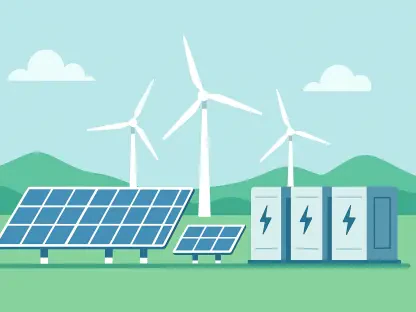
The strategic path toward sustainable energy required a collaborative effort that eventually redefined the relationship between the tech sector and the communities it inhabited. Industry leaders recognized that the long-term viability of AI infrastructure depended on more than just electrical output; it demanded a commitment to public health and ecological integrity. By shifting toward hybrid power models that paired natural gas with carbon sequestration and battery storage, companies mitigated the most severe environmental impacts of their off-grid facilities. Legislative bodies also played a crucial role by restoring the transparency and public participation that had been momentarily bypassed during the initial boom. These actions fostered a more stable environment for innovation, where the benefits of artificial intelligence were not overshadowed by the costs of its production. Ultimately, the industry moved toward a balanced paradigm that respected both the urgency of the digital economy and the rights of citizens.