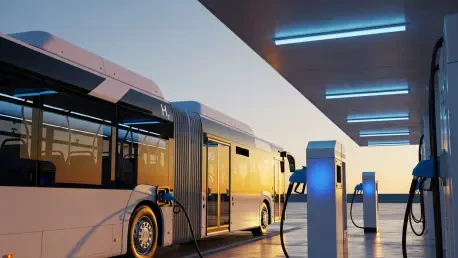

Bhubaneswar is currently spearheading a monumental shift toward zero-emission transit where the familiar rumble of diesel engines is being replaced by the near-silent whisper of hydrogen-powered propulsion systems. This strategic initiative marks a departure from conventional internal combustion engines, focusing instead on a future where public transport contributes to ecological restoration rather than atmospheric degradation. By adopting hydrogen fuel cell technology, Odisha is establishing a sophisticated localized solution that addresses the urgent global carbon crisis while providing a cleaner alternative to traditional fossil fuels.
This transition offers distinct advantages over standard battery-electric vehicles, particularly through significantly longer operational ranges and rapid refueling capabilities that mimic the convenience of traditional fuels. The state is not merely upgrading its fleet; it is reinventing the very architecture of urban movement. As this pilot program gains momentum, it positions the region as a primary contender in the global race for sustainable energy leadership and modern infrastructure.
Transforming Urban Transit: A Water-Only Exhaust System
The integration of hydrogen fuel cell technology represents a paradigm shift in how urban centers manage air quality and public health. Unlike traditional buses that release nitrogen oxides and particulate matter, these new vehicles emit only pure water vapor, effectively cleaning the air as they traverse the city. This move represents a decisive end to the era of heavy smog that has long plagued rapidly growing metropolitan areas, offering a vision of urban life that is both mobile and breathable.
By leveraging the high energy density of hydrogen, the state addresses the primary limitations of existing electric bus fleets, such as long charging times and limited performance in heavy traffic. These hydrogen-powered units provide the stamina required for continuous urban cycles without the weight penalties associated with large battery packs. Consequently, the project serves as a technological bridge, proving that environmental responsibility and high-performance logistics can coexist in the same vehicle.
Aligning State Ambition: The National Green Hydrogen Mission
Odisha’s rigorous review of its hydrogen mobility framework acts as a vital regional component of India’s broader climate objectives. This ambitious project is built on a high-stakes partnership between Capital Region Urban Transport, NTPC Limited, and GRIDCO, creating a unified front against fossil fuel dependency. The collaboration ensures that the state’s energy transition is not an isolated experiment but a well-integrated segment of a national strategy to decarbonize the industrial and transport sectors.
The regional necessity for cleaner air serves as a powerful motivator for this shift, particularly as urban populations expand. Beyond the environmental benefits, the project stimulates economic growth by establishing the state as a specialized hub for green energy infrastructure and technical expertise. This alignment between state policy and federal missions ensures that the transition is supported by a robust regulatory and economic foundation, facilitating long-term stability.
Technical Milestones: Pilot Phase Environmental Benchmarks
The foundational blueprint for this green initiative rests on the successful deployment of three advanced hydrogen fuel cell electric buses, which serve as the primary testers for the new technology. A central pillar of this operation is the Pokhariput Depot in Bhubaneswar, which now houses a state-of-the-art refueling station. This facility is engineered to produce 260 kilograms of green hydrogen daily, providing a consistent and locally sourced fuel supply that reduces reliance on external energy imports.
Each bus in the pilot program is designed to cover up to 600 kilometers on a single fill, a distance that significantly exceeds the capabilities of most current electric alternatives. This extended range ensures that even the most demanding urban routes remain operational without the need for midday refueling stops. From an environmental perspective, the project is calculated to eliminate nearly 900 metric tons of carbon dioxide annually, offering a concrete victory for the health of the local ecosystem.
Financial Governance: Multi-Agency Collaboration and Funding
Executing a specialized project of this complexity requires a meticulous financial and administrative structure that combines federal support with regional resources. The total investment for this pioneering effort is estimated at Rs 53.55 crore, utilizing a financial model that shares the burden between the government and industrial stakeholders. A significant portion of this capital is provided through financial assistance from the Ministry of New and Renewable Energy, ensuring the project has the necessary backing to overcome initial research and development costs.
Administrative duties are distributed across several key organizations to ensure operational efficiency and technical precision. NTPC Limited manages the intricate technical requirements of hydrogen production and the maintenance of refueling infrastructure, while GRIDCO oversees the energy supply chain and power subsidies. Simultaneously, Capital Region Urban Transport manages the daily logistics of passenger services, ensuring that the transition to green hydrogen remains seamless and reliable for the general public.
Strategic Framework: Scaling for Future Implementation
State leadership established a comprehensive framework designed to transition the project from a controlled pilot phase to a permanent urban fixture. This strategy prioritized the state’s busiest corridors, focusing on the essential routes that link Bhubaneswar, Cuttack, Khordha, Puri, and Konark. By targeting these high-traffic areas, officials gathered critical data on performance and passenger acceptance while maximizing the visibility of the new technology to encourage broader public support.
The focus for upcoming phases resided in the mitigation of operational risks and the refinement of a sustainable revenue-sharing model. Planners determined that establishing a resilient financial structure was essential to ensure the longevity of the project beyond initial subsidies. By integrating these lessons, the administration fostered a scalable template for clean-energy transit that other regions began to adopt. This initiative successfully laid the groundwork for a future where sustainable mobility became the standard for all urban development.