
Global maritime logistics are undergoing a profound transformation as energy firms prioritize high-efficiency vessels capable of operating on cleaner alternative fuels to meet rigorous environmental mandates. This shift is not merely a trend but a fundamental recalibration of how global commodities move across oceans, where the choice of propulsion technology determines both commercial viability and regulatory compliance. BGN, a global energy and commodities group, recently reinforced this trajectory by commissioning two state-of-the-art dual-fuel gas carriers from HD Hyundai Heavy Industries. This move reflects a broader industry sentiment where leading players invest in infrastructure that bridges the gap between traditional fossil fuels and zero-emission goals. By selecting LPG-fueled propulsion, BGN is positioning itself at the forefront of a logistical revolution that values versatility. These new vessels represent a significant capital commitment to a cleaner maritime future, ensuring that the company remains competitive in a market that increasingly penalizes high-polluting operations.
Strengthening Global Energy Logistics: Fleet Growth
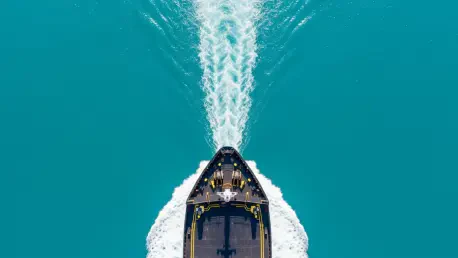
The procurement of these two Very Large Gas Carriers (VLGCs) from HD Hyundai signifies more than just an increase in cargo capacity; it represents a strategic alignment with the world’s leading shipbuilder to secure top-tier maritime assets. Each vessel is designed with a massive carrying capacity of approximately 88,000 cubic meters, specifically tailored to optimize the transport of liquefied petroleum gas across transoceanic routes. The decision to partner with HD Hyundai underscores a commitment to reliability and engineering excellence, as the South Korean shipbuilder remains a dominant force in the high-tech gas carrier segment. These ships are expected to be delivered within a timeline that aligns with BGN’s aggressive expansion goals for the 2026 to 2028 period, allowing the company to meet the surging demand for LPG in emerging markets. By integrating these advanced platforms into their existing fleet, BGN is effectively future-proofing its operations against the volatility of energy prices and the tightening of international shipping regulations.
Expanding a fleet with dual-fuel capabilities allows BGN to navigate the complexities of modern energy trading with greater agility and lower operational risks. As the global energy landscape fluctuates, having vessels that can switch between traditional heavy fuel oil and liquefied petroleum gas provides a crucial buffer against fuel price spikes and localized emissions restrictions. This flexibility is particularly vital for VLGCs, which often operate in sensitive coastal areas and major international ports where environmental standards are strictly enforced. Beyond the immediate economic benefits, the addition of these carriers serves as a testament to the company’s role as a major intermediary in the global energy supply chain. By owning and operating high-specification assets, BGN gains more control over its logistics costs and scheduling, reducing reliance on third-party charters and improving overall service reliability. The integration of such sophisticated vessels ensures that the company can provide stable energy supplies while adhering to the highest safety protocols.
Technical Innovation: The Path to Decarbonization
The engineering heart of these new carriers lies in their dual-fuel propulsion systems, which represent the current pinnacle of commercially viable maritime technology for reducing greenhouse gas emissions. Utilizing LPG as a primary fuel source significantly diminishes the output of sulfur oxides, nitrogen oxides, and particulate matter compared to conventional marine diesel or heavy fuel oils. This technological choice is a deliberate move to stay ahead of the International Maritime Organization’s increasingly stringent carbon intensity indicators. HD Hyundai’s proprietary designs integrate advanced fuel gas supply systems that ensure maximum thermal efficiency while maintaining the high speeds and heavy-load capabilities required for long-haul gas transportation. Furthermore, the hull designs of these carriers incorporate the latest aerodynamic and hydrodynamic enhancements to minimize drag. These technical refinements are not just about compliance; they are about maximizing the return on investment through lower fuel burn and extended engine life during high-seas operations.
The maritime industry recognized that the transition to sustainable operations required immediate investments in scalable technologies like LPG dual-fuel systems. For stakeholders and vessel operators, the primary takeaway from this acquisition was the necessity of establishing strong partnerships with technological leaders to mitigate the risks associated with fleet modernization. Organizations prioritized vessels that offered operational flexibility, as this adaptability became the defining characteristic of successful shipping firms. The focus shifted toward optimizing these engines for even lower emission profiles, potentially integrating bio-LPG or synthetic fuels as they became more readily available. Decision-makers viewed these new builds not merely as isolated assets but as integral components of a wider decarbonization strategy. The successful deployment of these carriers set a precedent for how large-scale commodity traders managed their carbon footprints while maintaining logistical efficiency. It was clear that the path to a cleaner ocean depended on such decisive actions.