
The global community is currently witnessing a paradoxical shift within the Chinese energy landscape where record-breaking renewable deployments are occurring simultaneously with a surprising resurgence in thermal power generation. This tension highlights a critical juncture for the nation as it attempts to balance long-term decarbonization goals with the immediate, non-negotiable need for grid reliability. During the first half of 2026, a series of unforeseen environmental and logistical challenges has tested the limits of the energy transition, proving that the road to net-zero is rarely a straight line. While solar arrays and wind farms continue to blanket the countryside, the reality of intermittent supply has forced a strategic pivot back to traditional energy foundations. This period serves as a sophisticated case study in managing a modern power grid that must navigate the volatile intersections of nature, global trade, and domestic industrial safety. The resulting energy mix reveals a nation that is greener than ever before yet still fundamentally tethered to the reliability of fossil fuels when the elements fail to cooperate. It is a complex narrative of adaptation, where the drive for modernization meets the stubborn realities of physical infrastructure and the unpredictable fluctuations of a changing climate.
Weather Variability and the Resilience of Coal
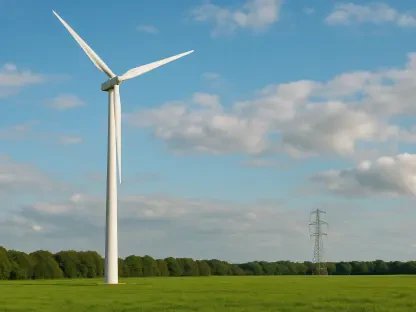
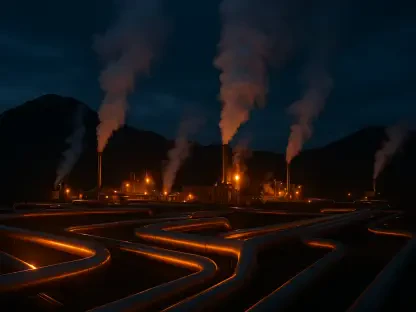
Coal-fired power generation has seen a persistent increase throughout the first two quarters of 2026, driven by a necessity to maintain a stable electricity supply during a time when fossil power generation grew by 2% year-on-year. Although these levels have not yet surpassed the record highs seen three years ago, the steady growth over six consecutive months indicates that the infrastructure remains heavily anchored in coal when clean alternatives face obstacles. The primary driver of this reliance was a significant slump in wind power generation, which plummeted by nearly 20% in June due to unusually calm weather across the country. This meteorological anomaly created a void in the energy supply that could not be immediately filled by other renewables, forcing dispatchers to ramp up coal plants to prevent regional blackouts. This reliance underscores the ongoing vulnerability of a system that is increasingly sensitive to short-term weather patterns, highlighting the inherent difficulty in phasing out high-emission sources before a truly robust storage and transmission network is fully operational.
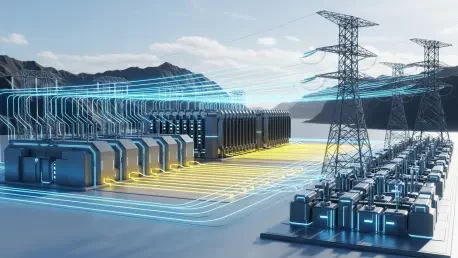
Furthermore, the issue of “curtailment” remains a significant bottleneck in the national strategy to decarbonize the industrial and residential power sectors. Even when clean energy is produced in massive quantities, the current grid infrastructure often struggles to transport or store it effectively, leading to wasted potential that could otherwise displace carbon-intensive generation. This gap in the energy mix meant that even with modest gains in solar and hydropower during the spring months, coal remained the only reliable source capable of meeting the high national demand for electricity as summer temperatures began to rise. Grid operators have found themselves in a difficult position, balancing the mandate for green energy with the technical limitations of long-distance ultra-high-voltage transmission lines that are still under construction. Until the storage capacity matches the pace of installation, the thermal fleet will likely continue to serve as the ultimate guarantor of energy security, regardless of how many new solar panels are connected to the system.
Industrial Safety and Global Shipping Pressures
The domestic energy supply faced a major setback following a catastrophic coal mine explosion in Shanxi province that sent ripples through the national commodities market. This tragic incident triggered immediate and widespread safety inspections, resulting in the temporary closure of over 150 mines and leading to a sharp 9.7% drop in domestic coal production during June. To prevent a total energy crisis and ensure that industrial production remained unhindered, the country was forced to aggressively increase its coal imports from international suppliers. These imports surged by nearly 30% as the global market acted as a necessary safety valve to compensate for the domestic shortfall, demonstrating how localized industrial accidents can have immediate international trade implications. The prioritization of safety over output in the wake of the disaster shows a shifting regulatory landscape, yet it also exposes the fragility of the supply chain when domestic production is suddenly throttled by unforeseen events.
On the global stage, disruptions in the Strait of Hormuz have severely impacted the flow of crude oil, driving imports to a decade-low for the second month in a row. This scarcity has trickled down to the refining sector, where production levels have fallen to their lowest points since 2021, forcing refiners to rely on dwindling inventories to meet transportation demands. While natural gas imports showed a slight rebound in June to replenish storage facilities ahead of the peak cooling season, the overall volatility in the global shipping market continues to threaten the stability of the broader energy procurement strategy. These geopolitical tensions have served as a stark reminder that energy security is intrinsically linked to global maritime stability, pushing the nation to further diversify its energy sources. The intersection of domestic mining disruptions and international shipping hurdles has created a double-sided pressure on the energy grid, making the transition to a self-sufficient, green-led economy even more urgent for policymakers seeking to insulate the nation from external shocks.
Economic Shifts in the Industrial Landscape
The cooling of the domestic real estate market has had a profound impact on the heavy industry sector, particularly affecting cement production which is a primary consumer of coal and electricity. With output falling by 8% over the first half of the year, the cement industry reached its lowest production levels in over five years, directly reflecting the slowdown in new construction and large-scale property development projects. This decline illustrates how broader economic shifts and domestic policy changes can inadvertently lead to lower energy consumption in specific industrial segments that were previously the backbone of the economy. As the government pivots away from a debt-fueled property model, the resulting drop in demand for construction materials provides a natural, if unintended, boost to carbon reduction efforts in the heavy manufacturing sector. This transition highlights the decoupling of economic growth from traditional infrastructure investment, signaling a long-term shift in where and how energy is utilized across the national landscape.
In contrast, the steel industry has shown signs of localized resilience, particularly in major hubs like Tangshan where production remains a vital component of the regional economy. While national crude steel output saw a slight overall decline for the half-year, blast furnace activity in key industrial zones remained unexpectedly high, hitting multi-year peaks in early July. This suggests that while some sectors are contracting due to the housing slump, core industrial centers are maintaining high levels of activity to support automotive manufacturing and other emerging high-tech sectors. This continued high-intensity production exerts persistent pressure on regional air quality and complicates efforts to meet carbon reduction targets in the short term. The divergence between the cement and steel sectors reveals a complex internal economic realignment, where traditional growth drivers are being replaced by more specialized industrial outputs. Managing this transition requires a nuanced approach that addresses the energy needs of resilient industries while capitalizing on the reduced demand from those in structural decline.
The Technological Boom in Green Manufacturing
One of the most significant success stories of 2026 is the rapid expansion of the battery and New Energy Vehicle (NEV) sectors, which have become central pillars of the national industrial strategy. Battery production surged by nearly 60% in June alone, driven by massive demand for both domestic energy storage solutions and a growing appetite for international exports. This manufacturing boom underscores the role of the nation as the global engine for the green transition, even as its internal power sector navigates a difficult period of fossil fuel reliance. The massive scale of battery production is not only an economic driver but also a technological necessity for solving the curtailment and intermittency issues currently plaguing the power grid. By leading the world in battery chemistry and manufacturing efficiency, the industrial sector is creating the very tools needed to eventually retire the coal-fired plants that are currently keeping the lights on during this transition period.
The NEV sector reached a historic milestone in mid-2026, with these vehicles accounting for more than half of all monthly vehicle exports for the first time in history. Domestic sales also hit record highs, representing nearly 60% of all vehicle purchases in June, signaling a decisive shift in consumer behavior and urban planning. This rapid electrification of the transportation sector suggests that the move away from internal combustion engines is accelerating faster than most analysts expected, providing a strong long-term foundation for reducing oil dependency and overall transport emissions. As more electric vehicles hit the road, the demand for a clean and stable charging infrastructure becomes even more critical, reinforcing the need for the grid improvements mentioned earlier. The success of the NEV market demonstrates that when policy alignment meets consumer demand and technological maturity, the transition can move with remarkable speed, potentially offsetting the temporary increases in coal consumption seen in the heavy power sector.
Strategic Infrastructure and the Role of Thermal Backup
As the nation moves forward with its 15th Five-Year Plan, the strategy for energy infrastructure is evolving to prioritize grid flexibility over simple base-load capacity. Huge increases in thermal power capacity are being commissioned, particularly in coastal provinces like Guangdong, but these plants are increasingly intended to serve as “peaking” units rather than primary energy sources. This means they are designed to provide a backup safety net for a grid that is becoming more reliant on intermittent renewables, ensuring that the lights stay on even when the wind stops blowing or the sun stops shining. This strategic shift acknowledges that while coal’s role as the primary energy provider is waning, its role as a stabilizer is becoming more critical in the short term. It represents a pragmatic approach to the energy transition, where the existing fossil fuel infrastructure is repurposed to support, rather than compete with, the influx of clean energy onto the national grid.
The developments observed throughout the first half of 2026 demonstrated that the path to a sustainable energy future required a balance between rapid innovation and reliable contingency planning. Policymakers and industry leaders recognized that while the expansion of renewable capacity was non-negotiable, the resilience of the grid remained dependent on a diversified energy portfolio. To move forward, stakeholders focused on accelerating the deployment of long-duration energy storage and upgrading inter-provincial transmission networks to reduce the curtailment of clean power. Investing in smart grid technologies and demand-side management became a priority to mitigate the impact of weather-related supply fluctuations. Furthermore, the integration of green hydrogen and advanced nuclear projects offered a roadmap for replacing coal’s stabilization role with zero-carbon alternatives. By prioritizing infrastructure flexibility and supply chain security, the nation sought to ensure that future energy shocks would not derail its long-term climate commitments, turning the challenges of 2026 into a catalyst for a more robust and responsive energy architecture.