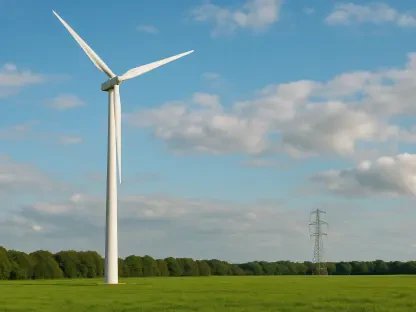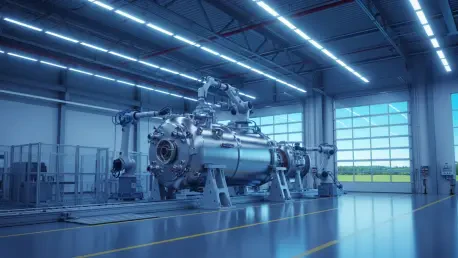

The global energy sector is currently navigating a period of profound transformation where the quest for decarbonization meets an unprecedented surge in electricity demand from artificial intelligence and heavy industry. This pressure has resurrected the nuclear debate, but the focus has shifted away from the sprawling, multi-billion-dollar complexes of the late twentieth century toward a new generation of small modular reactors. These units, known as SMRs, promise to deliver carbon-free baseload power with the precision and speed of modern manufacturing. By utilizing a factory-built approach, proponents argue that nuclear energy can finally overcome the astronomical costs and construction delays that have historically plagued the industry.
The New Frontier of Nuclear Power: Understanding the SMR Landscape
The shift from traditional gigawatt-scale plants to flexible, factory-built modular designs marks a fundamental change in nuclear architecture. Unlike traditional reactors that require massive onsite labor forces and specialized civil engineering, SMRs leverage a decentralized logic where components are produced on assembly lines. This allows for a physical footprint that is a fraction of conventional sites, making it possible to co-locate power generation with energy-intensive consumers like green hydrogen facilities or remote mining operations.
Identifying the core technological components of these reactors involves understanding the logic of utilizing uranium fission for decentralized power. Most current designs use established light-water technology but miniaturize the pressure vessels and cooling systems into transportable modules. Global players like the United States, China, and Russia are leading development, each viewing SMRs as essential tools for both domestic energy security and international export. The move toward streamlined industrial assembly is intended to transform nuclear energy from a bespoke infrastructure project into a replicable commercial product.
Shifting Dynamics in Carbon-Free Energy Production
Breakthrough Designs and the Shift Toward Factory-Based Assembly
The transition from bespoke civil engineering projects to mass-produced, transportable reactor modules represents a plug-and-play revolution for the energy industry. By manufacturing standardized reactor parts in controlled environments, companies can maintain higher quality control while significantly reducing the onsite labor requirements that often lead to budget overruns. This streamlined approach appeals particularly to the technology sector, where data center operators are increasingly seeking independent, 24/7 power sources that do not rely on the intermittency of weather-dependent renewables.
Furthermore, the ability to add modules incrementally allows for a scalable investment model that matches the growth of electricity demand more closely than a single, massive reactor project. As these factory-built units arrive at a site, they are integrated into the existing grid with minimal disruption. This flexibility is a direct response to the “all-or-nothing” risk associated with traditional nuclear power, providing a more manageable path for private investors who have historically been wary of the multi-decade timelines of conventional plants.
Analyzing Market Projections and Global Capacity Expansion
Economic viability depends on reaching a critical mass of unit production that the industry has yet to achieve in the current market. For SMRs to compete with the plummeting prices of wind and solar energy, analysts suggest that approximately 3,000 units must be deployed globally by the middle of the century. Currently, the gap between deployment plans and the scale required for a true learning curve remains significant. While growth projections through 2050 show a steady increase, nuclear modularity must prove it can scale at a velocity similar to the solar industry.
In contrast to the rapid scaling of wind and solar, SMRs face unique hurdles in capacity expansion. Performance indicators suggest that while modularity reduces construction time, the cost per megawatt-hour remains high compared to mature renewable technologies. To meet burgeoning electricity demands, SMRs will need to transition from first-of-a-kind demonstrations to mass-market availability. The capacity of SMRs to fill the “baseload gap” is a primary selling point, but this role is increasingly challenged by the expansion of long-duration battery storage and demand-side management.
Navigating the Economic and Logistical Hurdles of Miniaturization
The miniaturization of nuclear power introduces a safety paradox involving the statistical risks of managing a massive, decentralized fleet of reactors. While individual SMRs contain less radioactive material than large plants, the proliferation of thousands of units across diverse geographies increases the complexity of oversight and security. Instead of monitoring a few central sites, regulators must ensure the protection of hundreds of distributed installations. This shift requires a paradigm change in how national security agencies and local governments approach the protection of nuclear materials.
The economic gap between SMR generation costs and the plummeting prices of renewable alternatives remains a daunting challenge. Current data indicates that SMR-generated power could cost significantly more than wind or solar, even when accounting for the storage needed for intermittency. Furthermore, the physical limitations of water-dependent cooling systems present a strategic vulnerability in an era of increasing global droughts. Strategies for mitigating financial risks, such as government loan guarantees and power purchase agreements, are essential for addressing the high upfront capital required for these innovative but unproven designs.
Regulatory Frameworks and the Complexities of Global Oversight
International bodies like the IAEA are working to standardize safety protocols for modular installations, but the legal challenges of site licensing remain intense. Licensing thousands of small-scale nuclear facilities across different countries requires a level of regulatory harmony that does not yet exist. Each nation has its own safety standards and environmental requirements, which complicates the goal of a standardized, factory-built product. Protecting radioactive materials within a distributed energy grid also introduces new security implications that require international cooperation.
The ongoing struggle for permanent waste disposal solutions continues to cast a shadow over the industry. While modular reactors produce less waste per unit, the cumulative volume from a large fleet still requires secure, long-term storage. Compliance requirements for spent fuel management are becoming more stringent as the public demands clear evidence of safety. To achieve widespread adoption, SMR developers must demonstrate that they have a viable plan for the entire lifecycle of the fuel, from mining to final geologic disposal, to avoid leaving a radioactive legacy for future generations.
The Road to 2050: Assessing the Strategic Viability of SMRs
Advanced Fuel Cycles and the Potential of Next-Generation Fast Reactors
Investigating the promise of fast reactors reveals a potential future where fuel efficiency is vastly increased through the recycling of radioactive waste. These next-generation designs aim to extract more energy from uranium while reducing the long-term toxicity of the resulting waste products. The role of innovative coolants, such as molten salts or helium, is also being explored to replace traditional water-cooled designs. These coolants allow reactors to operate at higher temperatures and lower pressures, theoretically improving safety and opening the door for industrial applications like high-heat process engineering.
However, the commercialization of fast reactor technology remains in the early stages and faces significant technical hurdles. The transition from light-water reactors to more advanced fuel cycles requires a complete overhaul of the existing fuel supply chain and enrichment facilities. While these reactors offer a theoretical solution to the waste problem, they are not yet ready for mass deployment. The strategic viability of SMRs through 2050 will depend on whether these advanced designs can be brought to market in time to meet the most critical decarbonization milestones.
Emerging Market Disruptors and the Race for Climate Neutrality
Global carbon-neutrality deadlines are driving the adoption speed of SMR technology, but breakthroughs in competing sectors could disrupt the nuclear niche. Improvements in long-duration battery storage and the rise of green hydrogen provide alternative ways to manage grid stability without a constant baseload source. If battery costs continue to decline, the primary argument for SMRs—providing 24/7 power—may lose some of its weight. Identifying future growth areas is crucial, and SMRs may find their most viable niche in powering remote industrial sites or providing zero-carbon heat for heavy manufacturing.
The race for climate neutrality is not just about technology but also about the speed of deployment. As renewable energy installations continue to break records, the window for nuclear power to make a meaningful contribution is narrowing. SMRs must prove they can be integrated into a hybrid grid that prioritizes flexibility and low costs. In this environment, the strategic role of nuclear power is evolving from a primary energy source to a specialized supplement that addresses specific gaps in the renewable-heavy energy landscape of the future.
Weighing the Verdict: Is SMR Technology a Climate Savior or a Strategic Distraction?
The investigation into SMR technology revealed that while the modular approach solved several historical issues, it simultaneously introduced new economic and logistical complexities. Policymakers noted that the flexibility of factory-built units provided a unique solution for hard-to-abate industrial sectors that required constant, high-density energy. However, the high costs of generation compared to renewables meant that nuclear energy functioned more as a niche backup rather than a universal replacement for fossil fuels. The industry faced the reality that the speed of the solar and wind transition set a high bar for any competing carbon-free technology.
Stakeholders ultimately recognized that the success of SMRs depended on standardized global regulation and a massive increase in manufacturing scale. The findings suggested that while SMRs were not a singular savior, they played a supporting role in a broader decarbonization strategy. Investors were advised to balance their portfolios by prioritizing immediate renewable deployment while keeping a strategic eye on nuclear innovation for long-term industrial needs. The conclusion was reached that SMR technology offered a viable but expensive path that required careful integration into a grid already dominated by low-cost, decentralized renewable energy.