
The typical residential landscape has undergone a radical transformation where the chaotic clutter of disconnected smart speakers and standalone security cameras has finally yielded to a cohesive digital architecture. Homeowners no longer find themselves toggling between a dozen different mobile applications just to adjust the thermostat or check the front porch delivery, as the underlying technology has matured into a self-orchestrating system. This shift represents a fundamental departure from the era of “connected” gadgets toward a unified, intelligent network that prioritizes operational efficiency and resident comfort above all else. Instead of merely responding to manual inputs, these modern environments analyze environmental data to anticipate needs before they arise. By merging energy management with automation, the contemporary household functions less like a collection of utilities and more like a living organism. This evolution is driven by the urgent need for better resource allocation in a complex world.
Adapting to Modern Energy Demands
Managing Complex Residential Power Loads
The domestic power requirements of the modern era have reached an unprecedented level of complexity as residential properties transition into multi-functional hubs for work and transport. With a significant portion of the workforce now operating from home offices on a permanent basis, the baseline electrical demand remains elevated throughout the daylight hours, straining existing wiring systems. Simultaneously, the rapid adoption of high-voltage electric vehicle charging stations has introduced massive, localized loads that can easily exceed the capacity of a standard household breaker panel if left unmanaged. Integrated energy ecosystems address this challenge by serving as an intelligent gatekeeper that monitors total consumption in real time. Rather than allowing every appliance to run at full capacity simultaneously, the system uses predictive modeling to stagger the operation of heavy machinery. This ensures that the primary infrastructure remains stable while still meeting the diverse needs of residents.
Moving beyond simple monitoring, these sophisticated systems actively communicate with the wider electrical grid to participate in demand-response programs that benefit both the homeowner and the utility provider. By identifying periods of peak regional demand, the household ecosystem can automatically throttle non-essential services, such as water heating or pool filtration, to prevent local grid failures. This level of coordination is essential as cities struggle to update aging transformers and distribution lines to keep pace with the electrification of heating and transportation. When the home acts as a buffer for the grid, it reduces the overall necessity for fossil-fuel-based “peaker” plants, which are typically activated only during times of extreme stress. Consequently, the integration of energy management does more than just simplify daily life; it provides a vital layer of resiliency that protects the household from blackouts while contributing to the stability of the entire neighborhood.
Balancing Local Renewable Energy Production
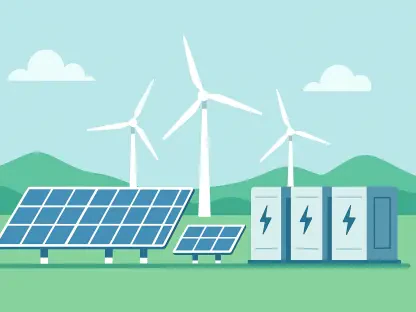
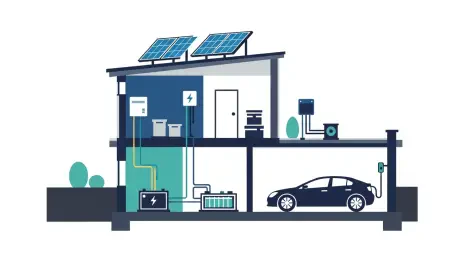
Many property owners have successfully transitioned from being passive consumers of electricity to active energy producers through the installation of high-efficiency solar photovoltaic arrays. However, the inherent variability of sunlight presents a significant challenge for maintaining a consistent power supply without sophisticated management tools. An integrated smart home ecosystem bridges this gap by coordinating the interplay between real-time solar generation and stationary battery storage units. By analyzing weather forecasts and historical usage patterns, the system determines the optimal time to store energy versus when to consume it immediately for domestic tasks. This foresight allows the home to operate with a high degree of autonomy, minimizing the need to purchase electricity during expensive peak-rate windows. As a result, the financial return on renewable energy investments is accelerated, and the overall carbon footprint of the residence is dramatically lowered through precise automation.
The synchronization of renewable production with household demand also mitigates the technical issues associated with back-feeding excess power into a saturated utility grid. Advanced control systems can prioritize the charging of electric vehicles or the operation of thermal storage systems when solar output is at its peak, effectively “soaking up” surplus energy that might otherwise go to waste. This approach transforms the home into a miniature power plant that can balance its own needs internally before interacting with external providers. Furthermore, the ability to switch seamlessly between grid-tied and islanded modes ensures that critical appliances remain functional even during broader regional outages. By treating local generation as a primary asset rather than a secondary supplement, modern ecosystems empower residents to take full control of their energy destiny. This technological shift marks a major milestone in the move toward decentralized energy markets where every home contributes to a greener future.
Establishing Universal Standards and Advanced Control
Bridging Communication Gaps with Matter and KNX
For a residential environment to function as a truly cohesive unit, every piece of hardware must be capable of speaking a common language regardless of its manufacturer or the year it was purchased. The widespread adoption of the Matter protocol has finally broken down the restrictive silos that once forced consumers to choose between competing “walled garden” ecosystems. This universal standard allows devices from disparate brands to discover and communicate with one another securely over a local internet protocol network, ensuring that a smart blind from one company can work in tandem with a light sensor from another. By removing these communication barriers, homeowners are free to select the best-performing hardware for their specific needs without worrying about compatibility issues. This level of interoperability is the essential foundation for any sophisticated energy management strategy, as it allows the central controller to have a complete and accurate view of all active loads within the house.
While Matter handles the high-level communication between consumer gadgets, established frameworks like KNX provide a robust and reliable foundation for controlling the heavy-duty infrastructure of a building. These global standards are specifically designed to manage mission-critical systems such as climate control, automated shutters, and complex lighting arrays that require high levels of reliability. When these core structural systems are linked through a common framework, the home gains the ability to perform complex, autonomous tasks that were previously impossible to coordinate. For example, the residence can automatically lower external shades to reduce solar heat gain during a summer afternoon, thereby decreasing the load on the air conditioning system. This deep integration between the building’s physical shell and its digital brain allows for a more responsive and intuitive living space. Ultimately, the fusion of these standards creates a platform where efficiency and convenience are no longer in competition but are perfectly aligned.
Empowering Environments with Intelligent Semiconductors
The underlying intelligence of the modern domestic environment is powered by a new generation of microcontrollers and sensors that act as the neural network of the building. These advanced chips are capable of collecting and processing vast amounts of data regarding room occupancy, ambient air quality, and light levels with incredible precision. By utilizing this constant stream of information, the system can identify and eliminate subtle forms of energy waste that often go unnoticed by human residents, such as lights being left on in unoccupied corridors. This granular level of detail allows the home to make micro-adjustments to its operational state in real time, resulting in substantial cumulative savings on utility bills over the course of a year. Moreover, the integration of high-performance sensors ensures that the environment remains comfortable and safe without requiring constant manual oversight. This transition to a data-driven household marks the end of the era of static, unresponsive living spaces.
As the volume of data generated within the home continues to grow, the adoption of Edge AI and secure microcontrollers has become a critical necessity for maintaining user privacy and system speed. Rather than relying on distant cloud servers to process sensitive information, modern ecosystems handle the majority of their computational tasks locally on the device itself. This shift to edge computing not only ensures that response times are near-instantaneous but also keeps personal data, such as facial recognition patterns or daily routines, strictly within the walls of the residence. Furthermore, the use of Silicon Carbide semiconductors in power management systems has revolutionized the efficiency of high-power energy transfers. This specialized hardware significantly reduces the amount of energy lost as heat when converting electricity for storage or vehicle charging. By combining intelligent local processing with highly efficient power electronics, the modern home has become a marvel of engineering that is both highly secure and exceptionally resourceful in its energy usage.
Path Toward Realizing the Self-Aware Environment
The evolution of residential spaces into integrated energy ecosystems has fundamentally changed how society views domestic living and resource consumption. This transition was historically driven by the necessity for greater efficiency and the desire to mitigate the impact of rising utility costs through advanced technological intervention. Now that the foundational hardware and universal communication standards have been established, the next logical step involves the broader adoption of these systems across diverse housing types to maximize collective energy savings. Homeowners are encouraged to evaluate the interoperability of their current devices and prioritize the installation of energy-orchestration tools that can bridge the gap between generation and usage. Moving forward, the focus will likely remain on refining autonomous algorithms to further reduce the need for manual input while enhancing the overall resilience of the home. By embracing these integrated solutions today, residents can ensure their properties are well-positioned to navigate the complexities of a changing electrical landscape with confidence.