
Christopher Hailstone, a seasoned veteran in energy management and grid security, brings a wealth of expertise to the table regarding the rapidly evolving landscape of renewable fuels. With years spent overseeing complex utility infrastructures, he has witnessed firsthand the transition from traditional fossil fuels to the innovative potential of green hydrogen and ammonia. In this discussion, we explore the landmark collaboration between ACME Group and IHI Corporation in Odisha, examining how international financial support and large-scale manufacturing are setting a new standard for global decarbonization. We delve into the strategic importance of Japan’s price support mechanisms, the immense production targets planned for 2030, and the ripple effects these projects will have on the reliability of the future energy grid.
How do the financial frameworks provided by Japan transform the economic viability of the green ammonia facility in Gopalpur?
The inclusion of the Gopalpur project under Japan’s clean hydrogen Contract for Difference (CfD) subsidy program is a absolute game-changer for the facility’s long-term sustainability. By providing price support for 228,000 tonnes per annum starting in September 2030, this mechanism effectively erases the daunting cost gap between expensive clean ammonia and its conventional, carbon-heavy counterparts. You can almost feel the confidence returning to the investors, as this 25-year commitment creates a predictable and stable revenue stream that is rarely seen in such cutting-edge sectors. This financial bedrock allows the joint venture to move forward with the heavy lifting of construction, knowing that the Ministry of Economy, Trade and Industry has their back. It’s not just a subsidy; it’s the structural support needed to turn a high-risk innovation into a reliable industrial reality.
With the project set to begin commercial operations by 2030, what scale of production are we looking at and how does it integrate with the local industrial ecosystem?
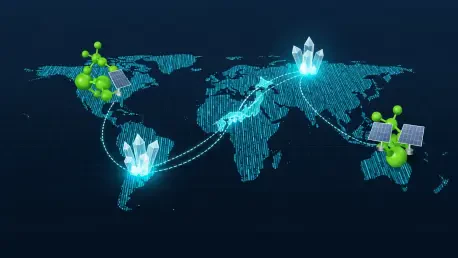
The facility at the Tata Steel SEZ Industrial Park is designed to be a powerhouse, targeting a massive production capacity of 405,000 tonnes per annum of green ammonia. As you walk through the conceptual plans of the Gopalpur hub, the sheer scale of the renewable energy integration required to power this export-focused facility is breathtaking. By July 2030, the aim is to have the plant humming with activity, utilizing 177,000 tonnes of its output specifically for Japan’s power sector through the Long-Term Decarbonised Power Source Auction. This isn’t just an isolated factory; it is a vital organ in a larger industrial body that connects Indian manufacturing prowess directly to the heart of East Asian energy needs. The synergy between the local SEZ infrastructure and the international shipping requirements creates a streamlined pipeline for zero-carbon fuel.
In what ways does the secondary project in Paradip complement the overall strategy for ACME’s green molecules business?
The Paradip project is the ambitious sibling to the Gopalpur site, boasting an even larger annual production capacity of 800,000 tonnes with a planned start date as early as 2029. This facility provides a crucial balance to the portfolio by securing a domestic demand base through a Green Ammonia Purchase Agreement with the Solar Energy Corporation of India for 370,000 tonnes. When you look at the numbers, having 83,000 tonnes from Paradip also allocated under Japan’s auction system shows a very clever diversification of risk across different markets. It creates a robust ecosystem where ACME isn’t just relying on exports; they are actively fueling India’s own National Green Hydrogen Mission while simultaneously becoming a top-tier supplier for Japan. This two-pronged approach ensures that if one market shifts, the overall momentum of the green ammonia transition remains unstoppable.
What is your forecast for the role of green ammonia in the global energy transition over the next decade?
I foresee green ammonia becoming the indispensable backbone of long-haul energy transport and a primary fuel for decarbonizing heavy industries that currently have no other choice but to pollute. As we approach 2030, the success of the ACME-IHI partnership will likely trigger a domino effect, leading to a surge in similar cross-border agreements that stabilize the grid with clean, storable power. We will see the 405,000 tonnes produced in Gopalpur as just the beginning of a massive shift where ammonia is no longer just for fertilizer, but a core component of the global electricity supply. The heavy lifting done today to secure price supports and long-term auctions will result in a mature market where green fuels are just as cost-effective and available as the coal and gas of the previous century. It’s an era of quiet, clean power that is finally within our reach.