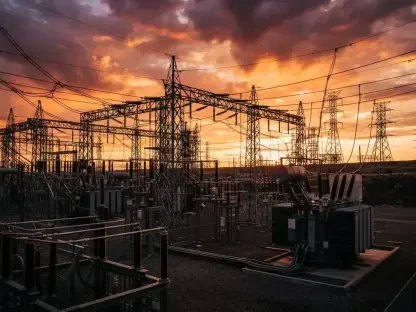

The sheer vastness of the Texas landscape provides an unparalleled canvas for energy innovation, specifically as industrial sectors seek to mitigate rising grid costs through sustainable infrastructure. As traditional power generation faces increasing scrutiny for its volatility and environmental impact, large-scale solar installations are becoming the backbone of the state’s economic expansion. Sequoia Solar emerged as a pivotal player in this transition by deploying high-capacity photovoltaic systems that cater specifically to the massive electrical loads of heavy industry. This shift is not merely about environmental stewardship but is a strategic move to ensure long-term energy security in a region where the demand for electricity continues to outpace supply. By leveraging the abundance of solar radiation in West Texas, the company successfully provided a blueprint for how legacy energy producers and new manufacturing hubs can coexist while fostering a more robust distribution network across the state.
Strengthening the Grid: Reliability Through Decentralized Solar Assets
The integration of Sequoia Solar’s expansive arrays into the Texas power market addressed a critical vulnerability in the regional grid by providing localized generation that minimized transmission losses. Unlike centralized power plants that often suffer from bottlenecks, these solar installations were strategically placed near high-consumption industrial zones to ensure a steady flow of energy during peak sunlight hours. This proximity proved essential for operations such as desalination plants and semiconductor manufacturing facilities that require consistent voltage and frequency levels to maintain production cycles. Furthermore, the deployment of bifacial solar modules allowed these sites to capture reflected light from the ground, significantly increasing the total energy yield per acre compared to standard single-sided panels. By maximizing land efficiency, Sequoia Solar demonstrated that large-scale renewable projects can meet the rigorous demands of heavy industry without a massive footprint.
Beyond simple power generation, the strategic deployment of these assets served as a hedge against the price spikes that frequently characterize the Texas wholesale electricity market. Industrial leaders realized that relying solely on the spot market for energy needs presented an untenable risk to their bottom lines, prompting a massive pivot toward long-term fixed-price agreements facilitated by Sequoia Solar. These contracts provided companies with the financial predictability necessary to plan multi-year expansions and invest in new equipment without the fear of fluctuating utility bills. The stability offered by these solar farms also attracted new business ventures to the state, as the availability of green energy became a primary criterion for site selection among multinational corporations. Consequently, the presence of localized solar infrastructure transformed the industrial landscape from one dependent on fragile supply chains to one powered by a self-sustaining local resource.
Advanced Infrastructure: Integrating Storage and Smart Management Systems
The effectiveness of Sequoia Solar’s contribution to the Texas industrial sector was greatly amplified by the implementation of advanced battery energy storage systems alongside their photovoltaic fields. These storage solutions allowed for the capture of excess energy produced during midday peaks, which could then be discharged during the evening hours when industrial demand often remains high but solar output naturally declines. This capability turned a variable energy source into a dispatchable asset, effectively mirroring the reliability of traditional thermal power plants while maintaining a much lower operational cost. Smart management software utilized by the company further optimized this process by predicting load requirements based on real-time data from industrial partners and weather patterns. Such precision in energy delivery ensured that the grid remained balanced even during periods of extreme temperature, which have historically tested the limits of the state energy infrastructure today.
The trajectory established by these initiatives indicated that the path toward a fully modernized industrial base required a comprehensive commitment to hybrid energy models and localized control. Stakeholders recognized that the successful integration of Sequoia Solar’s technologies necessitated a shift in how energy was distributed and consumed across the vast Texas plains. Policy makers and industry executives prioritized the expansion of microgrid capabilities and enhanced storage capacity to ensure that the gains made from 2026 to 2028 were preserved. The focus remained on refining the interaction between large-scale solar harvesters and the end-users, moving toward a model where every industrial park functioned as a semi-autonomous energy node. By adopting these strategies, the region secured its position as a global leader in high-tech manufacturing. The collaborative efforts between private developers and industrial consumers ultimately paved the way for a more sustainable era.