
India stands at a pivotal crossroads in its industrial evolution as it systematically dismantles its historical reliance on fossil fuels to embrace a sophisticated, multi-tiered renewable energy strategy. This transition is not merely a response to global climate mandates but a fundamental restructuring of the national economy to ensure energy security and long-term price stability for its burgeoning population. By prioritizing massive decentralized solar installations and large-scale wind farms, the nation is effectively decoupling economic growth from carbon emissions. The sheer scale of this ambition is reflected in the rapid deployment of specialized manufacturing hubs and the integration of digital grid management technologies. As the world watches this unprecedented shift, the focus remains on how a developing nation can balance the immediate demands of power generation with the long-term necessity of environmental preservation. This trajectory involves a complex interplay between government policy, private investment, and technological breakthroughs that redefine the domestic power sector. These efforts are further supported by the introduction of stringent emission norms and the incentivization of cleaner alternatives in sectors traditionally dominated by coal-fired thermal power plants.
Scaling Renewable Capacity: Infrastructure and Supply Chains
Expansion of High-Efficiency Solar Ecosystems
The rapid expansion of solar infrastructure serves as the primary engine for this green transformation, fueled by the aggressive implementation of the Production Linked Incentive scheme. By encouraging the domestic manufacturing of high-efficiency solar modules, the government has reduced dependence on imported components and fostered a robust local supply chain. Giant solar parks, sprawling across thousands of acres in arid regions, have become the hallmark of this progress, providing the necessary scale to drive down the levelized cost of electricity. Simultaneously, the focus has shifted toward rooftop solar initiatives for residential and commercial buildings, empowering individual consumers to become active participants in the energy market. These decentralized systems alleviate pressure on the central grid while providing a reliable source of clean power in remote areas. The integration of bifacial modules and tracking systems has further optimized the energy yield, ensuring that every square meter of solar installation contributes at its maximum potential to the national energy mix while supporting grid-level stability.
Development of Wind and Hybrid Generation Models
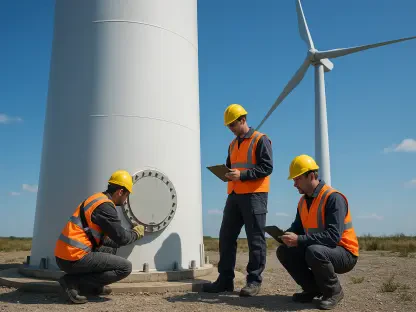
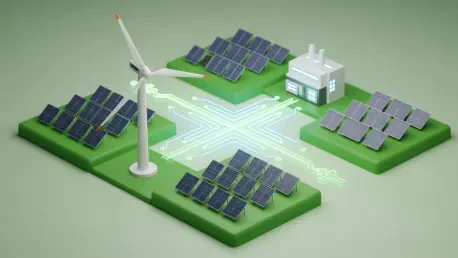
Building on the success of solar energy, the focus is now expanding toward the vast potential of offshore wind and the technical advantages of hybrid power projects. Coastal states like Gujarat and Tamil Nadu are leading the charge in exploring deep-sea wind turbines, which benefit from stronger and more consistent wind speeds compared to their onshore counterparts. These projects are essential for diversifying the renewable portfolio and mitigating the variability associated with solar power. Furthermore, the development of solar-wind hybrid systems allows for a more stable and predictable output by utilizing different generation profiles across a twenty-four-hour cycle. Round-the-Clock power tenders have become the preferred mechanism for utility-scale procurement, requiring developers to bundle various renewable sources with storage solutions to meet peak demand consistently. This approach ensures that the transition to clean energy does not compromise the reliability of the national power system during periods of low resource availability. Such innovations are critical for maintaining industrial productivity as the economy expands.
Grid Modernization: Storage and Strategic Policy
Enhancing Flexibility through Advanced Energy Storage
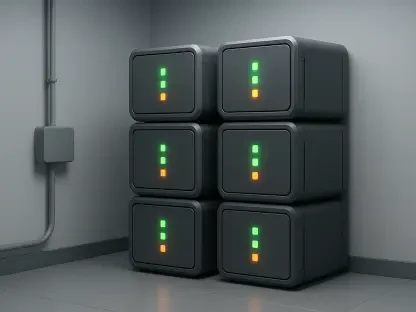
The evolution of energy storage technologies is critical for managing the inherent intermittency of renewable resources and maintaining a stable frequency across the national grid. Battery Energy Storage Systems are being deployed alongside large-scale renewable plants to store excess energy during periods of peak production for release during high-demand hours. In addition to chemical batteries, the resurgence of Pumped Hydro Projects offers a cost-effective and long-duration storage alternative that leverages natural topography for energy management. These storage solutions are integrated with the Green Energy Corridor, a specialized transmission network designed to move clean electricity from resource-rich zones to industrial heartlands with minimal energy loss. By enhancing grid flexibility, these technologies prevent the curtailment of renewable power and ensure that the maximum amount of green energy is utilized. The deployment of advanced smart meters and AI-driven load forecasting further optimizes the distribution process, allowing for real-time adjustments based on current consumption patterns.
Future Perspectives: Green Hydrogen and Decarbonization
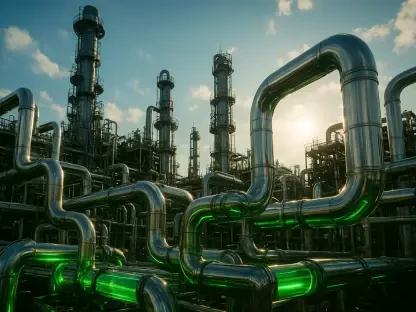
The strategic path forward emphasized the necessity of integrating green hydrogen into the industrial fabric to decarbonize hard-to-abate sectors like steel and cement. Decision-makers prioritized the creation of specialized hydrogen hubs that utilized surplus renewable energy for electrolysis, effectively turning electricity into a portable fuel. This shift was supported by updated regulatory frameworks that facilitated green energy open access, allowing industrial consumers to procure clean power directly from developers. Financial mechanisms, including carbon credits and green bonds, were utilized to mobilize the massive capital required for such large-scale infrastructure projects. Collaborative efforts between the public and private sectors ensured that technological innovation remained at the forefront of the energy transition. By focusing on domestic manufacturing and grid resilience, the nation established a blueprint for sustainable development that balanced economic growth with environmental responsibility. This comprehensive approach successfully transformed the power landscape into a resilient and carbon-neutral ecosystem for all.