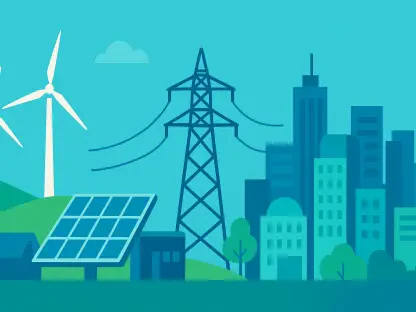

The global construction sector has evolved far beyond its traditional role as a consumer of resources to become a critical driver of the renewable energy transition through the implementation of advanced structural technologies. This shift has necessitated a fundamental rethinking of how urban environments are designed, moving away from passive consumption toward a model of active energy generation. By embedding photovoltaic cells into glass facades and using concrete that stores thermal energy, engineers have turned common buildings into distributed power plants. This transformation is particularly vital as cities strive to meet stringent decarbonization targets from 2026 to 2029, requiring a seamless integration between the physical build and the localized electrical grid. The industry no longer views sustainability as an optional feature but as a core functional requirement that dictates material selection. This proactive approach ensures that new developments contribute to the stability of the energy network while reducing costs.
Material Innovation: Integrating Active Harvesting Technologies
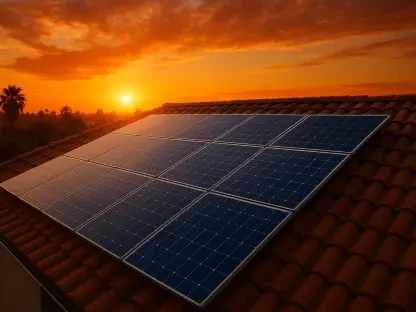
Building Integrated Photovoltaics, often referred to as BIPV, represent one of the most significant advancements in the quest to make modern structures energy-positive. Instead of mounting bulky solar panels on roofs, architects now specify windows and cladding that contain semi-transparent solar cells capable of harvesting electricity from ambient light. These materials utilize perovskite technology, which offers higher efficiency in low-light conditions compared to traditional silicon-based alternatives. This integration allows high-rise buildings to maximize their massive surface areas for power generation without compromising aesthetic appeal. Furthermore, advancements in chemical engineering have led to the development of smart glass that adjusts its opacity to regulate internal temperatures while simultaneously generating power. As these technologies become standard in projects from 2026 to 2028, the reliance on external fossil fuel sources diminishes. This transition effectively redefines the facade of a building as a functional component.
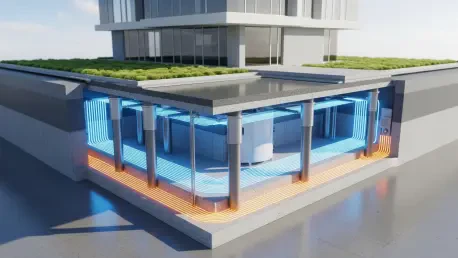
Beyond solar harvesting, the integration of geothermal heat pumps directly into the foundation piles of new developments has emerged as a standard practice for achieving thermal efficiency. By tapping into the constant temperature of the earth through structural components, buildings can maintain comfortable internal climates with minimal electrical input for heating or cooling. This method utilizes the very elements that support the weight of the structure, effectively doubling the utility of the foundation work. In addition to thermal management, the introduction of kinetic energy harvesting systems within high-traffic flooring areas has provided a supplemental power source for lighting and sensor networks. These systems convert the mechanical energy of footsteps into electrical currents stored in localized battery arrays. Such innovations demonstrate that the construction industry is finding ways to capture energy from every possible interaction. The synergy between these diverse technologies creates a resilient ecosystem that operates independently.
Infrastructure Scaling: Building a Resilient Power Network
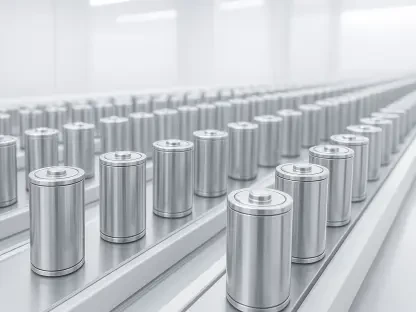
The expansion of the green energy sector is equally dependent on the construction of massive offshore wind farms and industrial-scale energy storage facilities that require specialized engineering expertise. Large-scale infrastructure projects planned for the period from 2026 to 2030 involve the deployment of deep-water floating turbines and massive undersea cabling networks that connect renewable sources to coastal cities. These projects demand a level of precision and durability that only modern construction techniques can provide, such as the use of carbon-neutral concrete for marine foundations. Additionally, the construction of utility-scale battery storage sites has become a priority to manage the intermittent nature of wind and solar power. These facilities often repurpose industrial zones, using modular construction to accelerate deployment and ensure that the grid can handle peaks in demand. The ability to build these complex systems rapidly and efficiently determines the overall success of the transition.
The successful integration of these technologies required a coordinated effort between policymakers and developers to standardize the use of low-carbon materials across all major metropolitan areas. It became clear that the most effective strategy involved retrofitting existing structures with modular energy systems that could be installed with minimal disruption to daily operations. By prioritizing the circular economy, stakeholders ensured that the components used in the green transition were themselves recyclable, preventing a secondary waste crisis at the end of their lifecycle. Engineers discovered that the most resilient solutions were those that decentralized power generation, allowing neighborhoods to remain functional during larger grid failures. Moving forward, the focus shifted toward the implementation of artificial intelligence to manage these microgrids in real-time. This evolution proved that construction was not just a means of creating space but a primary tool for restoration. The industry established a roadmap for a self-sustaining landscape.