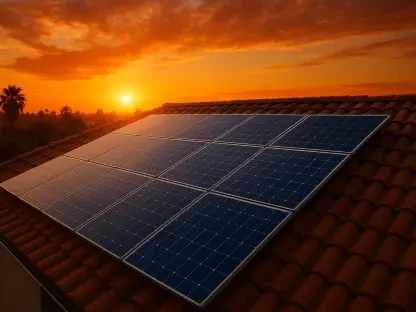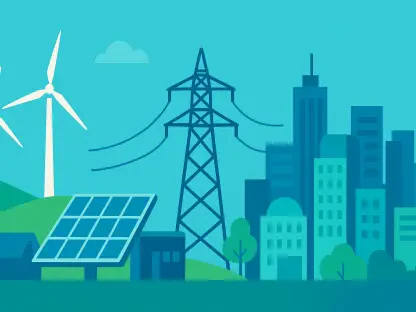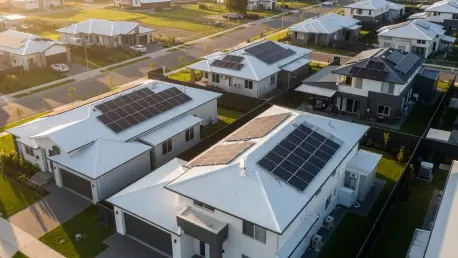

The transition toward a decentralized energy grid has transformed the typical suburban residence into a mini-power plant, yet many homeowners still struggle to extract the full potential of their installed photovoltaic systems. Simply mounting panels on a roof no longer suffices in an era where energy prices fluctuate by the hour and grid demands shift with the rise of heavy-consumption appliances. Maximizing efficiency requires a sophisticated blend of advanced hardware selection, strategic placement, and the intelligent integration of storage solutions that can buffer against peak-time costs. By understanding the nuances of how solar radiation interacts with specific panel chemistries and how software can orchestrate household energy flow, property owners can significantly reduce their payback period while contributing to a more resilient local infrastructure. This shift from passive generation to active management represents the next frontier in residential sustainability, ensuring that every photon captured translates into tangible financial gains and reduced carbon footprints.
Advanced Technical Configurations for Peak Performance
Precision and Placement: Hardware Innovations
Selecting the right hardware is the first critical step toward achieving superior efficiency, particularly with the emergence of bifacial solar modules that capture light from both sides. Unlike traditional monofacial panels, these systems utilize reflected light from the roof surface, which can increase total energy yield by up to twenty percent depending on the surrounding materials. The orientation of these panels must be calculated with millimeter precision using LIDAR-based shading analysis to account for local topography and seasonal sun paths. Furthermore, the implementation of single-axis tracking systems, once reserved for utility-scale farms, is becoming increasingly viable for residential properties with sufficient space. These trackers allow panels to follow the sun’s trajectory from dawn until dusk, ensuring that the angle of incidence remains optimal throughout the day. By prioritizing these architectural details, homeowners ensure that their initial investment provides the highest possible baseline.
Beyond the panels themselves, the choice between string inverters and micro-inverters dictates how a system handles partial shading and internal equipment variations. Micro-inverters are installed on each individual panel, allowing the system to operate at maximum capacity even if one module is obstructed by a stray branch or temporary debris. This decentralized approach eliminates the “Christmas light effect” where a single failing component reduces the output of the entire array, a common frustration in older installations. Modern power optimizers further refine this process by performing maximum power point tracking at the module level, which stabilizes the current before it even reaches the central conversion unit. When combined with high-transparency glass coatings that minimize reflection and maximize light absorption, these electronic enhancements form a robust defense against environmental inefficiencies. Investing in this high-level circuitry ensures that the power produced remains consistent over the years.
Smart Management: Storage and Load Balancing
Energy storage has evolved from a simple backup luxury into the brain of the home energy ecosystem, primarily through the deployment of AI-integrated battery systems. These units do not merely store excess electricity; they analyze historical consumption patterns and weather forecasts to determine the most cost-effective times to charge or discharge. For instance, if a storm is predicted for the following afternoon, the system may prioritize holding a full charge rather than selling excess power back to the grid during the morning peak. This predictive capability ensures that the home remains powered during outages while simultaneously maximizing savings by avoiding high-rate periods. Sophisticated algorithms can also manage “behind-the-meter” loads, automatically deferring energy-intensive tasks like dishwashing or laundry to moments when solar production is at its zenith. This synergy between storage and consumption patterns creates a closed-loop system that minimizes expensive utility reliance.
The integration of electric vehicles through Vehicle-to-Home technology represents a massive leap in maximizing the utility of solar-generated electricity. Instead of viewing a car as a passive consumer, modern systems treat the vehicle’s massive battery as a supplemental reservoir that can power the entire house during evening hours. This bidirectional charging capability allows the homeowner to charge the car for free during the day when the sun is brightest and then draw that power back into the residence when the sun goes down and utility rates spike. By leveraging the large capacity of a typical EV battery, homeowners can bridge the gap between daytime generation and nighttime demand without needing to invest in secondary stationary battery banks. This multi-functional use of hardware significantly improves the overall return on investment for both the solar array and the vehicle itself. It also provides an unparalleled level of energy security during localized failures.
Strategic Management and Economic Optimization
Maintenance and Monitoring: Ensuring Longevity
Maintaining high efficiency over decades requires a shift from reactive repairs to a regime of proactive, data-driven monitoring and regular physical upkeep. Contemporary solar software platforms now offer granular insights that can detect minute drops in voltage across specific strings, often before the homeowner notices any change in their utility bill. These systems utilize machine learning to distinguish between natural degradation caused by age and sudden performance losses caused by external factors such as bird nesting or micro-cracks in the silicon. By identifying these issues early through thermal imaging drones or integrated sensors, owners can prevent minor faults from escalating into costly hardware failures. Professional inspections should be scheduled to coincide with the periods of highest expected production, ensuring that all electrical connections remain tight and that the cooling fans in the inverter housing are free from dust. This rigorous attention to technical health ensures a full lifespan.
Environmental factors such as dust, pollen, and industrial soot can create a layer of “soiling” that significantly inhibits the ability of photovoltaic cells to absorb sunlight. In regions with infrequent rainfall, this accumulation can reduce energy output by a staggering margin if the panels are not cleaned with specialized, non-abrasive tools and deionized water. Homeowners should establish a cleaning schedule based on local environmental data, paying close attention to the buildup of organic matter in the corners of the panel frames where mold can take root. Automated robotic cleaners are now available for larger residential arrays, providing a hands-off solution that ensures the glass remains pristine without the risks associated with manual roof labor. Additionally, managing nearby vegetation to prevent new shadows from falling on the array is a vital but often overlooked aspect of system maintenance. Regularly trimming fast-growing trees ensures that the original shade-free calculations remain accurate.
Economic Optimization: Incentives and Programs
Financial efficiency is just as important as technical efficiency, and navigating the complex landscape of net metering and virtual power plants is essential for maximizing savings. Many utility companies have moved toward dynamic pricing models where the value of solar energy changes based on real-time grid demand, rewarding those who can export power during periods of extreme stress. By participating in a virtual power plant program, homeowners can aggregate their battery storage with thousands of others to provide critical support to the local grid during heatwaves or cold snaps. In exchange for this service, participants receive premium credits or direct payments that far exceed standard net metering rates, effectively turning a residential solar system into a revenue-generating asset. Understanding these localized programs requires staying informed about utility commission rulings and legislative changes that affect how solar owners are compensated for their clean energy contributions.
Leveraging federal and state tax incentives, such as the Investment Tax Credit, remains one of the most effective ways to lower the initial capital expenditure and improve the long-term ROI. These credits allow for a direct reduction in the amount of income tax owed, covering a significant percentage of the costs for both the solar panels and the associated energy storage systems. To truly maximize these benefits, it is crucial to document all related expenses, including structural reinforcements to the roof or electrical panel upgrades required for the installation. Some jurisdictions also offer performance-based incentives, which pay homeowners a set amount for every kilowatt-hour of clean energy their system generates over a fixed period. Combining these upfront savings with ongoing performance payments can shorten the break-even point to just a few years in many markets. Consulting with a tax professional who specializes in renewable energy can reveal additional benefits for the household.
Final Considerations: The Evolution of Residential Power
Homeowners who sought to future-proof their investments focused on modular systems that could be easily upgraded as new perovskite cell chemistries reached the commercial market. They conducted thorough audits of their home’s insulation and envelope integrity to ensure that the solar energy produced was not wasted through thermal leaks. Strategic planning involved consulting with certified energy architects who provided long-term roadmaps for total electrification, including the phasing out of gas-powered appliances. These early adopters investigated the potential of community solar sharing, allowing them to sell excess capacity to neighbors who lacked suitable roof space for their own installations. By prioritizing high-grade wiring and advanced surge protection, they safeguarded sensitive electronics against the minor voltage fluctuations inherent in decentralized power generation. This comprehensive approach allowed for the seamless integration of future hardware as the technology matured. Ultimately, those who treated their solar array as a dynamic, evolving asset achieved the most robust energy independence.