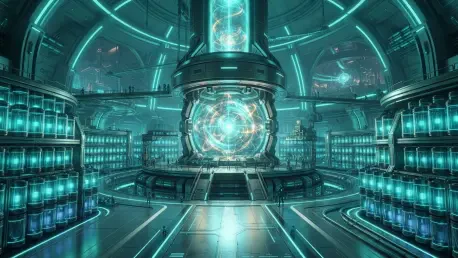

The successful commercialization of 800V DC infrastructure provides a technical blueprint for the next generation of global digital infrastructure development. As artificial intelligence models grow in complexity, the traditional methods of delivering electricity to the servers that train these models have reached a breaking point. The massive appetite for energy exhibited by high-density data centers necessitates a departure from legacy alternating current frameworks that have dominated the industry for decades. By shifting toward an integrated direct current architecture, technology leaders are now able to address the dual challenges of operational efficiency and environmental sustainability. This transition is not merely a marginal improvement but a fundamental reimagining of the data center ecosystem, where power electronics and computing hardware are no longer treated as separate silos but as a unified, high-performance machine designed for the digital age. This shift ensures that the rapid expansion of intelligence remains physically viable.
Technical Innovation and Sustainable Infrastructure
Streamlining Conversion: From Utility Grid to Server Rack
The integration of solid-state transformers marks a departure from the bulky, electromagnetic components that have historically anchored power distribution. Unlike conventional transformers that rely on heavy iron cores and copper windings, solid-state variants utilize high-frequency power electronics to manage electricity with unprecedented precision. This technology allows the system to take 10 kV medium-voltage AC directly from the utility grid and convert it into a stable 800V DC bus in a single, compact stage. This reduction in physical footprint is accompanied by a significant decrease in electromagnetic interference and a vast improvement in the controllability of the power flow. By removing multiple stages of intermediary voltage stepping, the architecture minimizes the potential for component failure while simultaneously simplifying the overall maintenance requirements for large-scale facilities. This streamlined approach is a prerequisite for any modern data center looking to maximize uptime.
Efficiency within a data center is often measured by the watt-to-bit ratio, representing how much of the power drawn from the grid actually reaches the processing cores of the AI accelerators. In traditional alternating current setups, energy is lost as heat during every conversion cycle, from AC to DC and from high voltage to low voltage. By maintaining an 800V DC standard from the initial conversion point all the way to the server rack, the new system drastically reduces these conversion losses. This design also mitigates the heat generation that typically plagues high-density environments, thereby reducing the cooling load on the facility’s HVAC systems. The result is a more harmonious thermal profile that allows servers to run at peak performance for longer durations without thermal throttling. Such gains in efficiency are no longer optional as power costs continue to rise and the availability of grid capacity becomes a significant bottleneck for global AI development.
Intelligent Management: AI-Driven Control and Sustainability
Managing the electricity supply for an AI data center is complicated by the highly volatile nature of the workloads. Unlike traditional web hosting, AI training involves sudden and massive bursts of activity as GPUs engage in complex computations, followed by periods of relative calm. These rapid fluctuations can strain the grid and cause voltage instability within the facility. To combat this, the new system employs an advanced orchestration layer known as the Dubhe Controller, which is powered by a specialized energy foundation model. This AI-driven software acts as the brain of the power system, predicting load changes and coordinating the response of the solid-state transformers and energy storage units in real time. By analyzing vast amounts of operational data, the controller ensures that the power delivery remains smooth and consistent, regardless of how aggressively the AI workloads are cycling. This level of synchronization is essential for maintaining the integrity of the computing process.
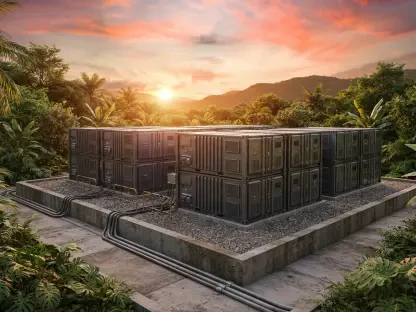
Integrated Battery Energy Storage Systems play a crucial role in this intelligent management framework, serving as a high-speed buffer between the grid and the servers. These batteries are designed to respond in milliseconds to absorb sudden spikes in demand or to fill gaps during momentary supply interruptions. This dual-layered support provides both second-scale buffering for GPU load fluctuations and minute-scale backup for broader grid stability, effectively insulating the data center from external power quality issues. Furthermore, the storage units allow the facility to participate in grid-balancing services, providing a potential revenue stream and helping the local utility manage the integration of intermittent renewable energy. This symbiotic relationship between energy storage and computing power turns the data center into a flexible asset rather than just a passive consumer. Such a proactive approach to energy management is a hallmark of the new era of intelligent, energy-aware digital infrastructure.
Future Readiness: Strategic Directions for Next-Generation Infrastructure
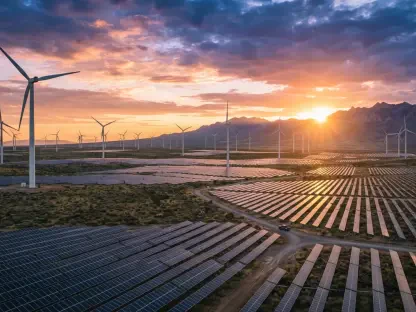
The successful implementation of the 800V DC system at the Galaxy AI campus established a new benchmark for industrial efficiency. By integrating battery manufacturing, renewable energy sourcing, and advanced power electronics into a single ecosystem, the project demonstrated that technical innovation could resolve the tension between computing growth and energy constraints. Moving forward, organizations should prioritize the adoption of direct current architectures and high-frequency solid-state transformers to minimize energy waste in their own operations. Investors and policymakers were encouraged to support the development of renewable-heavy industrial zones that can accommodate these massive power requirements without compromising local grid stability. The transition to energy-aware computing proved to be a vital step in ensuring that the digital revolution remained sustainable and scalable. This achievement provided a clear roadmap for future developments, emphasizing that the marriage of physical and digital AI was the only viable path forward for the global technology industry.