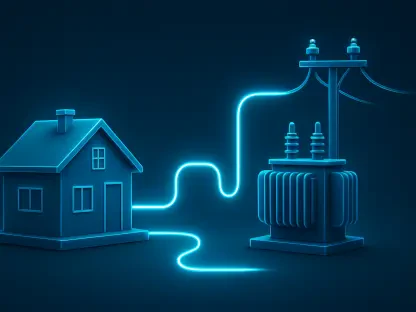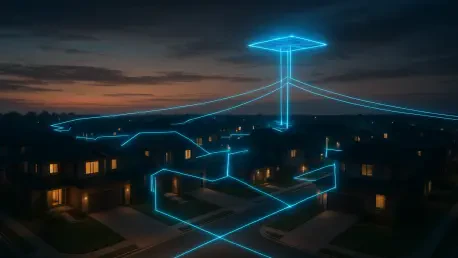

By utilizing Demand Side Analytics for optimization, PG&E aims to demonstrate that decentralized energy can serve as a fast and scalable alternative to fossil fuel generation. This initiative represents a pivotal moment in the transition toward a more resilient electrical infrastructure, especially as Northern California faces unprecedented demand from a burgeoning network of artificial intelligence data centers. Instead of relying solely on traditional, centralized power plants that often take years to permit and construct, this collaboration leverages the existing technology already found within consumer households.
The partnership between Pacific Gas and Electric, Google, and Rewiring America seeks to create a seamless network of distributed energy resources that can be orchestrated in real-time. By integrating tens of thousands of individual devices into a single, cohesive virtual power plant, the stakeholders believe they can stabilize the grid while simultaneously driving down costs for everyday ratepayers across the region. This project, known as the SHARE program, stands as a critical test of whether private capital and residential assets can solve the complex challenges of a modern energy landscape.
Transforming Residential Systems into Grid Assets
The Foundation: Battery Storage and Grid Stability
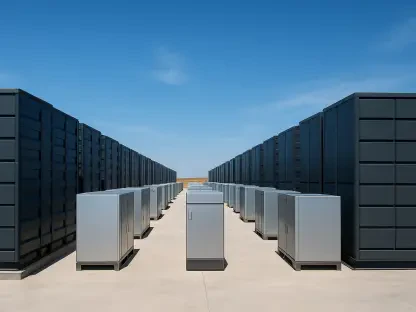
The success of the SHARE program hinges on the integration of high-performance hardware already present in modern homes across Northern California. Leading the charge in hardware contribution are companies like Tesla and Sunrun, which provide the residential battery storage capacity necessary to ensure grid firmness during peak demand periods. These battery systems act as a decentralized buffer, absorbing excess energy when production is high and discharging it back into the home or the grid when the local system faces stress.
Unlike traditional demand-response programs that merely reduce consumption, these advanced energy storage units offer a proactive way to maintain voltage and frequency stability. By coordinating these individual units, the utility can effectively create a dispatchable resource that rivals the output of a conventional gas peaker plant. This level of synchronization requires sophisticated software interfaces that can communicate across various brands and technical specifications, ensuring that every kilowatt available is utilized with maximum efficiency and precision for regional grid health.
Load Management: Smart Thermostats and Heat Pumps
Beyond simple energy storage, the virtual power plant utilizes controllable loads from household appliances to manage overall demand dynamically. Renew Home plays a critical role in this ecosystem by managing millions of smart thermostats, allowing the utility to make minor, nearly imperceptible adjustments to heating and cooling cycles across the service territory. These small shifts, when aggregated across thousands of homes, result in significant reductions in total grid load during critical hours without requiring any direct behavioral changes from the residents.
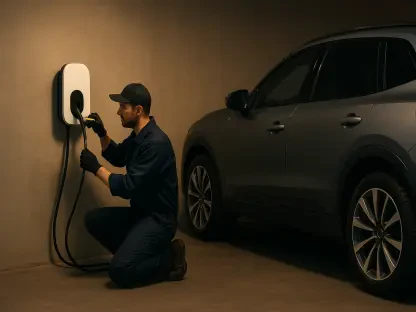
Furthermore, Carrier has introduced high-efficiency heat pumps equipped with integrated battery storage specifically for this initiative. These advanced HVAC systems are designed to shift heavy electrical loads away from peak times without compromising consumer comfort, testing the limits of how household climate control can assist in grid management. By treating the home as an active participant in the energy market rather than a passive consumer, the program demonstrates a radical shift in how load balancing is achieved. This integrated approach ensures the grid remains functional as the region transitions to full electrification.
Strategic Growth: Financing and Long-Term Scalability
The Blueprint: Private Funding and Data Integration
A fundamental shift in this project is the source of funding, which bypasses traditional ratepayer-backed utility investments in favor of private capital from technology hyperscalers. Google has committed significant financial resources to bankroll the SHARE program through 2027, aiming to prove that subsidizing residential assets is more cost-effective than building new fossil fuel infrastructure. This funding model addresses the urgent need for additional capacity driven by Google’s own expanding data center operations without placing the financial burden on the general public.
By investing in the efficiency and reliability of the local grid, large technology firms are essentially securing their own operational future while providing a public benefit. This strategy highlights a new era where the biggest consumers of electricity take an active role in stabilizing the very systems they depend on. The move sets a precedent for how other energy-intensive industries might collaborate with utilities to foster sustainable growth. It provides a blueprint for a self-sustaining cycle where technological demand fuels the modernization of energy distribution networks rather than straining them.
Future Considerations: Scalability and Policy Modernization
As the pilot progressed through its initial stages in Northern California, the data suggested that virtual power plants could serve as a permanent bridge between current shortages and future infrastructure goals. The operational success observed in the two-county area encouraged PG&E to consider expanding the model to include larger commercial and industrial resources in the near future. Strategic insights gained from this proof-of-concept emphasized the importance of location-based deployments to solve specific transmission constraints that had previously hampered local economic growth and residential development.
Moving forward, stakeholders identified that they should focus on standardizing communication protocols between different device manufacturers to streamline the enrollment process for millions of additional participants. The lessons learned from the SHARE initiative provided a clear path for regulatory bodies to modernize energy policies, favoring decentralized solutions over traditional expansion. This transition proved that household devices, when orchestrated with precision, could perform at a macro-level with the same reliability as heavy industrial machinery. The successful implementation offered a viable roadmap for global utilities looking to reconcile rising digital demands.