
The United States Department of Energy has officially designated Idaho as a primary contender for its prestigious Nuclear Lifecycle Innovation Campus, a move that could fundamentally redefine the state’s role in the global energy landscape. While this federal initiative promises to catalyze private investment and generate high-paying manufacturing jobs, it places Idaho at a critical crossroads regarding its environmental legacy and long-term storage responsibilities. To secure its position, the state is required to accept a massive volume of spent nuclear fuel, potentially transforming the region into the central repository for a significant portion of America’s radioactive byproduct. This development sparked immediate debate among local stakeholders, who must now weigh the allure of becoming a technological powerhouse against the inherent risks of hosting materials that remain hazardous for millennia. The decision carries weight that extends far beyond immediate economic metrics, touching on the very identity of the state as a protector of its unique natural resources and groundwater systems.
Negotiating the Terms: Federal Host Agreements and Legal Shifts
Transitioning into this program requires Idaho to sign a formal host agreement that effectively overrides decades of previous restrictions on importing nuclear materials into the state. Governor Brad Little took an initial step by signing a memorandum of understanding with federal officials, signaling a calculated willingness to navigate these complex new requirements in exchange for federal backing. This document outlines the necessity of amending existing state laws to permit the entry of high-level radioactive waste, a move that critics argue could undermine the sovereignty of local environmental regulations. Proponents, however, contended that the agreement was a necessary precursor to securing the state’s lead in the next generation of energy production. By aligning with federal goals, the administration sought to establish a framework where Idaho provides the space for storage while gaining priority access to the advanced research and development funding associated with the campus. This legal pivot represents a significant departure from isolationist waste policies of the past.
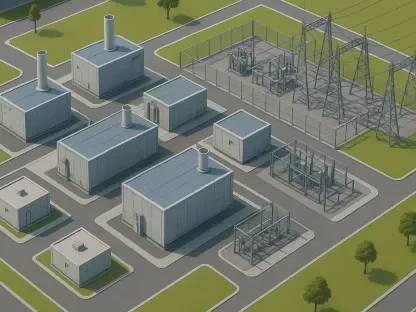
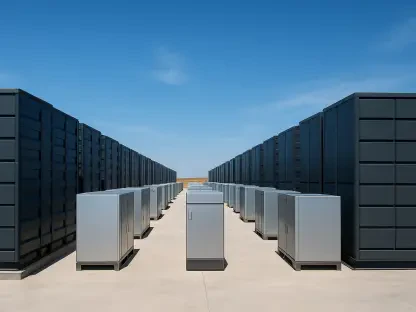
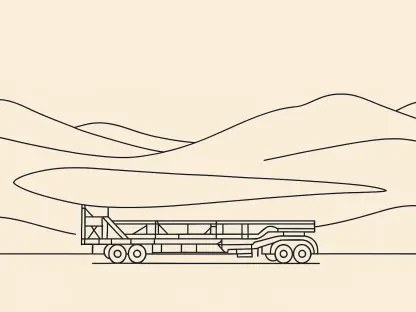
Under the logistical framework of the proposed plan, the federal government intends to select three finalists to manage the vast national nuclear stockpile, with each host state becoming responsible for roughly one-third of the country’s total spent fuel. This undertaking would necessitate a monumental shift in how the Idaho National Laboratory and surrounding infrastructure handle hazardous materials on a daily basis. The sheer volume of waste involved requires a massive expansion of current storage facilities, alongside rigorous upgrades to transportation networks to ensure the safe passage of radioactive casks across state lines. State planners emphasized that this commitment was not merely about storage but about creating a centralized hub where the lifecycle of nuclear fuel—from generation to disposal—could be managed with unprecedented efficiency. Such a large-scale operation would undoubtedly create thousands of specialized jobs, but it also placed an immense burden of responsibility on Idaho’s emergency response teams and environmental monitoring agencies.
Environmental Legacy: Challenging the 1995 Settlement Protections
The current push for expanded nuclear storage stands in direct opposition to the 1995 Settlement Agreement, a landmark policy brokered by the late Governor Phil Batt to prevent the state from becoming a permanent nuclear graveyard. For more than thirty years, the “Batt Agreement” served as a bulwark against the unchecked importation of waste, mandating strict removal deadlines and limiting the types of materials allowed within state borders. However, leadership in 2026, including Lieutenant Governor Scott Bedke, suggested that this legal framework must evolve to accommodate the rapid technological advancements occurring within the industry. Proponents argued that the Idaho National Laboratory has transformed from a mere storage site into a sophisticated center for nuclear recycling and advanced reactor design. To maintain this competitive edge, the state administration explored ways to amend these historic protections, treating spent fuel as a resource for future power generation rather than a burden to be discarded.
Despite the promised economic boons, environmental advocates and local activist groups like the Snake River Alliance raised alarms about the potential for Idaho to become a permanent dumping ground for the nation’s radioactive waste. These concerns were deeply rooted in Idaho’s history as a downwind state, where past nuclear testing left a legacy of respiratory illnesses and ongoing legal battles for federal compensation. Critics argued that the transportation and storage of a third of the national stockpile posed an unacceptable risk to the Eastern Snake Plain Aquifer, which remains the primary water source for millions and a vital component of the state’s agricultural economy. The resistance emphasized that no amount of financial incentive could justify the potential for irreversible environmental degradation or the long-term health risks to residents. Activists urged a return to the principles of the 1995 agreement, demanding that the state prioritize ecological safety over the uncertain promises of a nuclear manufacturing boom.
To address these multifaceted challenges, the state ultimately established a multi-agency task force that prioritized the implementation of real-time monitoring systems to protect vital water resources and ensure public safety. This collaborative group focused on developing actionable safety protocols that integrated advanced containment technologies, ensuring that all recycling and storage processes met the most stringent federal guidelines. Public engagement sessions were initiated to provide transparency regarding transport logistics and to allow for community feedback on the long-term management of the Innovation Campus. Leadership recognized that sustainable progress required a balance between industrial growth and the preservation of environmental health, advocating for a governance model that placed safety at the forefront of the nuclear renaissance. By shifting the focus toward active resource management and rigorous oversight, the state sought to provide a viable roadmap for navigating the complexities of the modern energy era.