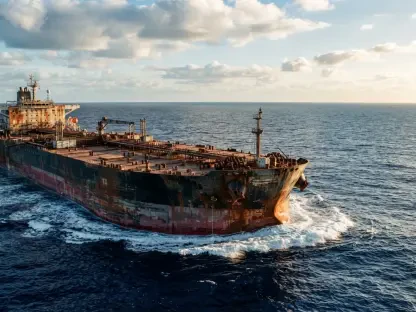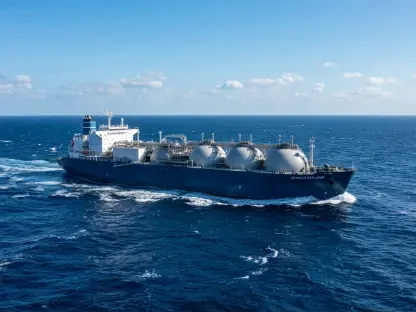

Gas above $4 and tankers threading Hormuz turbulence set the stage for a rare policy jolt that reaches from refinery gates to remote island grids and has reopened the hardest question in U.S. shipping: what price for control? The White House extended a 60-day Jones Act waiver by another 90 days, arguing it steadied supplies and smoothed port deliveries amid Iran-related risks.
The headline move became a proxy fight over the country’s maritime future. The central issue was not only whether pumps would blink lower this quarter, but whether a protected domestic fleet could be affordable, resilient, and investable when shocks hit without warning.
The U.S. Maritime Economy at a Crossroads: Scale, Segments, and Stakes
Coastwise, inland, and noncontiguous trades knit together a complex value chain carrying petroleum and refined products, containers, dry bulk, and roll-on/roll-off cargo. U.S.-flag operators, shipyards, unions, energy producers, refiners, traders, and port authorities each sit at chokepoints where small frictions ripple across the map.
The sector’s importance runs well beyond freight bills. Energy logistics, supply chain resilience, national security posture, and coastal employment rise or fall with vessel efficiency, digital routing, tug-and-barge optimization, port automation, and tightening emissions rules. The Jones Act’s build/flag/ownership/crewing mandates anchor this system, with waivers as the pressure valve and defense readiness as the backstop.
Signals in the Data and the Market: What’s Driving Momentum and What the Numbers Say
The immediate spark was clear: a 90-day extension layered on an initial 60-day waiver as gasoline averaged above $4 per gallon in late April. Officials framed the step as targeted relief from Iran-linked disruptions and Hormuz risk, claiming faster port turns and steadier inventories.
Markets, however, supplied the torque. Traders leaned into routing optionality, refiners hedged feedstock exposure, and shippers sought buffers against schedule slippage. The debate split along familiar lines—efficiency versus resilience, quick fixes versus industrial strategy—with heavier fallout in Hawaii, Alaska, and Puerto Rico that lack easy pipeline or rail substitutes.
Waiver as Spark, Markets as Engine: Trends Shaping Today’s Debate
Price dynamics remained sticky because global crude set the tone, even as domestic bottlenecks added noise. Regional constraints and refinery outages magnified spreads, so marginal routing gains mattered locally but struggled to overcome Brent-linked fundamentals.
Behavior shifted at the edges: more opportunistic voyages, altered liftings, and contingency charters. Supporters of the waiver highlighted delivery speed; skeptics questioned whether consumer prices moved meaningfully, noting that transparency on cargo volumes under waiver permissions lagged the rhetoric.
By the Numbers: Fleet Size, Costs, and Prospects
The oceangoing U.S.-flag fleet over 1,000 gross tons hovered near 92–93 ships, small by any yardstick and the subject of dueling decline narratives. Whether the contraction was roughly a fifth or steeper, capacity remained thin relative to shocks.
Cost differentials loomed large: newbuilds priced at four to eight times foreign yards, and operating costs more than double foreign-flag peers. Reform voices cited a petroleum cost burden near $769 million annually, while conceding that crude dominated price formation. Near term, any relief looked modest, yet coastal and inland demand could tilt upward, with repair and maintenance growth even if large-vessel construction continued to migrate.
Frictions and Fault Lines: Cost Pressures, Capacity Gaps, and Investment Risks
Compliance premiums, shipyard throughput limits, and the capital intensity of 30–50-year hulls strained balance sheets. With commercial shipbuilding at about 0.04% of global output, catch-up required both time and targeted investment.
Uncertainty over repeated versus case-by-case waivers complicated financing and orderbooks. Constrained domestic competition invited modal shifts and uneven burdens on noncontiguous regions. Proposed mitigations centered on fleet modernization, efficiency incentives, expanded tug-and-barge roles, and better logistics transparency to compress risk premiums.
Law, Waivers, and Security: How Rules Shape the U.S. Maritime System
The Jones Act’s build/own/flag/crew mandates remained intact, with national defense authority and Section 501(b) enabling case-by-case relief. Policymakers faced a calibration problem: solve acute shortages without eroding the strategic architecture that sustains a merchant marine and sealift capacity.
Oversight questions sharpened. Stakeholders pressed for clear tracking of cargo moved under waivers, defined durations and scopes, and disclosure standards. Reform advocates argued competition would lower costs and spur renewal; industry and labor emphasized investment stability and warned that waivers rarely cut pump prices while broadcasting damaging signals.
Plotting the Course Ahead: Scenarios, Disruptors, and Strategic Trade-offs
Technology offered levers: more efficient coastal tonnage, hybrid tug-barge operations, digital scheduling, and port optimization to raise asset turns. Disruptors—persistent geopolitical shocks, shifting refining patterns, and altered coastal energy flows—could reorder trade lanes faster than fleets could be rebuilt.
Strategic options ranged from partial liberalization and foreign-build allowances under U.S. flag and crew, to industrial strategies like shipyard upgrades, tax credits, targeted procurement, and workforce pipelines. Hybrid models—narrowly tailored waivers with triggers, sunsets, and reporting—sought middle ground. Consumer and regional impacts needed measurement across marginal price effects, resilience gains, and equity for noncontiguous communities.
Final Takeaways and Action Steps: Reconciling Affordability with Resilience
The extension delivered flexibility while crude markets kept the upper hand, so consumer relief was likely muted and difficult to isolate. Structural cost gaps persisted, and the small fleet magnified every policy signal, for better or worse.
Actionable steps followed from that reality. Transparent waiver reporting—volumes, routes, bottlenecks addressed, and measured price effects—would have anchored debate in evidence. Strict triggers and sunsets could have reduced investor anxiety. Targeted modernization, added maintenance capacity, and workforce pipelines would have improved productivity now, while pilot reforms in specific corridors could have tested cost and security outcomes under watchful metrics. A common data framework to track fleet health, cost trends, and resilience performance would have turned today’s controversy into tomorrow’s operating discipline.