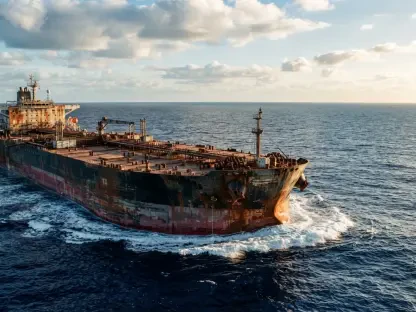

Crude markets vaulted higher as another attempt at U.S.–Iran talks unraveled, forcing traders to reprice a chokepoint that moves roughly a fifth of the world’s seaborne oil and sits at the center of every Gulf supply plan. Brent for June settled near $108.23 per barrel, up almost 3%, while WTI for June added about 2% to $96.37, a jump that reflected both near-term export bottlenecks and waning faith in a quick diplomatic fix. The mechanics were plain: with fewer barrels clearing the Strait of Hormuz and no clear path to de-escalation, the prompt market tightened and the futures curve steepened. Insurance premia edged higher, spot freight firmed, and refiners that rely on medium-sour grades faced harder procurement choices. Pricing screens captured the anxiety, but the deeper shift was structural—risk premia embedded into benchmarks and refined products, signaling that security, not demand, was steering the tape.
Market Dynamics and Price Signposts
Building on this foundation, banks and trading houses sketched a higher-for-longer baseline shaped by logistics rather than macro demand. ING flagged that absent diplomatic traction, balances tightened each day, pushing refiners into alternative slates and nudging crack spreads wider. Goldman Sachs lifted its fourth-quarter Brent average to $90 from $80 and WTI to $83 from $75, citing slower normalization of Gulf exports and persistent routing frictions. Citi mapped the tail risk, warning Brent could test $150 if curtailed flows lingered through end-June, a scenario that would stress strategic stockpiles and raise backwardation enough to penalize inventory holders. In the physical market, tender calendars slipped and term allocations were trimmed, while some tankers idled off Fujairah awaiting safer windows. Hedging behavior shifted too: airlines added upside collars, independent refiners layered call spreads, and producers opportunistically sold rallies to fund drilling programs without capping optionality.
Diplomatic Signals and Practical Next Steps
In contrast to market clarity, diplomacy sent mixed cues. Tehran floated an idea to reopen the Strait while deferring nuclear issues, but Washington shelved plans to dispatch envoys to Islamabad, and public remarks from President Trump alongside Iran’s Foreign Ministry underscored the absence of direct engagement. That stasis kept insurance underwriters cautious and delayed any swift return to normal transit protocols. The actionable playbook was straightforward and had rewarded discipline: traders leaned into time-spread optionality, built buffer stocks at European and Asian hubs, and staggered liftings to dilute voyage risk. Refiners diversified crude diets toward West African and North Sea barrels, tuned distillation runs for lighter slates, and pre-booked Aframax and Suezmax capacity where available. Policymakers’ most credible levers were calibrated releases from strategic reserves and signals on sanctions waivers, while operators tracked concrete milestones—pilot convoys, insurer greenlights, and verified loadings at key Gulf terminals—before assuming any durable easing in risk premia.