
The steady hum of a Caribbean evening is increasingly being replaced by an eerie, forced silence as Havana’s aging power grid buckles under the weight of a geopolitical chess match that has effectively severed the island’s last remaining energy arteries. While the global community often sees oil as a mere commodity, for Cuba, it has become the primary theater of a renewed Cold War-style confrontation. The U.S. Treasury Department has recently tightened the noose, specifically modifying Office of Foreign Assets Control (OFAC) regulations to ensure that even as temporary reprieves are granted to other nations to stabilize global energy prices, Cuba remains strictly excluded. This surgical isolation transforms a regional trade dispute into a high-stakes blockade that leaves millions in the dark.
The Targeted Deep Freeze of Havana’s Energy Pipeline
Washington’s latest maneuver involves a calculated exclusion that separates Cuba from the broader global response to energy volatility. In a move to mitigate the fallout from Middle Eastern conflicts, the United States allowed certain entities to purchase stranded Russian oil; however, it explicitly barred any of these resources from reaching Cuban ports. This policy is not merely an extension of existing sanctions but a deliberate intensification designed to starve the Cuban administration of the fuel necessary to maintain basic infrastructure. By cordoning off the island while others receive relief, the U.S. has signaled that its strategic patience with Havana has reached a freezing point.
This energy quarantine has created a precarious environment where the Cuban government must choose between total systemic collapse and increasingly risky procurement methods. The absence of a middle ground in U.S. policy reflects a shift toward a maximalist pressure campaign that views fuel as a weapon of political change. As the island struggles with widespread blackouts and a failing industrial sector, the human cost of this high-level brinkmanship continues to mount, placing the Caribbean nation at the center of a larger struggle for ideological dominance in the Western Hemisphere.
From Venezuelan Lifelines to Russian Shadow Tankers
The current desperation in Havana is the direct result of a crumbling energy architecture that once relied on ideological solidarity. For years, subsidized crude from Caracas provided a reliable buffer, but that lifeline dissolved following U.S.-led efforts to isolate the Maduro administration in Venezuela. Today, Cuba finds itself in its most catastrophic energy deficit since the “Special Period” following the Soviet collapse. With the current U.S. administration labeling Havana an “extraordinary threat,” the island has been forced to pivot toward Moscow, turning the Caribbean into a modern arena for Russian shadow fleet operations and clandestine trade.
This forced alliance with Russia is born of necessity rather than mere political alignment. As the traditional Latin American energy bloc weakens under American pressure, Moscow has stepped in to fill the vacuum, using fuel shipments as a tool for influence just miles from the Florida coast. This shift marks a return to a polarized regional dynamic where Cuba is once again a pawn in a larger struggle between superpowers. The reliance on Russian tankers introduces a layer of complexity to maritime security, as every successful delivery is viewed by Washington as a breach of its regional containment strategy.
Deception on the High Seas: The Battle of the Tankers
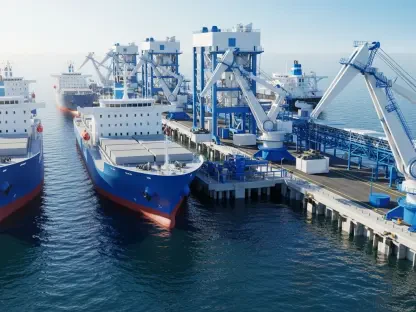
The frontline of this standoff is currently moving through international waters, where a sophisticated game of maritime cat-and-mouse is unfolding. The vessel Sea Horse, reportedly carrying 190,000 barrels of gasoil, has become a focal point for monitors due to its use of “dark shipping” tactics, such as disabling transponders to mask its journey. Similarly, the Russian-flagged Anatoly Kolodkin is estimated to be transporting 730,000 barrels of crude, representing a direct defiance of threatened U.S. tariffs. These ships are the lifeblood of a nation under siege, and their arrival or interception carries immense political weight.
The economic consequences of this isolation extend far beyond the fuel pumps, affecting every sector of the Cuban economy. The cost of redirecting shipping routes and employing deceptive location maneuvers has inflated the price of energy to unsustainable levels, paralyzing domestic transportation and agriculture. While Washington threatens trade penalties, Moscow views these gestures as empty threats, given that U.S.-Russia commercial ties have already largely disintegrated. This disconnect ensures that the battle of the tankers will likely intensify as both sides refuse to blink.
Voices of Defiance: Sovereignty in the Face of Scarcity
The rhetoric from both Moscow and Havana has hardened, signaling a collective refusal to submit to American economic demands. Russian officials have framed their continued support for Cuba as a matter of geopolitical principle, indicating that they will not be deterred by financial threats in their pursuit of maintaining presence in the Caribbean. This defiance suggests that the U.S. strategy may be backfiring by cementing a “triple axis” of resistance involving Russia, Cuba, and Venezuela, which collectively find strength in their shared status as targets of Western sanctions.
Within Cuba, the leadership has adopted a stance of unyielding resistance, with President Miguel Díaz-Canel asserting that political sovereignty is not a tradable commodity for fuel. This narrative of national dignity serves to galvanize a population facing severe hardship, even as the government struggles to keep the lights on. Expert analysis suggests that this “maximalist pressure” from Washington often limits the room for diplomatic maneuvering, as neither side can afford to appear weak. Consequently, the standoff remains stagnant, with fuel levels serving as the ultimate metric of political survival.
Navigating the Crisis: Strategic Realities for the Caribbean Basin
As the standoff intensified, international maritime authorities adapted their tracking methods to monitor “dark” shipping patterns more effectively. This technological arms race focused on identifying vessels that utilized AIS spoofing to bypass the blockade. For Havana, the only path forward involved a desperate search for diversification, including a slow transition toward renewable energy and the exploration of non-Western financial systems to settle accounts. These shifts represented an attempt to build a degree of energy independence that was not contingent on the shifting winds of U.S. foreign policy.
The Iranian variable also played a crucial role in how the crisis evolved, as regional stability was weighed against the desire for containment. Prolonged blackouts and fuel rationing in Cuba eventually raised concerns about social unrest and migration surges that could spill over into neighboring nations. Leaders in the Caribbean Basin were forced to consider a framework for prediction that accounted for the ripple effects of a total energy collapse. Ultimately, the resolution of this crisis required a shift toward pragmatic regional cooperation to prevent a humanitarian catastrophe from destabilizing the entire Western Hemisphere.