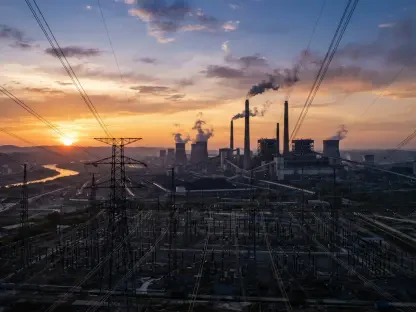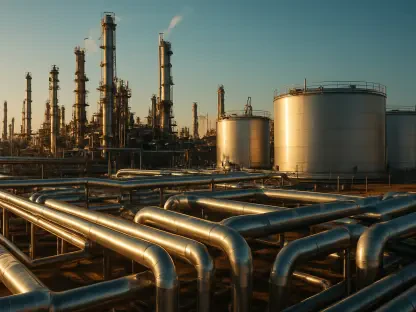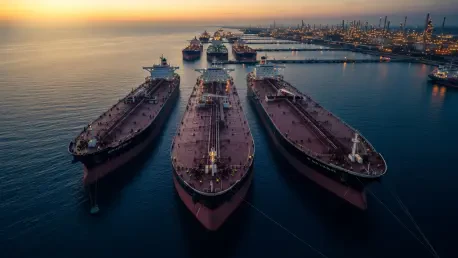

The staggering volume of Iranian oil currently languishing in maritime storage vessels serves as a stark reminder that physical supply no longer dictates market dominance in an age of energy transition. While the lifting of international sanctions was once heralded as the ultimate reset for the Iranian economy, the current landscape reveals that policy shifts alone are no longer sufficient to reclaim lost market share. The global energy landscape has shifted, creating a bottleneck that threatens to keep Iranian oil grounded regardless of diplomatic progress or renewed export permits.
The Evolution of Iran’s Energy Position and Sanctions History
For years, the Iranian economy remained tethered to its ability to export crude, but relentless rounds of international sanctions restricted its access to traditional shipping networks. These restrictions led to the development of “floating storage,” where millions of barrels wait in tankers for buyers willing to navigate legal complexities. In the past, Tehran relied on a few partners to absorb this excess at a discount, yet these shifts mean the old way of doing business is no longer a viable path to clearing stockpiles in a more transparent and selective global market.
Multidimensional Barriers to Market Re-entry
The Cooling Pivot of China’s Energy Strategy
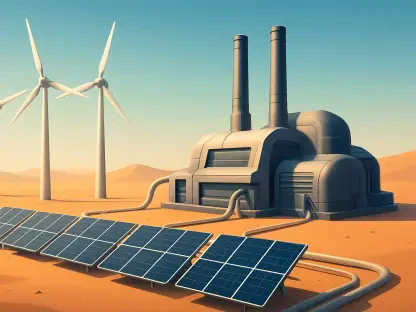
The most significant blow to Iranian export ambitions is the changing appetite of China, which has seen its imports plummet to the lowest levels since 2018. This reflects a strategic pivot toward a green transition, prioritizing domestic energy reforms over traditional oil reliance. As Chinese leadership incentivizes electric vehicle adoption, the demand for the heavy crude often supplied by Iran is being squeezed out of its most critical market, making demand recovery increasingly unlikely.
A Saturated Market and the Surge of Rival Supply
Even if demand were stable, Iran faces a daunting surge from rival producers as OPEC+ reverses previous output curbs. Simultaneously, Russian exports have reached significant levels, competing directly for the same discount-seeking buyers. This influx has created a global glut, meaning Iran is no longer the unique provider of affordable, non-Western-aligned crude in an environment where supply consistently outpaces the needs of a slowing global economy.
Geopolitical Friction and the Strait of Hormuz
Heightened tensions in the Strait of Hormuz have further complicated recovery by introducing high risk premiums for shipping and insurance. Threats of a tiered toll system intended to penalize specific countries have backfired, driving buyers toward more stable regions like the Americas. These volatilities reinforce a global desire to diversify away from the region, devaluing Iranian stockpiles and highlighting the risks of relying on unstable transit routes.
Emerging Trends and the Future of Fossil Fuel Geopolitics
Technological innovations in the Western Hemisphere ensure global supply remains robust while battery advancements erode long-term demand. The industry is entering an era where a scarcity mindset is replaced by a surplus mindset, forcing producers to fight for a shrinking pool of buyers. Regulatory changes, including carbon taxes, will make it increasingly difficult for nations with high-sulfur crude to find refineries willing to process their oil without heavy capital investment.
Strategic Takeaways for Energy Stakeholders
Stakeholders must link the Iranian oil trade directly to China’s green initiatives, as renewable growth impacts global inventory levels. Diversifying supply chains to mitigate regional transit risk is essential to navigate future volatility. Finally, the current glut suggests that oil prices will remain under pressure, shifting the balance of power toward buyers who now prioritize quality and environmental compliance over historical diplomatic ties.
Final Assessment of the Shifting Energy Paradigm
The analysis confirmed that the energy market reached a state where geopolitical leverage was no longer defined by resource volume. Decision-makers recognized that the transition to green technologies and rival supply effectively neutralized the impact of potential sanctions relief for Iran. Ultimately, the struggle to clear these stockpiles provided a definitive blueprint for the future, where success depended on technological relevance and market stability rather than raw output.