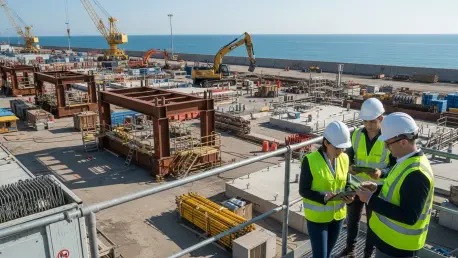

The transformation of a decommissioned army base in Oakland from a symbol of military history into a flashpoint for international trade and local environmental justice has reached a critical juncture that mirrors the broader struggle over the future of American energy infrastructure. What was originally envisioned as a multifaceted shipping terminal designed to modernize the city’s industrial waterfront has instead evolved into a decade-long saga of litigation and distrust. This transition began when the collaborative spirit of the initial project was overshadowed by the discovery of clandestine negotiations to utilize the facility for coal exports from the Intermountain West. The revelation that the terminal would serve as a conduit for fossil fuels sparked an immediate and sustained backlash from local residents who perceived the plan as a betrayal of public health. This conflict now serves as a primary example of the friction between legacy industrial ambitions and the contemporary standards of sustainability demanded by urban populations in 2026.
Regulatory Constraints: The Clash of Interests
Evaluating the Scope of Regulatory Freezes
A central element of this ongoing dispute rests upon the “regulatory certainty” clause embedded in the original 2013 development agreement, which granted the developer immunity from subsequent city laws that might impede the project. This clause was intended to provide a stable investment environment by ensuring that the ground rules for construction and operation would not change mid-stream. However, the city attempted to exercise its fundamental “police power” in 2016 by enacting a ban on the handling and storage of coal, arguing that the protection of public welfare superseded any private contractual arrangement. The legal friction emerged from the developer’s insistence that the city was contractually bound to the rules in place at the time of the signing, effectively freezing environmental standards in the past. This tug-of-war illustrates the complex challenges municipalities face when trying to implement modern health protections over land-use agreements that include rigid legal safeguards for private industry.
The resulting legal battle highlighted the high evidentiary bar required for a local government to break a development contract based on health concerns. When the city of Oakland presented its case for the coal ban, it relied on expert testimony regarding the deleterious effects of coal dust on the respiratory health of nearby residents. Nevertheless, a federal judge ultimately ruled that the city failed to provide the specific and reliable evidence necessary to prove a “substantial danger” as defined by the narrow parameters of the 2013 agreement. This decision underscored the judiciary’s tendency to prioritize the sanctity of contracts unless the threat to public safety is documented with exhaustive technical precision. For the city, the ruling was a stark reminder that even well-intentioned environmental policies can be stymied by administrative records that are deemed insufficient under strict legal scrutiny. The outcome forced a realization that future agreements must be drafted with more flexible clauses.
Managing Lease Defaults and Financial Distress
As the regulatory conflict intensified, the city pivoted to a different legal strategy focused on the developer’s failure to meet specific construction milestones outlined in the ground lease. By alleging that the project was essentially stagnant, the city sought to terminate the lease and reclaim the valuable waterfront property for alternative uses that aligned more closely with current community needs. The developers countered this move by arguing that the city’s own legislative and legal interference had created an environment where meeting deadlines was functionally impossible. They claimed that the constant threat of new bans and the resulting uncertainty had scared away potential sub-tenants and investors, thereby creating a self-fulfilling prophecy of project failure. This back-and-forth created a stalemate where the land remained underdeveloped while both parties blamed the other for the lack of progress. This specific dispute demonstrates how litigation can become a double-edged sword.
The complexity of the situation increased significantly when the entity responsible for the terminal project filed for bankruptcy protection, further insulating it from the city’s attempts to seize the lease. This tactical move allowed the developers to reorganize their finances while simultaneously pursuing a multi-million dollar lawsuit against the city for damages related to the lost business opportunities. The bankruptcy proceedings introduced a new layer of federal oversight, as the court had to weigh the city’s rights as a landlord against the rights of the debtor to preserve its assets. For the local community, this represented a frustrating delay, as the site became entangled in a web of insolvency laws that favored the preservation of the project over its immediate termination. The financial instability of the developer raised serious questions about the long-term viability of a project that required such heavy litigation to sustain itself. It also highlighted the risks cities take when entering into deals with unstable entities.
National Priorities: The Evolving Energy Landscape
Measuring the Impact of Federal Investment
The landscape of the conflict shifted dramatically with the recent announcement of a $75 million infusion from the Department of Energy, intended to breathe new life into the stalled infrastructure. Proponents of this federal intervention argue that the terminal is a vital component of a broader strategy to maintain American energy dominance by facilitating the export of domestic resources to emerging markets. This funding is positioned as a strategic move to ensure that the United States remains a competitive player in the global logistics arena, particularly as other nations expand their port capacities. By providing this capital, the federal government is signaling that it considers the Oakland project a matter of national interest that transcends local zoning disputes or municipal ordinances. For the developers, this cash injection provides the necessary leverage to continue their legal and logistical preparations, effectively bypassing the private sector’s reluctance to fund such a controversial venture.
The decision to allocate substantial taxpayer funds to a project that has faced such intense local opposition has deepened the divide between federal policy and municipal environmental goals. Critics of the Department of Energy’s move contend that the funding acts as a government-subsidized lifeline for an industry that is increasingly disconnected from the economic realities of the modern world. They argue that if the project were truly viable, it would not require such significant public intervention to remain solvent amidst its numerous legal challenges. This infusion of federal capital has been interpreted by local advocacy groups as a direct challenge to the community’s right to self-determination regarding its own environmental health. The situation has created a scenario where federal agencies are actively working against the stated preferences of the local population, further complicating the political optics of the redevelopment project. This tension underscores the growing difficulty of aligning national economic strategies.
Navigating Future Oversight and Public Accountability
Even with the arrival of federal funding, the path to project completion remains obstructed by a series of rigorous regional and state-level environmental regulations that cannot be easily bypassed. The project must still secure crucial air quality permits from local regulators who are under immense pressure to uphold the strict standards characteristic of the region. These permitting processes involve extensive public hearings and detailed environmental impact assessments that will likely be scrutinized by a coalition of legal and scientific experts. Since federal money does not grant an exemption from these regional mandates, the terminal operators must demonstrate that their activities will not exacerbate the already high levels of industrial pollution in West Oakland. Environmental organizations have already prepared for this next phase of the conflict, signaling their intention to challenge every permit application in the interest of public safety. This upcoming regulatory gauntlet ensures that the federal investment is not a guaranteed success.
The prolonged battle over the Oakland terminal project established a critical precedent for how urban centers might navigate the intersection of industrial legacy and modern health standards. Stakeholders recognized that future development agreements must prioritize transparency and include flexible regulatory clauses to avoid the legal traps of the past. City planners shifted their focus toward drafting contracts that allowed for the adoption of new safety technologies without triggering breach-of-contract claims. Meanwhile, community advocacy groups demonstrated that consistent legal pressure and public mobilization could successfully slow the progress of projects that lacked local consent. Moving forward, the emphasis remained on fostering early dialogue between developers and residents to ensure that infrastructure goals aligned with the health of the surrounding neighborhoods. This approach aimed to replace the adversarial nature of these projects with a model of collaborative development that weighed economic benefits against long-term ecological impacts.