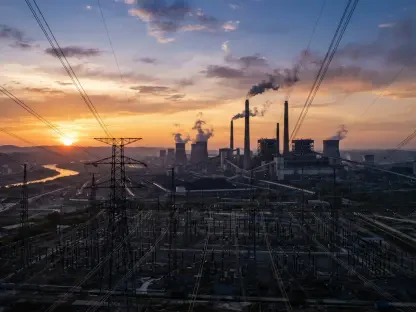

Economic Attrition: The New Frontier in the Russo-Ukrainian War
The strike on the Omsk oil refinery, situated 1,500 miles from the front lines, signals a definitive transformation in the geography of the Eastern European conflict. What began as a localized defense of sovereign territory has evolved into a high-stakes campaign of long-range economic sabotage. By deploying locally developed “Fire Point” drones to penetrate the Russian heartland, Kyiv is targeting the industrial machinery that sustains the Kremlin’s war effort. This explores whether these deep strikes can dismantle the Russian oil economy by examining technological leaps and the resulting economic fallout.
Strategic Shifts: From Frontline Defense to Siberian Infrastructure
For much of the conflict, the Siberian industrial base was considered a safe haven, far removed from the reach of conventional weaponry. This insulation allowed Russia to maintain a steady flow of refined products for domestic consumption and military logistics. However, the realization that fossil fuel revenues drive the war effort forced a change in tactics. By striking deep into Siberia, Ukraine challenges the assumption that Russia can wage a protected war while its economy remains unscarred. This transition to long-range precision drones marks a turning point in strategic reach.
Impact Analysis: Precision Strikes on Energy Infrastructure
Capacity Vulnerability: Russia’s Downstream Refining Sector
The Omsk refinery is a damaging target because of its scale as a gasoline producer with a capacity of 21 million metric tons. Disrupting such a hub creates immediate bottlenecks, leading to fuel shortages and price spikes. Repairing specialized units under international sanctions is difficult, meaning capacity loss cannot be easily mitigated. This strikes at finished-grade fuel production, which is more critical for the war effort than crude oil exports.
Innovation Advantage: Fire Point Drone Technology
The “Fire Point” drone represents a critical innovation, providing a cost-effective way to challenge a larger power. By hitting high-value distillation towers, a single drone can cause millions in damages. This strategy highlights a major challenge: the cost of defending every square mile of energy infrastructure is prohibitively high. This creates a persistent risk that Ukraine is now prepared to exploit through increasingly autonomous systems.
Diplomatic Maneuvers: The Search for a Settlement
The strikes occur as 32 heads of state prepare for the NATO summit in Ankara, suggesting these operations are intended to improve leverage at the bargaining table. Communications between U.S. political figures and both warring parties indicate a push for a resolution. However, this strategy carries risks of severe retaliation, as seen in recent missile barrages. The interplay between military escalation and diplomatic maneuvering remains a complex variable in the current landscape.
Long-Range Warfare: The Evolution of Global Energy Security
Looking toward the future, the trend of long-range autonomous strikes will likely accelerate as range limitations vanish. This shift will prompt a reorganization of air defense assets, pulling systems away from the front lines to protect economic hubs. Furthermore, these disruptions could have a ripple effect on global markets, as drops in refined product exports affect supply dynamics. Russia will seek new ways to jam signals, while Ukraine iterates on stealth features to maintain its reach.
Market Strategies: Navigating the Realities of Conflict
Escalation against energy infrastructure provides key insights: the resilience of supply chains is tied to the technological capabilities of smaller state actors. Businesses must account for “geographic creep,” where distance no longer provides security. Strategies should focus on diversifying energy sources to mitigate volatility. Observers should monitor repair timelines as a primary indicator of long-term economic endurance under the pressure of ongoing attrition.
Strategic Consequences: Weighing the Impact of Ukraine’s New Reach
The ability to strike the Omsk refinery signaled a more volatile chapter in the conflict. By bringing the war to the energy heartland, Kyiv proved that the oil economy was not an untouchable fortress. These strikes introduced friction and financial strain that the Kremlin could not easily ignore. The effectiveness of this strategy was measured by the pressure it exerted on the negotiation process. Ultimately, the Omsk operation served as a reminder that economic stability was as much a target as any military outpost.