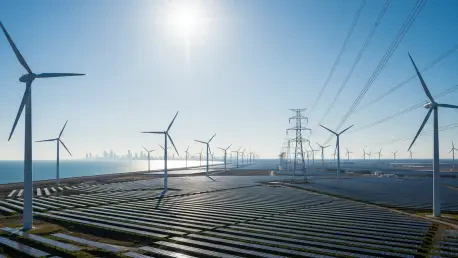

The ongoing structural shift within India’s domestic energy sector represents a complex transition toward sustainability that requires a massive realignment of industrial priorities to meet the increasing demand for clean electricity. This transformation marks a departure from traditional fossil fuels as the nation pursues a more resilient and carbon-neutral infrastructure.
Key stakeholders, including Girish Tanti, the Vice Chairman of Suzlon and Chairman of the Indian Wind Turbine Manufacturers Association, or IWTMA, are instrumental in defining this path. These leaders collaborate with the Ministry of Power to solidify the industrial foundation needed to achieve the ambitious 500 GW renewable energy target by 2030.
Overview of the Renewable Energy Landscape and Key Stakeholders
The current industrial framework emphasizes the necessity of a diversified energy portfolio to ensure long-term national security. By integrating various green technologies, the government aims to create a stable environment where private players can thrive while fulfilling international climate commitments.
Suzlon and other members of the IWTMA provide the technical expertise and manufacturing muscle required for this scale. Their strategic vision aligns with national goals, focusing on how different renewable sources can complement one another to build a robust and modern power grid.
Evaluating Performance, Cost-Effectiveness, and Grid Synergy
Operational Timing and Grid Reliability
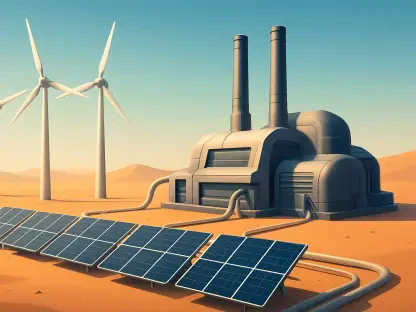
Wind and solar power exhibit distinct generation patterns that dictate their roles within the national grid. Solar energy production is confined to daylight hours, whereas wind energy often reaches its maximum output during the morning and evening periods when consumer demand is typically at its highest.
Currently, the energy mix maintains a three-to-one ratio in favor of solar, but experts suggest a shift to a 40% wind and 60% solar split. This adjustment would ensure a more consistent power supply, effectively reducing the reliance on expensive battery storage systems that are otherwise necessary to manage solar intermittency.
Financial Viability and System-Wide Savings
Expanding wind capacity requires significant upfront capital, with an estimated Rs 1 lakh crore needed to add 90 GW. However, this investment is justified by the massive gross system savings of Rs 3 lakh crore that such an expansion is projected to generate over time.
By 2035, the net savings are expected to reach Rs 2 lakh crore, making wind a vital economic driver. Compared to a solar-heavy strategy, this balanced approach minimizes the financial burden on the grid while maximizing the return on infrastructure spending.
Industrial Capacity and Deployment Metrics
India currently possesses a domestic manufacturing capacity of 24 GW annually, yet actual installations for the current year are only projected to reach 8 GW. This disparity highlights a significant underutilization of existing industrial resources and specialized facilities.
Bridging the gap between production potential and commissioning rates is essential for maintaining the health of companies like Suzlon. Maximizing these resources ensures that the country leverages its established manufacturing base to meet domestic demand efficiently and competitively.
Practical Challenges and Infrastructure Bottlenecks
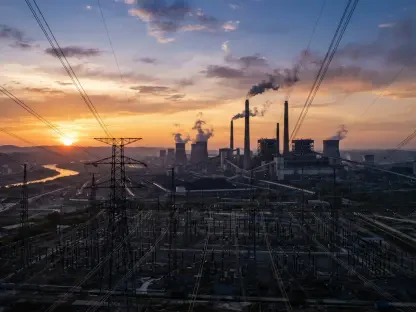
A significant “transmission gap” persists, as renewable energy projects often reach completion in just two to three years. In contrast, the development of the necessary grid infrastructure typically takes four to five years, leaving many completed wind farms without a connection to the grid.
State-level obstacles, such as complex land acquisition processes, further complicate the rollout of new projects. Synchronizing the timelines between private developers and the Ministry of Power is crucial to prevent technical delays and ensure that sustainable power reaches the end consumer without unnecessary waiting periods.
Summary of Findings and Strategic Recommendations
The analysis identified that a balanced wind-solar mix offered the most reliable and cost-effective solution for future energy needs. Policymakers focused on streamlining land acquisition and improved coordination between the Ministry of Power and state authorities to remove persistent bottlenecks.
Strategic investments in wind infrastructure proved to be a financially sound decision that enhanced grid stability. By aligning project timelines with transmission development, the government successfully optimized the renewable sector and secured massive system-wide savings for the coming decade.