
South Africa is currently witnessing a transformative era in its energy sector as wind power matures into the primary driver of the national grid’s transition away from fossil fuels. For years, the nation faced chronic electricity shortages that stifled industrial output and dampened economic prospects. The emergence of high-capacity wind farms, particularly in the coastal corridors of the Eastern Cape, has provided a scalable solution to these long-standing challenges. This shift represents a broader commitment to energy sovereignty and environmental stewardship, moving beyond the coal-heavy traditions of the past. As the cost of wind technology continues to plummet, it has become the most viable option for large-scale utility projects. The government’s integrated resource plan now prioritizes wind as a cornerstone of the energy mix, ensuring a more resilient and decentralized power network. This evolution is not just about meeting carbon targets; it is about creating a stable foundation for growth.
Strategic Evolution of the Renewable Energy Framework
Infrastructure Expansion and Grid Modernization
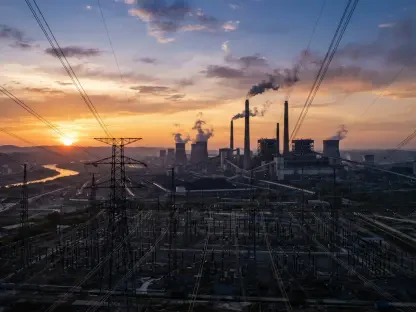
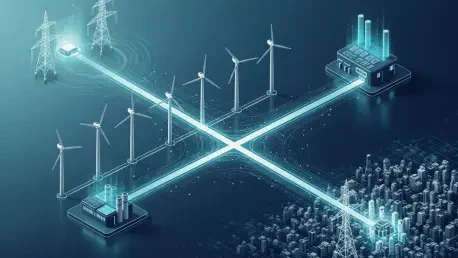
The rapid expansion of wind energy is underpinned by significant investments in the national transmission grid, which was originally designed for centralized coal power. Modernizing this infrastructure has required the deployment of advanced substations and high-voltage lines capable of carrying power from remote coastal regions to the inland industrial heartlands. These upgrades have been essential for managing the variable output of wind farms and ensuring that peak generation periods do not overwhelm the system. Furthermore, the integration of smart grid technologies allows for better real-time monitoring and distribution of energy across the provinces. By utilizing predictive algorithms, grid operators can now anticipate fluctuations in wind speed and adjust the supply accordingly, reducing the need for backup thermal plants. This technological leap has significantly enhanced the overall reliability of the national power supply. The focus on infrastructure ensures that capacity is effectively used.
In addition to physical hardware, the regulatory environment has evolved to facilitate the rapid rollout of independent power producer projects. New policy directives have simplified the environmental permitting process while maintaining rigorous standards for ecological protection. This balance allows for faster project timelines, enabling developers to bring new capacity online in response to immediate energy demands. The competitive bidding process has also driven efficiency, encouraging the adoption of the latest turbine technologies and construction techniques. As a result, South Africa has become a preferred destination for international renewable energy investment, attracting billions in capital. The transparency of the procurement framework provides a level of certainty that is crucial for long-term project viability. These policy advancements are creating a sustainable ecosystem where both state and private entities can collaborate on national energy goals. This framework serves as a model.
Technological Innovations in Turbine Systems
The current generation of wind turbines being deployed across South Africa features significantly larger rotor diameters and enhanced hub heights compared to earlier models. These design improvements allow for the capture of more consistent and powerful wind currents at higher altitudes, which maximizes the energy output per individual unit. The use of carbon-fiber reinforced blades has also reduced the weight of these massive components, allowing for larger spans without compromising structural integrity. Advanced pitch and yaw control systems further optimize performance by adjusting the orientation of the blades in real-time to match changing wind conditions. This level of precision ensures that the turbines operate at peak efficiency even in challenging weather environments. As these technologies become more widespread, the overall productivity of wind farms has increased substantially. The transition to higher-capacity machines has also reduced the land footprint required for energy generation.
Complementing these hardware advancements is the integration of massive battery energy storage systems that act as a buffer for the national grid. These storage solutions are critical for addressing the intermittency of wind, allowing excess power generated during high-wind periods to be stored and released when demand is at its highest. This capability effectively transforms wind power into a reliable source of base-load energy, capable of supporting heavy industry and residential needs around the clock. The deployment of lithium-ion and flow battery technologies at substation levels has provided grid operators with unprecedented flexibility. Moreover, digital twin technology is being used to monitor the health of these assets, enabling predictive maintenance that prevents costly equipment failures. The synergy between high-efficiency turbines and large-scale storage is a defining feature of the landscape. This maturation ensures that wind power remains a stable and predictable component of the grid.
Future Considerations for Grid Stability and Resilience
The transition to wind energy successfully demonstrated how a strategic alignment between policy, technology, and private investment could resolve a chronic energy crisis. Stakeholders learned that the key to long-term success lay in the continuous modernization of grid infrastructure and the localization of the renewable supply chain. By prioritizing these areas, the nation secured its energy future while fostering a new industrial sector that provided thousands of skilled jobs. The focus shifted toward exploring offshore wind potential and expanding regional energy trade to further enhance grid resilience. Leaders recognized that maintaining this momentum required ongoing commitment to research and development in storage technologies. The actionable insights gained from this period of rapid growth provided a clear roadmap for future projects. Ultimately, the shift to wind power established a foundation for sustainable economic development that was decoupled from carbon-intensive practices.