
A single-page filing can reshape an energy company’s destiny when it unlocks new lanes for capital, technology, and customers across clean fuels and power, and Oriana Power just tested that proposition with a new subsidiary designed to stretch far beyond solar EPC comfort. The move set a tone: scale will come not only from panels and inverters, but from molecules, storage, and grid-grade infrastructure stitched together under one roof.
The decision arrived with unusual clarity. Evercore Projects Private Limited, incorporated on April 7, certified on April 17, and disclosed on April 18 under SEBI LODR by Company Secretary Tanvi Singh, launched as a wholly owned, related-party vehicle with “authorized capital of Rs. 1 lakh” and “pre-revenue at launch.”
Why This Story Mattered
Investors, policymakers, and industrial buyers have hunted for bankable partners able to deliver end-to-end projects rather than isolated assets. A lean vehicle that promises generation, storage, and clean fuels suggests a bid to close that gap while the policy window is open.
The timing aligned with India’s National Green Hydrogen Mission nudging offtake and capital toward electrolyzers, green hydrogen, and derivative fuels. Transparency discipline also signaled intent: a dated, SEBI-compliant trail framed a governance-first expansion rather than a promotional pivot.
The Nut Graph: Stakes, Context, Momentum
Oriana entered this moment with momentum that extended beyond rooftop arrays. A Rs. 3,135 crore green ammonia offtake with SECI and a Rs. 1,180 crore EPC award for a 234 MW floating solar project hinted at execution breadth and appetite for complex infrastructure.
The core question became whether a small, purpose-built arm could convert EPC muscle into integrated solutions—production, infrastructure, storage, and services—fast enough to meet demand for firm power and low-carbon molecules.
Inside Evercore: Scope, Mandate, Use Cases
Evercore’s charter spanned generation, EPC, O&M, consultancy, R&D, and manufacturing, authorizing commercialization of hydrogen, fuel cells, green ammonia, e-methanol, and green methanol. That range created optionality to solve for both electrons and molecules.
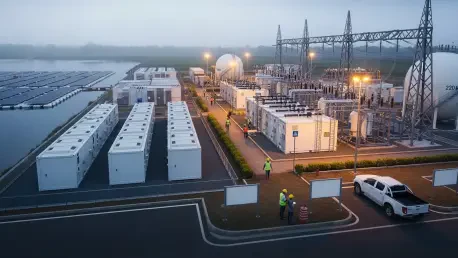
On the ground, that meant BESS for peak shaving and renewable firming; modular electrolyzers paired with solar; and compressed biogas to tap waste-to-energy value chains. Hybrid designs—solar + BESS with hydrogen-ready interconnections—promised flexibility as economics evolved.
The Market Pulse: Signals, Pressure, Openings
Rising renewable penetration strained grids and pushed storage into the mainstream as states sought frequency support and firm capacity. Meanwhile, decarbonization mandates in refining, fertilizers, and shipping opened lanes for green molecules and import substitution.
Industry experience offered clues. EPC firms that layered captive development and owner’s engineering often scaled faster in storage and hybrids. Long-cycle fuels projects typically started with low-capital vehicles, then leaned on SPVs, offtake certainty, and non-recourse debt to ramp.
A Practical Path: Capital, Partnerships, Execution
A stage-gated approach looked pragmatic: parent support, project SPVs, grants and incentives, and structured debt, hedged by diversified offtake and phased commissioning. Aligning with OEMs for electrolyzers, fuel cells, and batteries could compress timelines and lower integration risk.
Execution discipline would matter as much as ambition: site control, permits, water logistics, and interconnection for hydrogen; digital O&M to lift availability; and clear metrics—contracted offtake volume, IRR/WACC spread, capacity added in MW/MWh/TPA, and EHS performance.
The Takeaway
Evercore gave Oriana a structured way to turn EPC wins and SECI-linked offtakes into anchor projects while testing green fuels at bankable scale. The path ahead favored those who blended vertical integration with transparent governance, standardized hardware, credible offtake, and disciplined project finance.