
The arrival of extreme summer heat usually signals a rise in utility expenses, but this season presents a baffling economic paradox where the price of bulk power is falling while residential costs soar. While energy commodities are becoming cheaper to produce across the nation, American households are currently bracing for a financial squeeze that seems to defy traditional market logic. This summer, the price utilities pay for bulk electricity is dropping significantly, yet the amount homeowners owe on their monthly statements is hitting record highs.
This trend represents a frustrating reality where the industrial “sale” on energy never reaches the kitchen table, leaving families to navigate a cooling season that is both physically and financially stifling. This disconnect highlights a growing rift between the generation efficiency of the power grid and the economic burden placed on the end consumer. As households struggle with high temperatures, the theoretical benefits of a cheaper grid remain elusive for those paying the residential bills.
The Surprising Gap: Market Prices and Monthly Statements
The gap between market prices and household reality stems from a complex shift in how infrastructure costs and demand surges are managed by providers. While the units of energy themselves cost less to generate at the source, the price of delivering that energy during periods of extreme atmospheric stress continues to climb. Consequently, the average resident sees a bill that reflects the intensity of the heat and the strain on the delivery system rather than the affordability of the fuel used to generate the electricity.
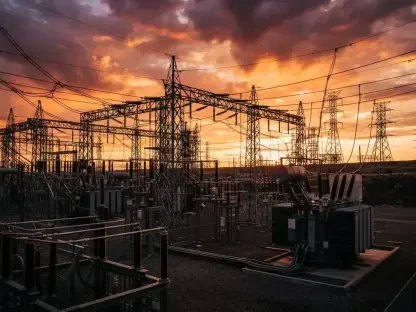
Market dynamics show that even when bulk prices decrease, the fixed costs of maintaining an aging grid and the premiums paid for emergency power during peak hours remain high. Utilities often lock in prices through long-term contracts that do not immediately reflect the current wholesale decline. This means that while the market is technically seeing a “sale” on electricity, the retail structure keeps consumer prices anchored to older, more expensive rates and rising transmission fees.
Market Dynamics: Factors Driving the Current Decline in Wholesale Electricity Costs
The wholesale market is currently experiencing a significant reprieve, with the U.S. Energy Information Administration forecasting an 8% drop in average generation costs to $45 per megawatt-hour. This downward trend is largely fueled by a stabilization in natural gas prices and a robust increase in renewable energy production across the national grid. For the companies generating power, the cost of doing business has become leaner, creating a statistical surplus that theoretically should benefit every participant in the energy chain.
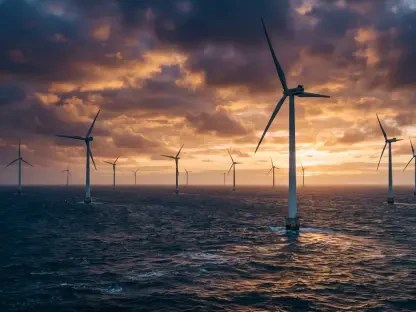
The expansion of solar and wind infrastructure contributed to a more resilient supply side during the early months of the year. As more carbon-neutral sources integrated into regional networks, the reliance on volatile fossil fuel spot markets decreased. This shift provided a buffer for utility companies, yet the savings remained largely trapped within the corporate and industrial levels of the energy industry rather than being passed directly to the residential sector in the form of lower monthly rates.
Regional Differences: A Breakdown of Energy Markets and Household Expenditures
Geographic variations play a critical role in the divergence between wholesale savings and retail costs across the United States. While the Pacific Northwest saw wholesale prices plummet by 46% due to a hydropower surge, and the Midwest benefited from an 18% drop via wind and solar, residential bills told a vastly different story. Nationally, household electricity expenditures were projected to climb by 10.5% this season, with average household costs reaching an estimated $792 for the summer.
This disconnect occurred because the sheer volume of energy required to combat rising temperatures consistently outpaced the per-unit savings found in the wholesale sector. Even in regions where power was cheaper to produce, residents were forced to run cooling systems for longer durations and at higher intensities. This increased consumption essentially neutralized any benefit from lower generation costs, resulting in higher total outflows for the average American family struggling to stay cool.
Expert Insights: The Rising Financial Burden of Cooling
Energy advocates and analysts have been sounding the alarm on the “new normal” for American utility debt and affordability. Mark Wolfe, Executive Director of the National Energy and Utility Affordability Coalition, noted that summer cooling costs have surged nearly 40% since the beginning of the decade. This financial strain was further exacerbated by grid volatility; during peak heatwaves, spot prices in markets like Virginia spiked to $600 per megawatt-hour, reflecting the extreme pressure on the system.
These fluctuations forced utilities to adopt expensive demand-response strategies to ensure grid stability and prevent widespread failures. When the demand for electricity peaked during the hottest hours of the day, the cost of maintaining the flow of power became astronomical. These hidden operational costs eventually trickled down to the consumer despite the lower seasonal averages reported in the wholesale market, creating a persistent financial burden for low-income households.
Financial Resilience: Strategies for Consumers to Mitigate Rising Cooling Costs
To combat the rising cost of staying cool, households looked beyond market trends and focused on internal efficiency and available relief programs. Residents lowered their financial exposure by utilizing programmable thermostats to reduce the load during peak demand hours, typically between 4:00 PM and 9:00 PM. This tactical shift in consumption allowed many to avoid the highest rate tiers while maintaining a reasonable level of comfort during the most expensive parts of the day.
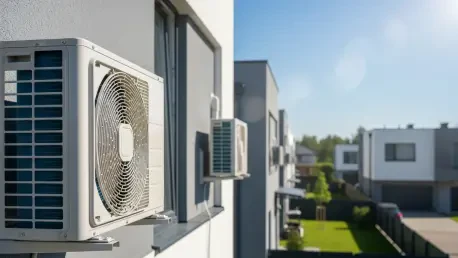
Additionally, families facing significant hardship explored the Low Income Home Energy Assistance Program (LIHEAP) and utility-sponsored weatherization grants to improve their housing efficiency. Taking proactive steps to seal air leaks and optimize HVAC performance remained the most effective defense against a market that was increasingly influenced by extreme weather rather than fuel prices. These combined efforts offered a pathway toward financial stability in an era of unpredictable utility pricing and record-breaking temperatures.