
The financial reality of Snowy 2.0 has evolved from a bargain infrastructure upgrade into one of the most expensive and scrutinized engineering undertakings in modern Australian history. What began as a strategic expansion of the original Snowy Mountains Hydroelectric Scheme has transformed into a massive national endeavor to create a “water battery” capable of stabilizing the energy grid. This project is now the centerpiece of Australia’s transition toward a carbon-neutral future, designed to mitigate the inherent variability of solar and wind power. Despite the significant political and social debates surrounding its implementation, the initiative represents a fundamental shift in how the nation manages its natural resources for energy security. By linking two existing reservoirs through a series of underground tunnels and a new power station, the project seeks to provide a deep storage solution that chemical batteries cannot yet replicate on a continental scale.
Financial Discrepancies: Navigating Construction Challenges
The economic narrative of the Snowy 2.0 expansion is one defined by a stark contrast between initial expectations and current physical realities. When first proposed, the venture was marketed to the public as a manageable A$2 billion project with a relatively quick turnaround. However, the complexity of drilling through the Great Dividing Range has shattered those early financial models. In the current landscape, updated projections place the total expenditure between A$22 billion and A$25 billion, with full operational capacity expected later this decade. These escalations are attributed to a combination of unforeseen geological obstructions—most notably the difficulties faced by the tunnel boring machines—and the inflationary pressures that have surged across the global construction sector. While the capital requirements are immense, the project is now 80% complete, making its abandonment nearly impossible from a fiscal and strategic standpoint.
To understand the true economic weight of this investment, proponents suggest looking beyond the immediate sticker shock to the projected 150-year operational lifespan of the facility. When the A$22 billion cost is amortized over a century and a half, the annual financial burden on the Australian public appears far more sustainable, equating to approximately five dollars per citizen per year. This long-form accounting places the project in the same category as landmark infrastructure like the Sydney Harbour Bridge, which faced similar skepticism during its construction but became an indispensable national asset. Furthermore, the majority of the current spending is concentrated on durable civil works—tunnels and caverns carved into solid rock—that will not require the frequent and costly replacements associated with alternative energy storage technologies. This perspective shifts the conversation from a story of budget failure to one of multi-generational infrastructure development.
Storage Mechanics: Pumped Hydro Versus Chemical Batteries
The technical necessity of Snowy 2.0 is rooted in the accelerating transformation of the National Electricity Market as coal-fired assets are phased out in favor of renewables. Australia is currently pursuing a federal mandate to reach 82% renewable energy by 2030, a goal that requires a massive influx of wind and solar capacity. While these sources provide cheap and clean electricity during peak production times, they are fundamentally intermittent. A significant portion of the country’s energy demand occurs during the evening and overnight hours, precisely when solar output drops to zero. This creates a critical “overnight gap” that must be bridged to ensure industrial and residential stability. Historically, base-load coal provided this consistency, but as these aging plants reach the end of their lives, the grid requires a mechanism to store surplus daytime energy and discharge it precisely when it is needed most to prevent catastrophic blackouts.
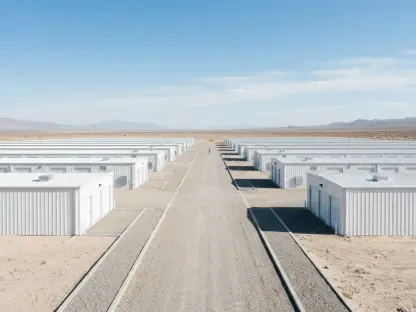
From a broader resource perspective, the economic advantages of pumped hydro become clearer when scaled to the massive proportions required for national stability. To construct a battery array with the same energy capacity as the Snowy 2.0 project would likely cost three times as much as the current hydro budget, and those batteries would need complete replacement every two decades. Pumped hydro, conversely, relies on basic mechanical components and local water resources, significantly reducing the reliance on imported minerals like lithium and cobalt. This makes it a more sovereign and sustainable solution for Australia, shielding the energy sector from the volatility of global mineral supply chains. Furthermore, the physical footprint of a hydro facility, while large, provides a concentrated source of power that utilizes existing waterways and landscape features, offering a different environmental trade-off compared to the massive manufacturing and disposal cycles of batteries.
Future Directions: Integrating Storage Into the National Grid
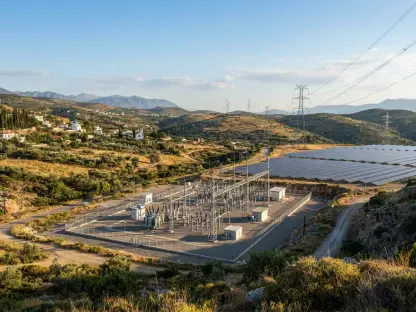
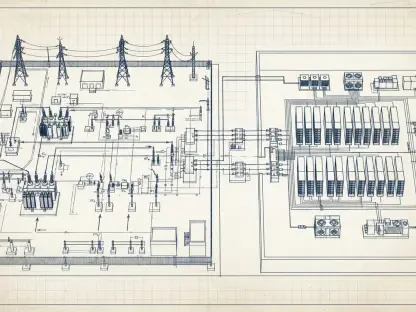
Moving forward, the focus must shift toward optimizing the transmission infrastructure that connects these massive storage assets to the population centers where energy is consumed. Ensuring that the high-voltage lines are robust enough to handle the bi-directional flow of power between reservoirs and the coast will be the next major hurdle for energy planners. Furthermore, the integration of artificial intelligence into grid management systems will allow for more precise forecasting of when to pump and when to generate, maximizing the efficiency of every drop of water used. Policymakers should also consider diversifying the storage portfolio by encouraging shorter-duration “firming” projects alongside Snowy 2.0 to create a multi-layered defense against grid instability. By prioritizing a hybrid approach that combines the deep storage of hydro with the rapid response of batteries, Australia can establish a model for other nations attempting to decarbonize their heavy industry.
The realization of this project demonstrated that the path to a cleaner future required a tolerance for monumental engineering risks and a commitment to long-term national utility over short-term fiscal convenience. As the facility reached its operational milestones, it provided a stable foundation that allowed for the final decommissioning of the nation’s remaining coal fleet without compromising industrial productivity. The lessons learned during the era of construction fostered a new generation of skilled workers and refined the technical standards for all subsequent large-scale renewable projects. Ultimately, the strategic value of the “water battery” became the cornerstone of a decentralized energy economy that prioritized domestic reliability and environmental stewardship. By successfully navigating the complexities of the Great Dividing Range, the initiative proved that massive infrastructure could bridge the gap between historical energy paradigms and a sustainable future.