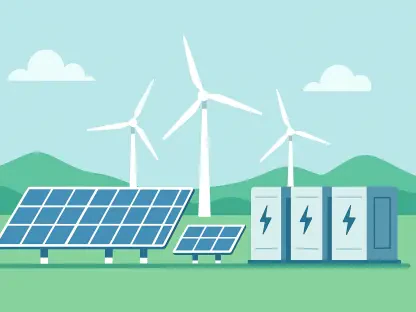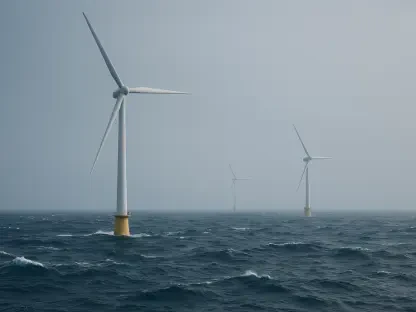

Across the rolling prairies of South Dakota, the horizon is no longer defined just by the rising sun but by the rhythmic rotation of massive turbine blades that signal a profound shift in the regional economy. This transition has evolved from a niche environmental project into a cornerstone of the state’s financial stability, fundamentally altering the way local residents view their career paths and educational opportunities. As traditional industries face volatility, the renewable sector offers a steady anchor, providing not only electricity but also a revitalization of small-town communities that were once in decline. This boom is not merely a result of favorable weather patterns; it is the outcome of a deliberate and aggressive strategy to align the state’s human capital with the technical requirements of a modern power grid. By integrating vocational training with corporate needs, South Dakota has created a blueprint for how a rural economy can thrive in the face of national energy shifts, ensuring that its workforce remains as resilient as its landscape.
Strengthening the Labor Pipeline
Vocational Synergy: Training the Next Generation
Technical colleges like Mitchell Technical College and Lake Area Technical College stand at the forefront of this industrial evolution, tailoring their curricula to meet the precise demands of the energy market in real time. Faculty members collaborate closely with private industry leaders to ensure that students are learning on the exact hardware and software systems they will encounter in the field. This collaboration has led to the implementation of streamlined, one-year degree tracks designed to move qualified technicians into the workforce with maximum efficiency. These programs focus heavily on hands-on experience, including the maintenance of complex gearboxes and the diagnostic testing of electronic control systems. By prioritizing practical skill acquisition over traditional academic filler, these institutions have successfully addressed the urgent need for a specialized labor force that can keep pace with the rapid installation of new wind farms across the western plains.
Financial barriers to entry have been significantly reduced through targeted support systems like the Build Dakota Scholarship, which covers full tuition for students committed to working in high-demand fields. This initiative allows graduates to enter the energy sector entirely debt-free, a factor that has made technical education far more attractive than conventional four-year university degrees for many South Dakotans. Beyond tuition, the state provides additional grants for equipment and relocation, ensuring that geographic isolation does not prevent talented individuals from accessing top-tier training. The result is a highly motivated pool of workers who are ready for immediate employment upon graduation, often with multiple job offers already in hand. This robust financial backing reinforces the state’s commitment to self-sufficiency, as it cultivates a homegrown workforce capable of maintaining the infrastructure that powers both the local economy and the broader national electrical grid.
Early Engagement: Building the Talent Reservoir
To ensure a steady supply of talent for the coming years, recruitment efforts now begin long before students even consider their college applications. Energy companies and educational recruiters are actively engaging with elementary and middle school students to build early awareness of the benefits of trade careers. Through interactive workshops and field trips to local turbine sites, young people are introduced to the physics and mechanics of renewable energy in a way that sparks lasting interest. This long-term branding strategy aims to de-stigmatize vocational paths, presenting them as high-tech, prestigious opportunities rather than secondary options to academic tracks. By fostering this early curiosity, the state is effectively planting the seeds for a sustainable labor market that will not rely on out-of-state recruiting to fill critical technical roles in the future, thus keeping economic gains within the local community.
Academic integration also extends to high school environments where dual-enrollment programs allow students to earn professional credentials alongside their high school diplomas. These specialized pathways enable teenagers to begin their technical journey early, often completing a significant portion of their collegiate requirements before they even graduate from secondary school. Such programs significantly shorten the timeline between general education and professional employment, providing a fast track for those eager to begin their careers. Moreover, these initiatives provide a sense of direction for students who might otherwise struggle to see the practical application of their studies. By bridging the gap between high school and the industrial world, South Dakota has created a seamless transition that benefits both the youth looking for stable futures and the corporations looking for a reliable, energetic influx of new technicians to support their growing operations.
Economic Rewards and Industrial Expansion
Financial Incentives: High Wages and Career Growth
The wind energy sector offers some of the most lucrative opportunities in the state for those opting for technical training, with starting salaries that rival or exceed many management positions. Entry-level technicians often command salaries ranging from $65,000 to $80,000, and with overtime and performance incentives, many find themselves earning nearly six figures within their first few years of service. This financial mobility is a major draw for military veterans and individuals looking to transition from lower-paying service industries into stable, long-term careers. Companies also offer comprehensive benefit packages, including signing bonuses and relocation assistance, to attract the best talent in a highly competitive environment. This aggressive compensation structure ensures that the industry remains an aspirational choice for workers across the region, driving up the standard of living in many rural counties.
Beyond the initial paycheck, the industry provides significant room for professional growth and long-term career variety for those who demonstrate technical mastery. Many workers begin in field roles that require traveling across the country to maintain diverse fleets of turbines, gaining invaluable experience in various regional climates and grid conditions. Over time, these professionals often transition into leadership positions, project management, or even instructional roles within the same technical colleges where they were first trained. This flexibility is a key selling point for a generation of workers who value career longevity and the ability to pivot between different operational focuses. As companies continue to compete for a limited pool of skilled experts, the value placed on technical proficiency continues to rise, creating a virtuous cycle of high performance and high rewards that benefits the entire state economy.
Infrastructure Development: Overcoming Grid Saturation
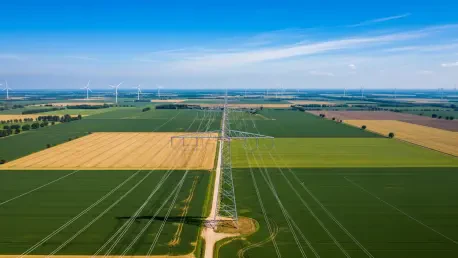
South Dakota’s role in the national energy landscape is further bolstered by large-scale manufacturing facilities that produce the massive towers and components necessary for wind infrastructure. Facilities like Marmen Energy employ hundreds of local workers, reinforcing the state’s position as an industrial powerhouse for renewable hardware. Currently, wind and hydroelectric power account for nearly 77% of the state’s total electricity generation, a statistic that reflects a decade of focused investment and construction. However, this success has led to a critical juncture where the physical capacity of the electrical grid has reached a saturation point. The current absence of high-voltage transmission lines has created a temporary plateau in the development of new turbine sites, as the existing infrastructure cannot effectively move more power to the high-demand urban centers located hundreds of miles away in neighboring states.
The path forward for the state involved a massive regional investment estimated at $37 billion to modernize the grid and install the necessary transmission infrastructure over the next decade. Stakeholders successfully identified that without these physical pathways, the economic potential of the state’s abundant wind resources would remain underutilized. State planners and private investors focused on securing the necessary permits and land-use agreements to facilitate this expansion, recognizing that the future of the energy sector depended on connectivity. By addressing these logistical hurdles with the same intensity applied to workforce development, leaders ensured that the state remained a leader in the energy transition. These strategic actions proved that while the construction of turbines was essential, the long-term viability of the industry rested on a sophisticated grid that could export South Dakota’s renewable bounty to the rest of the nation.