
The global energy landscape is currently witnessing a dramatic resurgence of market volatility within the renewable fuel sector, a phenomenon frequently characterized by industry veterans as the return of RINsanity. This specific term highlights the aggressive price spikes associated with Renewable Identification Number credits, particularly those linked to biomass-based diesel, which serves as the backbone for meeting federal environmental targets. As the market enters this third wave of instability, the underlying causes appear more entrenched than previous iterations, rooted in a misalignment between aggressive government mandates and the actual physical capacity of the production infrastructure. These credits, which were designed to track compliance and incentivize production, have instead become a focal point of financial speculation and industrial anxiety. With global conflicts persisting and supply chains remaining fragile, the pressure on the domestic biofuel market has reached a critical threshold that threatens to disrupt broader economic stability across the transportation sector.
The Financial Foundation: Why Incentives Rule the Market
Biomass-based diesel production remains a capital-intensive endeavor that frequently costs more than twice the amount of traditional petroleum-based crude oil equivalents. Because there is no organic consumer demand for a product that carries such a significant price premium, the entire industry structure rests upon a delicate stack of government-orchestrated financial incentives. These include federal blenders tax credits, state-level carbon programs like the Low Carbon Fuel Standard in California, and the intrinsic value of RIN credits, which function as the primary mechanism to bridge the gap between production costs and market viability. Without these interventions, the economic argument for green fuel would evaporate, leaving producers unable to compete with the established scale of the fossil fuel industry. This dependency creates a market where regulatory changes have an immediate and often disproportionate impact on the day-to-day operations of every refinery across the nation.
Historical Precedents: Lessons From Past Volatility Waves
Reflecting on the evolution of this market reveals that the current instability was preceded by two distinct periods of extreme price fluctuations that permanently altered investor confidence. The initial spike in credit prices occurred when the industry was in its infancy and lacked the necessary logistical infrastructure to meet the early mandates set by the Environmental Protection Agency. This was followed by a second, even more severe wave of volatility triggered by the global pandemic and the onset of significant geopolitical conflicts, which disrupted feedstock availability and global shipping routes. These historical events decoupled biofuel pricing from traditional energy benchmarks, creating a precedent for the regulatory whiplash currently experienced by market participants. Understanding these past cycles is essential for interpreting how the present situation has evolved into a full-scale supply crisis that defies simple solutions or quick fixes by federal regulators.
Industrial Expansion: The Boom and Subsequent Market Crash
During the latter half of the previous decade, high credit prices incentivized a massive investment boom that saw American biofuel production capacity nearly triple in a relatively short timeframe. This rapid expansion was fueled by the belief that government mandates would continue to climb aggressively, providing a guaranteed market for every gallon of renewable fuel produced. However, this optimism eventually collided with reality when production volumes began to exceed the absorption capacity of regional markets, leading to a sudden and catastrophic collapse in credit values. In response to this glut, the federal government lowered its volume requirements, a move that sent shockwaves through the industry and forced many producers to shutter their facilities or cancel planned expansions. This contraction left the domestic industry with a significantly diminished footprint, making it ill-prepared for the sudden surge in demand that has characterized the market from 2026 to 2028.
Rebuilding Capacity: Challenges in Restarting Idled Facilities
The emergence of the current supply gap is a direct consequence of the industry’s inability to rapidly re-establish production levels that were lost during the recent period of contraction. While federal authorities have now reinstated more aggressive volume goals, the physical act of restarting an idled manufacturing facility involves far more than simply turning on the power. Producers must contend with the significant challenges of rehiring specialized labor, securing long-term contracts for raw feedstocks such as soybean oil or used cooking oil, and performing critical maintenance on machinery that may have degraded during periods of inactivity. This creates a substantial time lag between the issuance of a new mandate and the arrival of finished fuel at the pump, during which time credit prices continue to soar. This structural delay has become a primary driver of the current market anxiety, as the demand for compliance credits far exceeds the available supply of physical fuel.
Global Trade Dynamics: The Competition for Low Carbon Fuels
Modern regulatory environments are increasingly characterized by overlapping international mandates that have turned the search for sustainable fuel into a global competition for resources. For instance, the implementation of stringent sustainable aviation fuel requirements in the European market has begun to draw significant volumes of American-produced renewable diesel toward overseas buyers. This export pull is driven by higher profit margins available in international markets, effectively depleting the domestic supply and putting further upward pressure on local credit prices. At the same time, new domestic tax policy shifts have introduced stricter requirements regarding the origin of raw materials, limiting the use of imported feedstocks that many producers previously relied upon. These combined factors have created a tug-of-war for resources, where domestic refiners must now compete with international airlines and foreign governments for the same limited pool of feedstocks.
Corporate Integration: Securing the Future of Feedstock Supply
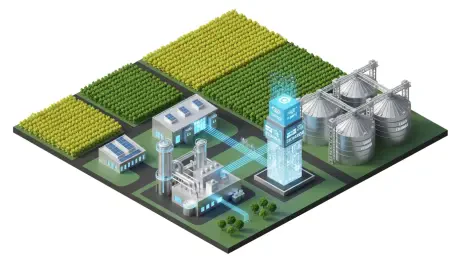
Industry leaders recognized that the period from 2026 to 2028 demanded a fundamental shift in how fuel providers approached supply chain security and regulatory compliance. The volatility of the credit market demonstrated that relying solely on spot-market purchases for feedstocks was no longer a viable strategy for maintaining profitability in an era of high RIN prices. Consequently, several major energy firms moved toward vertical integration, acquiring agricultural processing facilities to ensure a steady stream of raw materials regardless of global market fluctuations. This transition prioritized long-term operational resilience over short-term financial gains, allowing these companies to maintain steady production levels even as their competitors struggled with shortages. These proactive steps provided a blueprint for how the industry could potentially decouple itself from the most extreme cycles of RINsanity by building more robust and self-contained ecosystems for renewable fuel manufacturing.
Regulatory Evolution: Balancing Mandates With Industrial Reality
Regulators also observed that achieving long-term climate goals required a more nuanced approach to mandate setting that accounted for the physical realities of industrial lead times. The tension between ambitious environmental targets and the actual capacity of refineries highlighted the need for more flexible compliance mechanisms that could provide relief during periods of extreme price spikes. By incorporating transparent triggers for volume adjustments and encouraging the development of next-generation feedstocks, authorities aimed to reduce the boom-and-bust cycles that had historically plagued the sector. Investors were encouraged to focus on diversifying their technological portfolios, incorporating hydrogen and carbon capture to complement traditional biomass-based diesel production. These strategic considerations suggested that the path forward involved a combination of corporate foresight and regulatory pragmatism, ensuring that the transition to a low-carbon economy remained both economically sustainable.