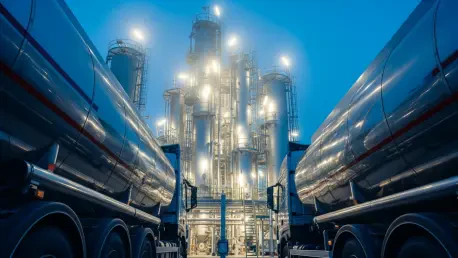

Global energy markets are currently witnessing a dramatic shift as major industrial players accelerate their transition toward sustainable alternatives to traditional petroleum products while balancing the immediate needs of global transportation networks. Spain has emerged as a central hub for this transformation, leveraging its existing industrial base to pioneer large-scale biofuel production. Repsol’s latest facility represents a massive leap forward in the domestic capacity for renewable diesel and sustainable aviation fuel. By repurposing traditional refining knowledge, the company is bridging the gap between historical reliance on crude oil and a future defined by circularity. This second major plant underscores a commitment to providing immediate decarbonization solutions that do not require overhauling existing vehicle engines or fuel distribution systems. It signifies a mature phase in the Spanish energy strategy, moving from experimental pilots to heavy-duty industrial output that serves both local and international markets efficiently.
Advanced Manufacturing: Scaling Circular Production
The facility employs hydrotreatment technology to convert organic wastes into high-quality renewable fuels that are chemically identical to their fossil counterparts. This process ensures that the resulting product, often referred to as Hydrotreated Vegetable Oil, can be used in any diesel engine without modification. Unlike first-generation biofuels, which often competed with food crops, this plant focuses strictly on second-generation feedstocks derived from agricultural residues and used cooking oils. The sophisticated refining process removes oxygen and impurities, resulting in a stable fuel with high energy density and excellent cold-weather performance. By integrating these advanced chemical processes, the plant achieves a significant reduction in lifecycle carbon emissions compared to traditional refining. This technological sophistication allows the facility to maintain high efficiency even when processing a wide variety of raw materials in a fluctuating global market for organic feedstocks.
Operational efficiency at this site is further enhanced by a digital-twin system that monitors the entire production cycle in real-time to optimize energy consumption. By utilizing sensors and artificial intelligence, engineers can predict maintenance needs and adjust the hydrotreating parameters to suit the specific chemical composition of the incoming waste. This level of precision is necessary to ensure the final product meets the stringent quality standards required for the aviation and heavy-road transport sectors. Moreover, the facility incorporates its own hydrogen production unit, which is increasingly powered by renewable electricity to further lower the carbon footprint of the fuel. This integrated approach demonstrates how traditional energy companies are evolving into multi-energy providers. The plant is not merely a production site but a complex ecosystem that manages resource recovery and high-value chemical engineering while supporting energy independence goals for the region throughout this decade.
Market Integration: Strategic Impact and Future Pathways
The strategic placement of this second plant ensures seamless integration into Spain’s existing logistics network, allowing for rapid distribution across the Iberian Peninsula. Because the renewable fuel produced here is a drop-in solution, it utilizes the same pipelines, storage tanks, and tanker trucks that have serviced the industry for decades. This compatibility avoids the massive capital expenditures typically associated with new energy infrastructure like hydrogen charging stations or electric grid upgrades. For logistics companies and heavy-duty fleet operators, this represents a practical pathway to meeting immediate emissions targets without replacing their current vehicle assets. The plant’s output is expected to serve as a cornerstone for the decarbonization of long-haul trucking, which remains one of the most challenging sectors to electrify. By providing a reliable and large-scale supply of renewable diesel, the facility is enabling these industries to lower their environmental impact starting right now.
The successful launch of this second major plant provided a clear blueprint for the future of industrial-scale decarbonization across the energy sector. It demonstrated that repurposing existing industrial knowledge and infrastructure was a more efficient path than starting from scratch. Stakeholders should have prioritized the diversification of feedstock sources to ensure long-term stability against supply chain disruptions. Moving forward, the focus needed to shift toward the development of third-generation fuels derived from algae or carbon capture technologies. Policymakers and industry leaders were encouraged to maintain a consistent regulatory framework that incentivized investment in circular economy models. By securing a reliable supply of renewable fuels, the region strengthened its energy security while making tangible progress toward climate targets. The integration of these fuels into the global supply chain was not merely a technical achievement but a strategic necessity for the era.