
The extreme heat wave of early July 2026 pushed New York City’s electrical infrastructure to its absolute breaking point, testing the resilience of a grid that is currently undergoing its most significant transformation in over half a century. While residents cranked up air conditioning units to combat soaring temperatures, a silent revolution was occurring beneath the surface of the Hudson River, where the Champlain Hudson Power Express (CHPE) was delivering its first major surge of renewable energy. This project represents more than just a physical cable; it is the culmination of years of diplomatic and engineering efforts to connect the vast renewable resources of the Canadian wilderness directly to the heart of Manhattan. As the state navigates the complexities of decarbonization, the arrival of this power signals a fundamental shift in how urban centers must rethink their energy borders to survive an increasingly volatile climate. This transition highlights the necessity of large-scale infrastructure in achieving long-term net-zero goals.
New York’s Record-Breaking Energy Milestone
The July 2026 energy surge represents a transformative moment in the history of the New York power grid, marking the first time that international imports have played such a decisive role in maintaining metropolitan stability. As the New York Independent System Operator monitored real-time load data, the contribution of external power sources became the primary focus for engineers tasked with preventing rolling blackouts during the peak of the summer humidity. This reliance on cross-border transmission was the result of strategic long-term planning aimed at diversifying the state’s energy portfolio and reducing its vulnerability to local supply constraints. By establishing a robust link to the massive hydroelectric resources of the north, New York has effectively expanded its virtual energy boundaries, creating a buffer that protects the economy from the volatile price spikes and physical shortages that often characterize extreme weather events. This shift in operational strategy has redefined the relationship between local utility providers and their international counterparts.
Leveraging International Resources During Climate Stress
On July 3, 2026, the New York electrical grid achieved a historic milestone by importing a total of 52 gigawatt-hours of electricity from Canadian sources, setting a new benchmark for international energy cooperation. This unprecedented influx of power arrived at a critical juncture when the local generation fleet was struggling to keep pace with the surge in demand caused by a persistent and intense regional heat wave. The ability to pull such a massive volume of energy across the border was not merely a matter of convenience but a tactical necessity that underscored the growing interdependence between New York and its northern neighbors. By successfully integrating these imports into the daily load profile, the state demonstrated that high-voltage transmission is a viable solution for managing the inherent variability of local renewable sources while maintaining a steady supply for millions of residential and commercial consumers who depend on uninterrupted service during peak hours of high demand.
Operational Stability Amidst Rising Temperatures
Much of this stability was provided through the coordinated efforts of Hydro-Québec and several key operators in Ontario, whose contributions accounted for nearly nine percent of the total electricity consumed across the state on that record-breaking day. The operational pressure on the New York Independent System Operator reached historic levels during the July heat wave as peak hourly loads threatened to exceed the established safety margins of the state’s transmission lines. When ambient temperatures rise, the efficiency of traditional power plants often decreases, and the physical resistance in electrical lines increases, creating a compounding effect that challenges even the most sophisticated grid management software. The timely availability of the CHPE line provided a much-needed pressure valve, allowing the system operator to bypass many of the traditional bottlenecks associated with transporting power from upstate fossil fuel plants to the energy-hungry downstate region during this period of extreme stress.
Infrastructure Evolution and Clean Energy Goals
Modernizing the transmission infrastructure of the Northeast has become the cornerstone of a broader strategy to transition away from carbon-intensive energy production while ensuring that the grid remains capable of meeting future demand. Projects like the Champlain Hudson Power Express are no longer viewed as optional supplements but as essential conduits for the delivery of clean energy to the most densely populated areas of the United States. The engineering challenges associated with building a high-capacity link through some of the most strictly regulated waterways and landscapes in the world required a level of innovation that has set a new standard for the industry. By focusing on submarine and underground deployment, developers have demonstrated that it is possible to modernize the energy network without sacrificing the environmental and cultural heritage of the regions through which these lines pass. This focus on low-impact development is crucial for gaining public trust and securing regulatory approvals for future large-scale projects.
The Impact of High-Voltage Transmission Projects
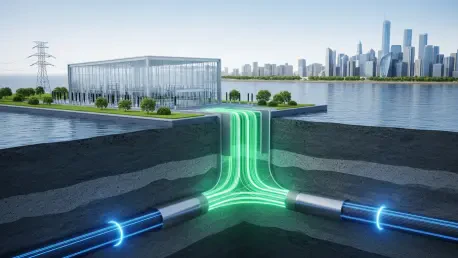
The completion of the Champlain Hudson Power Express represents a landmark achievement in high-voltage direct current technology, allowing for the transmission of large amounts of electricity over long distances with minimal energy loss. Unlike traditional alternating current lines, HVDC systems are specifically designed to move power through specialized cables that can be buried underground or submerged in waterways, significantly reducing the visual and environmental impact on local communities. In the case of the CHPE line, the path through Lake Champlain and the Hudson River allowed engineers to circumvent the difficult land-use negotiations that often stall terrestrial transmission projects for decades. This submarine and subterranean approach not only protected the scenic beauty of the Hudson Valley but also shielded the infrastructure from the physical threats of severe storms and high winds. The successful operation of this line proves that major infrastructure can be built in sensitive areas when technology and environmental stewardship are properly aligned.
Future Considerations for Interstate Power Sharing
From an economic standpoint, the integration of high-capacity transmission lines like CHPE facilitates a more competitive energy market by allowing cheaper renewable power to displace more expensive and volatile fossil fuel generation. The initial capital investment for these projects is substantial, yet the long-term savings in fuel costs and the mitigation of climate-related damages provide a compelling financial justification for their construction. Furthermore, the presence of reliable HVDC links provides a foundation for future renewable energy developments, such as offshore wind farms, which can eventually utilize similar technology to bring power to the mainland. The record-breaking performance of the New York grid this summer has validated the massive public and private investments made into the state’s energy corridor, demonstrating that the modernization of the transmission network is a prerequisite for any meaningful transition to a green economy. These projects are now being viewed as the essential backbone of a resilient and sustainable power architecture.
Strategic Next Steps for Grid Resilience
The unprecedented energy import levels achieved during the peak of the 2026 summer heat wave established a clear roadmap for how high-density urban areas managed the transition toward a cleaner power sector. Decision-makers prioritized regional cooperation and advanced transmission technology over local fossil fuel redundancy to ensure grid stability when it mattered most. The successful management of the electrical system during this period demonstrated that the risks associated with infrastructure modernization were far outweighed by the benefits of enhanced reliability and reduced carbon emissions. Moving forward, it became essential for legislative bodies to accelerate the approval of supplemental high-voltage projects to prevent future bottlenecks as regional demand continued to scale upward. State agencies and private developers also worked to refine the integration of these international power sources, ensuring that future weather events were met with even greater resilience. This experience confirmed that a decentralized and interconnected approach was the only viable solution for urban energy security.