
Christopher Hailstone is a seasoned authority in energy management and electricity delivery, known for his deep understanding of how to balance grid reliability with the transition to sustainable power. As a utilities expert, he has spent years navigating the complexities of renewable integration and energy security, making him a primary voice in the discussion surrounding Brazil’s latest technological breakthrough. In this conversation, we explore the landmark initiative at the Suape II Power Plant, where for the first time, large-scale electricity generation is being tested using sugarcane ethanol. This shift from transportation to the power grid could redefine Brazil’s energy landscape and offer a blueprint for dispatchable, low-emission power worldwide. We delve into the operational challenges of this new technology, the strategic advantages of Brazil’s existing infrastructure, and how this project could solve the intermittency issues inherent in wind and solar power.
Brazil has utilized sugarcane ethanol for transportation for decades. How does the Wärtsilä project fundamentally shift the role of this fuel within the country’s energy landscape?
For years, the hum of ethanol-powered cars has been a staple of Brazilian streets, but the Suape II Power Plant project represents a massive leap into utility-scale territory. By modifying a Wärtsilä 32M engine to run almost entirely on this biofuel, we are finally looking at ethanol as a heavy-hitter for the national grid rather than just a fuel for the morning commute. It is about taking a resource that has been largely untapped for electricity and proving it can handle the intense, high-load demands of a power station. This shift could transform ethanol from a specialized transport liquid into a cornerstone of energy security for the entire nation. We are seeing a shift where the agricultural sector directly fuels the industrial heartbeat of the country, creating a more circular and resilient energy economy.
What makes the current operational testing phase at the Suape II Power Plant so critical for the future of global power generation?
This phase is the “make or break” moment where we move out of controlled laboratory environments and into the grit of real-world operations. Engineers are meticulously measuring performance, reliability, and operating costs over the coming years to see if this technology can actually survive the rigors of 24/7 power delivery. It is a high-stakes environment because the success of these tests determines if ethanol is economically viable compared to traditional fossil fuels in a utility setting. If the Wärtsilä 32M proves it can maintain low emissions while keeping the lights on, it sets a global precedent for other nations watching Brazil’s lead. These tests will provide the hard data needed to convince investors and grid operators that biofuel engines are a mature, dependable solution for modern energy needs.
How does ethanol-powered generation address the specific reliability challenges that come with an increasing reliance on wind and solar energy?
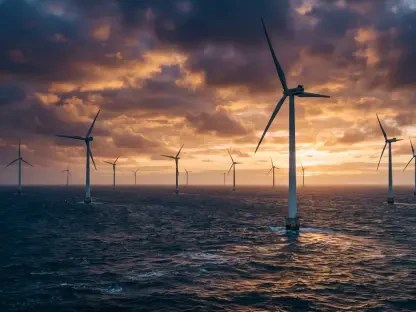
The beauty of ethanol in this context is its “dispatchability,” which is a vital safety net for any modern power system. Unlike solar panels that go dark at sunset or wind turbines that stand still on a calm day, an ethanol engine provides power regardless of what the weather is doing. This allows grid operators to ramp up electricity production the moment demand increases or when renewable sources dip. It bridges the gap between clean energy goals and the harsh reality of needing constant, stable power to keep a modern society running. By integrating these engines, we can strengthen the grid’s reliability while still supporting the overall effort to lower carbon emissions across the power sector.
Beyond the technical aspects, what advantages does Brazil’s existing infrastructure provide for scaling this ethanol-to-electricity model?
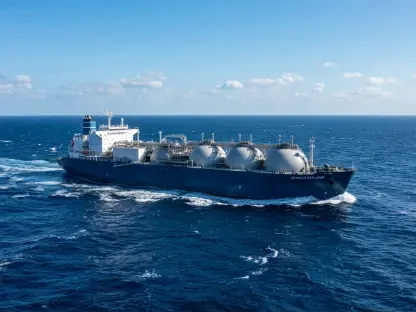
Brazil has a massive head start because it is already the world’s largest producer and consumer of sugarcane ethanol, meaning the pipes, tanks, and trucks are already in place. We don’t have to build a multi-billion-dollar supply chain from scratch; we are simply rerouting a portion of that existing flow toward power generation. This reduces the logistical headaches and massive capital expenditures that usually kill new energy projects before they even start. Furthermore, using existing infrastructure for storage and transport means we can integrate this into engine-based systems with much more agility than other experimental fuels. It provides a powerful new market for one of the country’s most important agricultural commodities while enhancing the nation’s energy independence.
What is your forecast for the integration of biofuels like ethanol into global power grids over the next decade?
I expect that if the Pernambuco project continues its successful trajectory, we will see a ripple effect where other biofuel-rich nations begin to replicate this engine-based power model to complement their renewable portfolios. While it is still uncertain if ethanol will become the dominant fuel for every grid, its ability to be stored and transported easily makes it an incredibly attractive backup for intermittent solar and wind arrays. We are likely moving toward a hybrid future where bio-based dispatchable power acts as the backbone for green energy systems. As the world seeks reliable, low-emission energy sources, the lessons learned in Brazil will likely serve as the foundation for a new era of global energy security. It is an exciting time because we are seeing the lines between agriculture and heavy industry blur in a way that could significantly lower the world’s carbon footprint.